A family should not have to become a headline to prove a system was broken. A parent should not have to lose a child before a rule gets rewritten. A worker should not have to die before a locked door becomes a national scandal.
Yet American history is full of moments where ordinary people carried the cost of someone else’s bad decision. They trusted a workplace, a school, a water system, a neighborhood, a government office, or a company to protect them. Too often, that trust was returned with silence, delay, denial, or danger.
That is why stories where American families paid the price still feel so raw. The grief is personal, but the failure is larger than one household. It sits in boardrooms, agencies, policies, inspections, warnings, and decisions that were made far from the people who suffered most.
These tragedies are not just dark chapters. They are reminders that failure becomes real when it reaches a front door, a hospital bed, a funeral home, or an empty chair at dinner.
The Triangle Fire Turned Worker Neglect Into Family Grief

Kheel Center, via Wikimedia Commons licensed under CC BY 2.0,
The Triangle Shirtwaist Factory fire in 1911 killed 146 workers in New York City, many of them young immigrant women trying to earn a living. They were not taking reckless chances. They were working inside a system where unsafe conditions, inadequate exits, and locked doors became fatal when disaster struck. Their families were left with unbearable loss and the knowledge that the workplace had failed people who depended on it.
The tragedy still burns in American memory because it exposed how cruel ordinary business decisions can become when worker safety is treated as an afterthought. The Triangle factory fire helped push reforms, but only after families had already buried daughters, sisters, wives, and mothers. It remains one of the clearest examples of how ignored protections can turn a job into a death sentence.
Tuskegee Families Paid for Medical Betrayal
The Tuskegee untreated syphilis study remains one of the most disturbing medical ethics failures in American history. Black men in Alabama were misled and denied proper treatment for decades while researchers observed the progression of disease. These were not abstract subjects in a file. They were husbands, fathers, sons, and community members whose families carried the consequences.
The damage went far beyond the men directly involved. Families inherited grief, illness, mistrust, and a painful awareness that official institutions had used people instead of protecting them. The case still shapes conversations about medical trust because it showed how devastating science can become when human dignity is pushed aside.
Camp Lejeune Families Trusted Water That Was Not Safe
For decades, families living and working at Camp Lejeune were exposed to contaminated drinking water. Many were military families who believed they were living on a base where basic safety would be handled by those in charge. Instead, contamination stretched across years, and families later connected the exposure to serious health fears, illnesses, and painful unanswered questions.
What makes the Camp Lejeune water story so difficult is the trust involved. Service members and their families already sacrifice in visible ways. They should not have had to worry that the water in their homes could cast a lifelong medical shadow. For many, the betrayal was not only environmental. It was personal.
Love Canal Showed What Happens When Warnings Are Buried

Love Canal in New York became a national symbol of toxic waste, neighborhood fear, and families trapped near dangerous contamination. People bought homes, raised children, and built lives in a place that later became associated with chemical dumping and serious health concerns. The horror was not only the pollution itself. It was the feeling that ordinary families had been placed on top of someone else’s buried problem.
Parents worried about their children, their homes, their health, and whether anyone in power would fully listen. Love Canal changed how Americans thought about environmental safety by showing that danger could be hidden beneath lawns, schools, and quiet streets. Families paid not because they created the hazard, but because they lived where others had failed to act responsibly.
Challenger Families Watched Confidence Turn Into Disaster
The Challenger disaster in 1986 stunned the nation because it happened in full public view. Families, schoolchildren, teachers, engineers, and millions of Americans watched what was supposed to be a proud space mission become a national tragedy. Behind the shock were questions about pressure, warnings, technical concerns, and whether the launch should have happened.
For the astronauts’ families, the loss was not a symbol. It was personal and permanent. The tragedy forced the country to confront how ambition and institutional pressure can overpower caution. When warning signs are minimized inside powerful systems, the people who pay are often the ones who trusted those systems the most.
Katrina Families Were Failed Before and After the Storm
Hurricane Katrina was a natural disaster, but the suffering that followed exposed human failure on a massive scale. Families in New Orleans and across the Gulf Coast faced flooding, displacement, delayed response, broken infrastructure, and the terrifying feeling of being left behind. The storm was powerful, but the disaster became deeper because preparation and response did not protect the most vulnerable people in time.
The Hurricane Katrina disaster remains painful because it revealed how poverty, race, infrastructure, and government response can collide during a crisis. Families lost homes, relatives, neighborhoods, and trust. Many Americans still struggle with the images of people waiting for help in a country that has the resources to do better.
Flint Families Were Told Their Water Was Fine
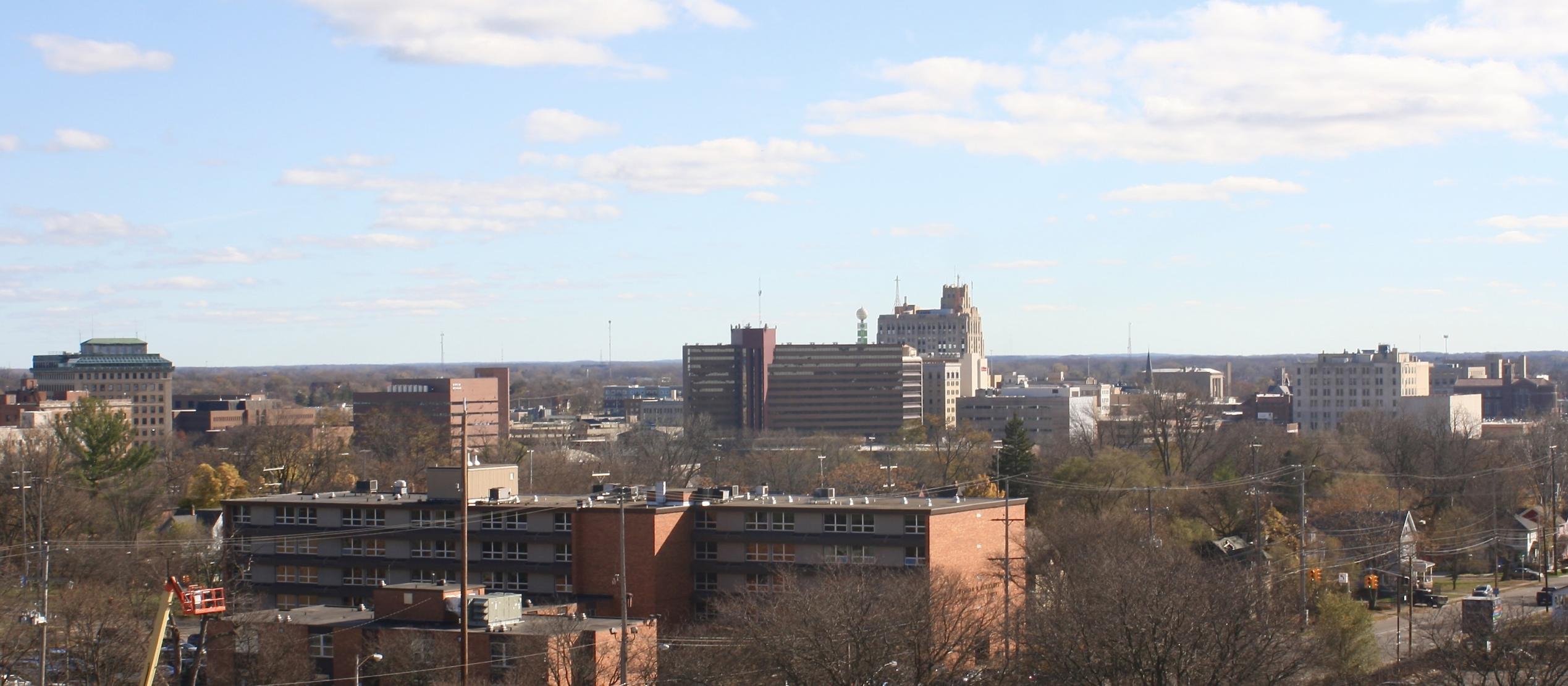
The Flint water crisis became a national outrage because it involved something every family should be able to trust: the water coming from the tap. After a change in water source and treatment failures, residents were exposed to lead and other water quality concerns. Parents were left wondering what the water had done to their children’s bodies and futures.
The Flint lead registry exists because the consequences did not end when cameras left town. Families had to live with medical appointments, anxiety, bottled water, damaged trust, and the feeling that official reassurance had failed them. Few failures feel more intimate than being told a basic household need is safe when it is not.
Uvalde Families Faced an Unbearable Response Failure
The 2022 shooting at Robb Elementary School in Uvalde, Texas, devastated families and shocked the country. Nineteen students and two teachers were killed, and the tragedy became even more painful as investigations examined the law enforcement response. For families, the horror was not only what happened inside the school. It was the agonizing question of why help did not reach the victims sooner.
The federal Uvalde response review described serious failures in leadership, training, communication, and response. Those words cannot carry the full weight of what families lost, but they do explain why the case still feels so unbearable. Parents sent children to school expecting protection, and many were left with grief sharpened by the belief that adults with authority failed at the worst possible moment.
East Palestine Families Were Left Wondering What They Breathed
The 2023 train derailment in East Palestine, Ohio, turned a small community into a national symbol of modern industrial risk. Families saw smoke, evacuations, chemical concerns, dead animals, worried neighbors, and official reassurances that many residents struggled to fully trust. Even where debates continued over long-term effects, the emotional damage was immediate.
People had to ask questions that no family wants to ask. Is the air safe? Is the water safe? Should children play outside? Will home ever feel normal again? The derailment reminded Americans that transportation failures, chemical risks, and corporate decisions can land directly in a family’s backyard.
Key Takeaway
The reason stories feel so haunting is that the victims were often doing ordinary things. They were working, drinking water, sending children to school, living near factories, trusting public systems, or believing that official decisions had been carefully made.
These tragedies show that failure is not always loud at first. Sometimes it begins as ignored warnings, weak oversight, unsafe shortcuts, bad communication, or the belief that nothing terrible will happen. Then families are left to carry the cost.
Remembering these events responsibly means looking beyond tragedy itself. It means asking who knew, who delayed, who ignored the warning, and who was left to pay when the system finally broke.