Faith can feel steady until one sharp question walks into the room and pulls up a chair. Harsh questions atheists often ask do not always come from cruelty, but they can still make believers pause, rethink, and feel a little exposed. These questions sit at the edge of spirituality, doubt, culture, and daily life, and that is where the real tension begins.
In America, faith is often personal, public, political, and deeply emotional all at once. People pray before meals, argue online about religion, attend church after heartbreak, and still wonder why suffering keeps showing up like an unpaid bill. That mix makes spiritual questions feel less like classroom debates and more like conversations at the kitchen table.
Why Does A Loving God Allow Pain

This question hits hard because pain is not abstract. It shows up in hospital rooms, empty chairs, unpaid bills, broken families, and quiet nights when nobody knows what to say. Many atheists ask it because suffering feels difficult to place beside the idea of a loving God.
Believers often respond with ideas about free will, growth, mystery, or a bigger purpose. Still, those answers can feel thin when someone is grieving in real time. Is anyone really ready for a neat spiritual explanation when their world has just cracked open?
This is one of the harsh questions atheists often ask because it touches the most human part of faith. It asks whether belief can survive contact with real sorrow. For many people, the answer arrives slowly, not in a perfect speech.
Why Are There So Many Religions
The world is full of sacred books, rituals, prophets, prayers, and holy places. Atheists often ask why one faith should be accepted as true when many traditions make strong claims. That question can make religion feel less certain and more tangled.
For believers, faith often starts with family, culture, community, or personal experience. Someone may feel deeply connected to the religion that shaped their childhood. Yet another person across the world may feel the same certainty about a different path.
This question pushes people to examine why they believe what they believe. It does not always destroy faith, but it can make simple answers feel less simple. FYI, spiritual confidence gets awkward fast when everyone at the table claims the final map.
Why Would God Need Worship
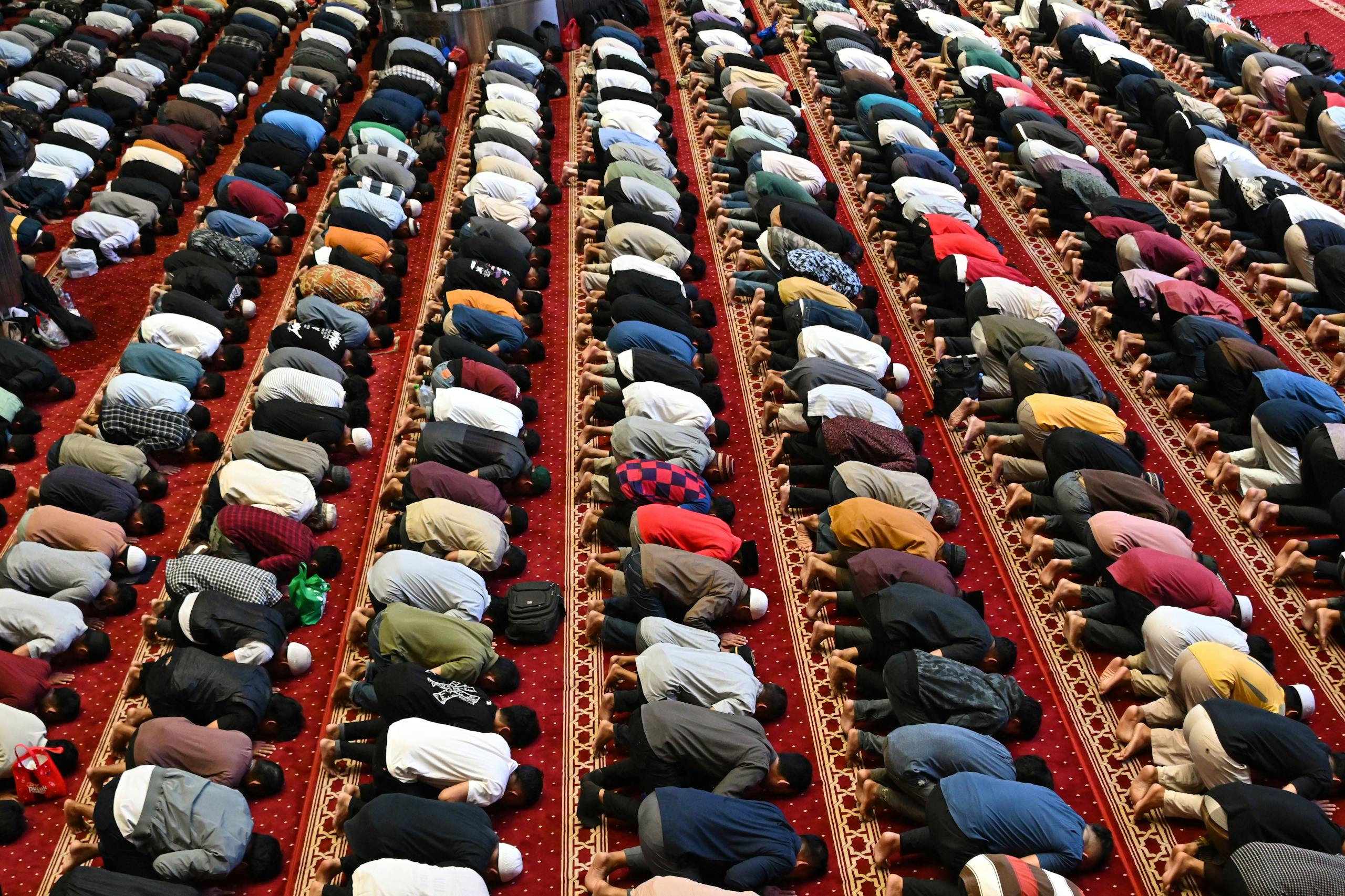
The idea of worship can confuse people outside religion. Atheists may ask why an all-powerful God would want praise from humans at all. To them, it can sound like divine insecurity dressed in sacred language.
Believers often see worship as love, gratitude, surrender, and connection. They may view prayer and praise as ways to align the heart with something greater. Still, the atheist question remains sharp because it asks what worship does for God.
This question makes people look at the motive behind devotion. Are people worshipping from love, fear, habit, or social pressure? That is not a small question, and honestly, it deserves more than a rushed church hallway answer.
Why Is Faith Needed If Morality Exists
Many atheists live kind, generous, honest lives without religious belief. They may ask why faith is necessary for goodness if people can act morally without it. That question can unsettle believers who link morality closely with God.
Some religious people see God as the source of moral truth. They believe faith gives human behavior a deeper foundation than personal preference. Still, atheists may argue that empathy, reason, and community can guide people too.
This question turns the spotlight on character. It asks whether goodness belongs only to religion or whether it lives wider than any single belief system. The answer can shape how believers and skeptics see each other.
Why Do Prayers Go Unanswered
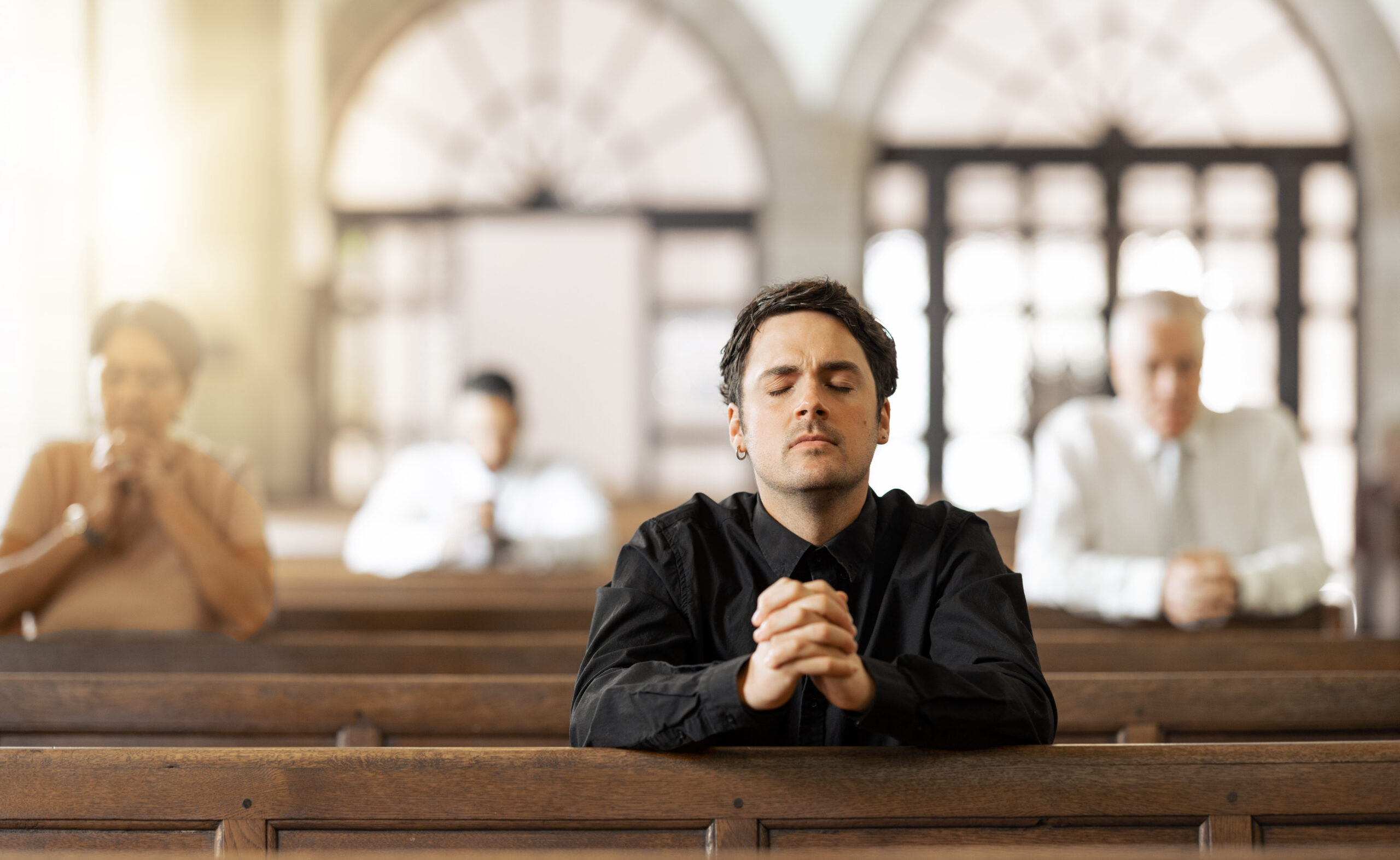
Unanswered prayer can feel like a locked door in the middle of faith. Atheists often ask why people pray if outcomes still seem uncertain, painful, or random. That question can sting because many believers have privately wondered the same thing.
Faith communities often teach that God answers in different ways. The answer may be yes, no, wait, or something hidden from human understanding. Still, that can feel emotionally rough when someone prayed with their whole heart and still lost what they loved.
This question forces faith to face disappointment. It asks whether prayer changes reality, changes the person praying, or simply offers comfort. No wonder it can shake people who were taught that prayer always works neatly.
Why Does Religion Cause Division
Religion can inspire mercy, courage, sacrifice, charity, and hope. It can also become tied to judgment, exclusion, power, and conflict. Atheists often ask why something meant to bring people closer to God often pushes people apart.
Believers may argue that people misuse religion, and that faith itself is not the problem. That answer makes sense to many, but it may not satisfy someone harmed by religious behavior. After all, pain caused in sacred spaces can leave a very stubborn bruise.
This question feels brutal because it moves from theory into lived experience. It asks believers to separate spiritual truth from human failure without pretending the damage never happened. IMO, that is where the conversation gets uncomfortable but useful.
Why Trust Ancient Texts Today

Sacred texts sit at the heart of many faith traditions. Atheists often ask why modern people should build their lives around writings from ancient worlds. They wonder how old texts can answer modern problems without being misunderstood or misused.
Believers may see scripture as timeless wisdom inspired by God. They may also trust tradition, scholarship, and personal conviction to guide interpretation. Still, skeptics ask who decides which parts speak literally, symbolically, culturally, or spiritually.
This question matters because interpretation shapes real lives. It influences family rules, gender roles, politics, identity, forgiveness, and personal choices. That gives the question weight far beyond a dusty argument about old pages.
Why Does God Seem Hidden
Many atheists say they would believe if God were clearer. They ask why a loving God would remain hidden when belief matters so much. That question can make faith feel like a test with missing instructions.
Believers often speak of God through creation, conscience, scripture, miracles, and personal experience. They may say God is present, but not always obvious. Yet skeptics may wonder why divine presence should require so much searching.
This question sits close to loneliness. It asks why sincere seekers sometimes feel silence instead of certainty. For many people, the hardest part of faith is not rebellion, but the ache of waiting for a sign.
Why Believe In Miracles But Not Coincidence

Miracle stories can strengthen faith and bring comfort during impossible seasons. Atheists often ask why believers call some events miracles instead of coincidences, luck, or natural recovery. That question can make spiritual testimony feel suddenly vulnerable.
Believers may answer that miracles carry meaning beyond the event itself. They may point to timing, transformation, healing, or peace that feels too deep to dismiss. Still, skeptics may ask why similar good outcomes happen across many beliefs and no beliefs.
This question challenges how people read life. One person sees divine fingerprints, and another sees probability doing its thing. The same event can become a testimony or a shrug, depending on the eyes looking at it.
Why Should Doubt Be Feared
Many atheists notice that some faith spaces treat doubt like danger. They ask why honest questions feel threatening if the truth is strong. That question can make believers reflect on how their communities handle uncertainty.
Healthy faith can survive questions, but fragile faith often panics. Some people grow stronger after wrestling with doubt because they stop borrowing easy answers. Others walk away because nobody gave them room to breathe.
This may be the deepest question in the whole conversation. If faith cannot face doubt, people may wonder what it is protecting. A mature spiritual life should not need panic buttons every time someone asks why.
Conclusion
Harsh questions atheists often ask can feel uncomfortable, but discomfort is not always the enemy of faith. Sometimes it reveals weak spots, lazy answers, or wounds that people have hidden under religious language. Other times, it opens the door to deeper belief, softer humility, and more honest conversations.
These questions matter because America keeps wrestling with faith in public and private life. Religion shows up in families, elections, schools, dating, grief, identity, and social media arguments that somehow never end. People want answers, but they also want honesty that does not sound rehearsed.
Believers do not need to fear every hard question. Atheists do not need to treat every believer like a walking debate stage. Both sides can bring curiosity, patience, and maybe a little less internet thunder.
The strongest faith may not be the one that avoids doubt. It may be the one who can sit with hard questions without falling apart. In a noisy culture, that kind of steady honesty feels rare, brave, and deeply human.