A man walks out of prison with a plastic bag of belongings, a few phone numbers, and a world that has changed while he was gone. The bus station is loud. The phone in his hand feels unfamiliar. The job application asks the question he has been dreading.
A woman comes home to find her children older, her old apartment gone, and people still whisper as if her sentence followed her through the front door. She is free, but not exactly welcomed.
America talks about crime, punishment, and public safety all the time. Cable news debates it. Politicians campaign on it. Neighborhood apps explode over it. Yet the people who have actually lived through prison often say the public picture is painfully incomplete.
These are the things former prisoners say society gets wrong about coming home, rebuilding trust, finding work, and trying to become more than the worst chapter of their lives.
Prison Release
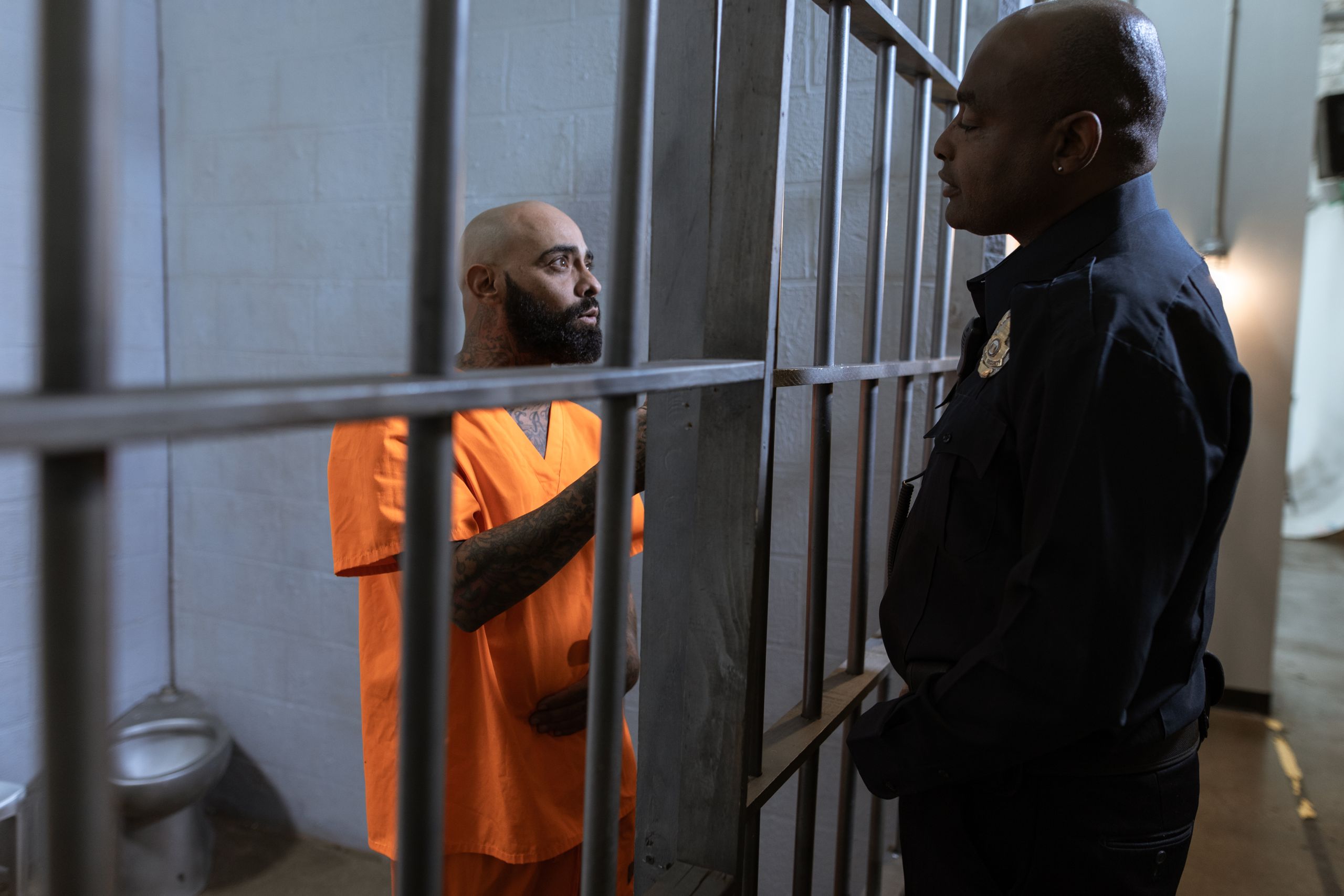
Many people imagine release day as the happy ending. The gates open, the person walks out, and life begins again. Former prisoners often describe something much harder: a sudden return to bills, rules, family wounds, technology, trauma, and suspicion.
The scale is larger than most people realize. More than 600,000 people leave prison each year, so reentry is not a rare side issue. It is a regular American reality touching families, employers, landlords, schools, churches, and neighborhoods.
Getting a Job
Society loves the phrase “just get a job.” Former prisoners often say that advice sounds simple only to people who have never checked the conviction box on an application. Even when they have skills, motivation, and clean intentions, the door can close before the interview begins.
The employment barrier is steep. Among working-age formerly incarcerated people, the unemployment rate has been measured far above the national average, with one analysis showing a 27.3% jobless reentry rate. That number tells a harsh story: many people want work, but wanting work is not the same as being allowed back into the labor market.
Family Reunion
The public often pictures a family reunion as hugs, tears, and relief. That moment can be real, but it is rarely the whole story. Children may feel abandoned. Parents may feel ashamed. Partners may carry old anger. Siblings may not know how close to stand.
Former prisoners say coming home means meeting family members who have survived without them. Love may still be there, but trust often needs rebuilding from the floor up. A person may be physically at home yet emotionally outside the family circle for months or years.
Shame

Many people think shame is useful because it keeps someone humble. Former prisoners often say shame can become a cage of its own. It follows them into job interviews, family dinners, church pews, dating, parenting, and ordinary conversations with neighbors.
Accountability matters, but permanent humiliation does not create stability. People rebuild better when they can admit harm, make amends where possible, and still believe they have a future. Shame without a path forward can keep a person stuck in the very identity society claims it wants them to leave behind.
Reentry Rules
Probation and parole may sound straightforward from the outside. Follow the rules, stay out of trouble, and move forward. Former prisoners often describe a much tighter reality, where transportation problems, unstable housing, work schedules, fees, appointments, and curfews can collide fast.
One missed meeting or technical violation can become serious, even when no new crime has happened. Long-term reentry data show how many people face long rearrest patterns after release, which is why support matters as much as supervision. Rules without realistic tools can feel like a trap rather than a bridge.
Housing
A stable address sounds basic until every landlord wants a background check. Former prisoners may return to communities where rents are high, public housing rules are complicated, shelters are full, and family couches come with emotional limits.
Without housing, everything else gets harder. It becomes harder to keep appointments, find work, sleep well, stay clean, reconnect with children, or avoid old survival patterns. A person can be determined to change and still struggle if they have no safe place to land.
Prison Changes People
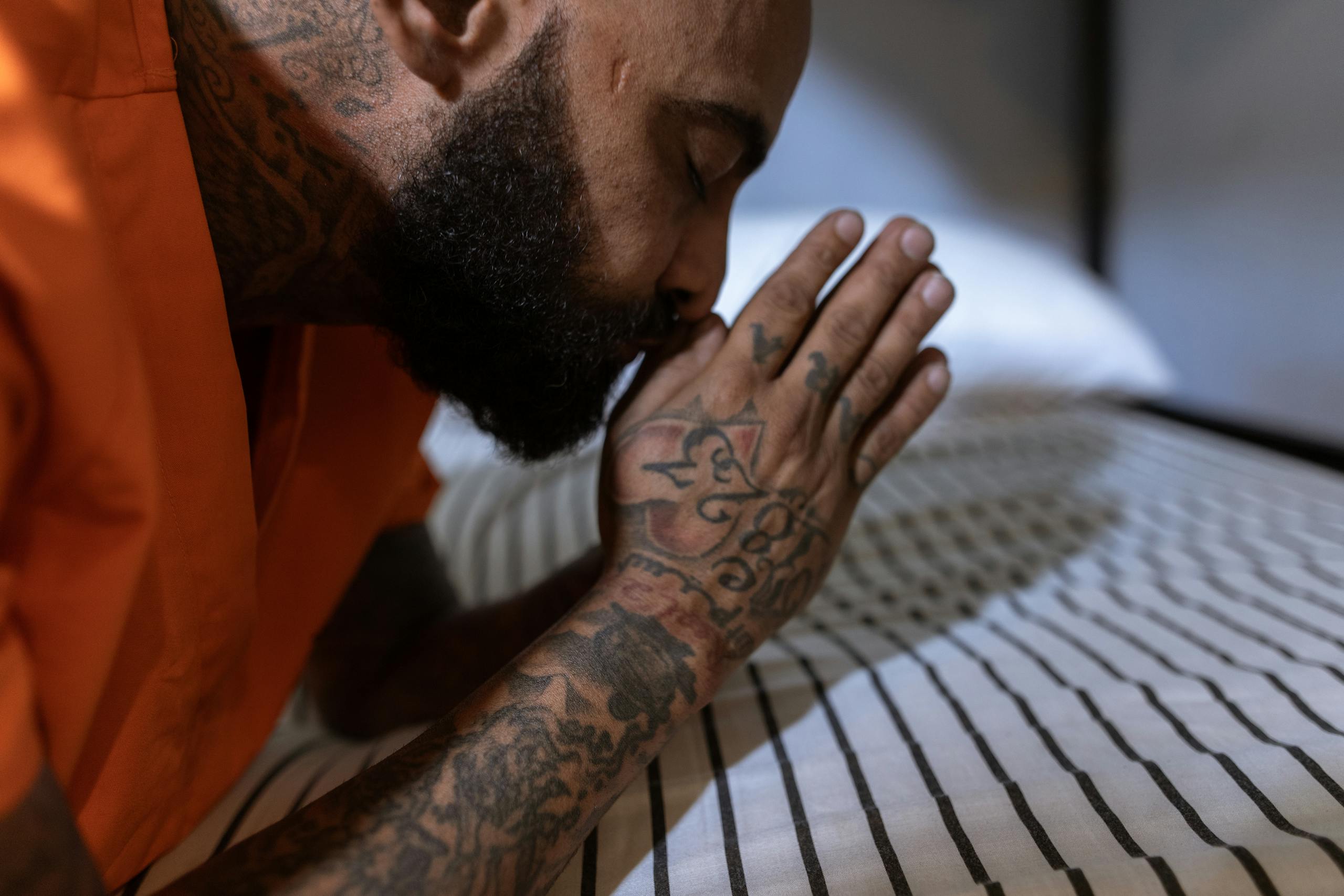
People often expect former prisoners to come home and behave “normally” right away. That expectation ignores what prison can do to the body and mind. Years of noise, control, danger, routine, isolation, and survival thinking do not vanish at the gate.
Former prisoners may struggle with crowds, touch, sleep, decision-making, anger, guilt, or silence. Health risks after incarceration can also be serious, with reentry linked to higher risks involving mental health, substance use, housing, and access to care through reentry health risks. Coming home may require healing, not just discipline.
Most People Are Not Asking for Pity
Former prisoners often say they do not want society to pretend harm never happened. Many understand that victims, families, and communities carry real pain. What they want is a chance to be seen as human after accountability, not frozen forever as a headline, charge, or mugshot.
This distinction matters. Mercy is not the same as denial. A second chance does not erase consequences. It recognizes that people can be responsible for the past and still need a fair opening to build a lawful, stable, useful life.
Public Safety
Public safety conversations often turn into shouting matches. Some people demand harsher punishment. Others demand reform. Former prisoners often point to a quieter truth: communities are safer when people coming home can find housing, work, treatment, transportation, family support, and a reason to keep going.
The country still has a large prison population, and recent data show that the number in state and federal prisons rose in 2023. That should make the reentry conversation more serious, not less. If people are going to return to neighborhoods, then helping them return well is not soft. It is practical.
Conclusion

The things former prisoners say society gets wrong are not always comfortable to hear. They challenge the easy story that punishment ends the problem, that releasing fixes the future, and that personal willpower alone can repair years of damage.
Real accountability should include truth. Some people caused harm. Some victims never fully recover. Some families carry scars that deserve respect. None of that disappears because someone wants a second chance.
Still, a society that expects people to change has to make change possible. Work, housing, health care, family repair, and basic dignity are not rewards for perfection. They are the people the ground needs to build something better after prison.