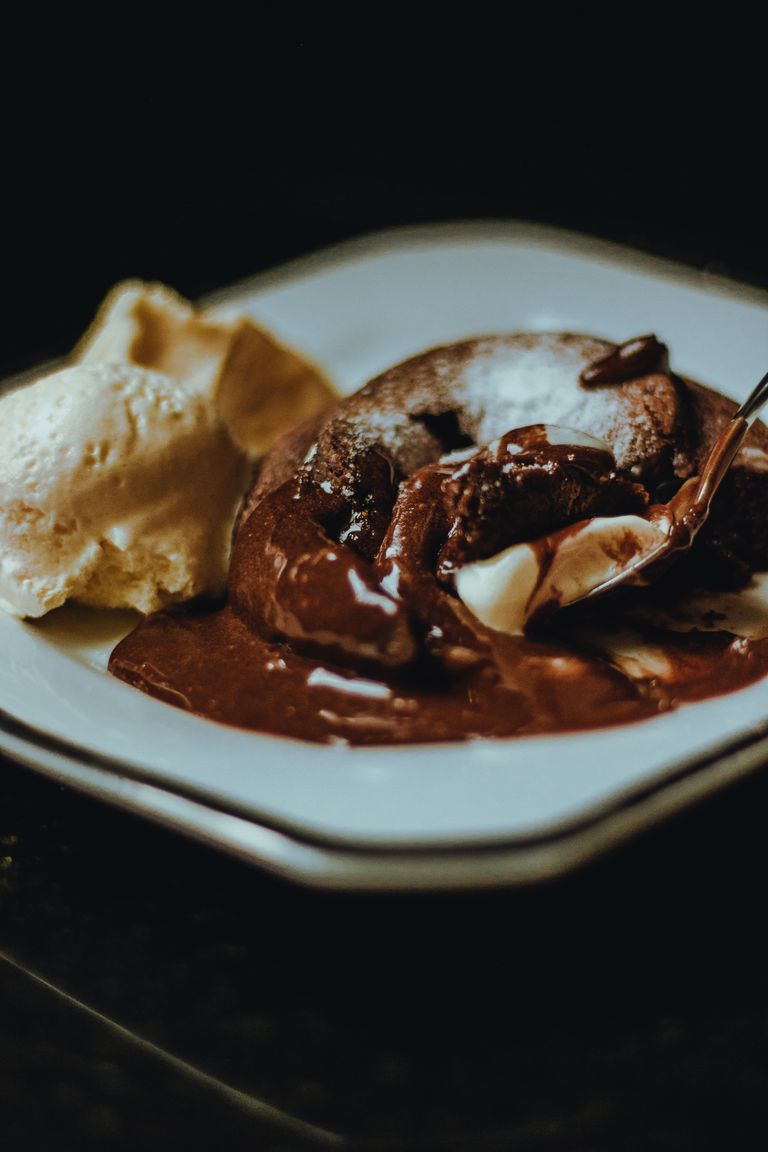
America does not have a willpower problem as much as it has a food environment problem. Many of the foods that look normal, cheap, convenient, or even “fitness friendly” are loaded with the same three troublemakers: added sugar, excess sodium, and poor quality fats. Ultra processed foods now make up about 55 percent of calories consumed by Americans age 1 and older, with youth getting an even higher share at 61.9 percent.
We do not need to treat every snack like a crime scene, but we do need to know which foods become dangerous when they move from occasional treat to daily habit. The strongest diet is not built on fear. It is built on better swaps, smarter labels, and fewer foods that hijack hunger before the day even starts.
Sugary Breakfast Cereal

Sugary cereal sells itself as breakfast, but many boxes behave more like dessert with a vitamin sticker on the front. The problem is not just the sugar. It is the combination of refined grains, low fiber, and fast digestion that can leave us hungry again long before lunch.
A smarter breakfast should give the body protein, fiber, and slow energy. Steel cut oats, plain Greek yogurt with fruit, eggs, chia pudding, or whole grain toast with nut butter all do the job better. Added sugars should stay limited, and current U.S. guidance still tells people age 2 and older to keep added sugars below 10 percent of daily calories.
Doughnuts and Packaged Pastries
Doughnuts, snack cakes, muffins, and packaged pastries are easy to love because they hit the brain fast. They usually combine refined flour, added sugar, oil, salt, and soft textures that make overeating almost effortless. That is why one pastry rarely feels like enough.
The bigger issue is how often these foods sneak into morning routines. A doughnut once in a while will not ruin a diet, but a daily pastry breakfast can crowd out protein, fruit, and fiber. We should treat these foods like dessert, not fuel.
White Bread
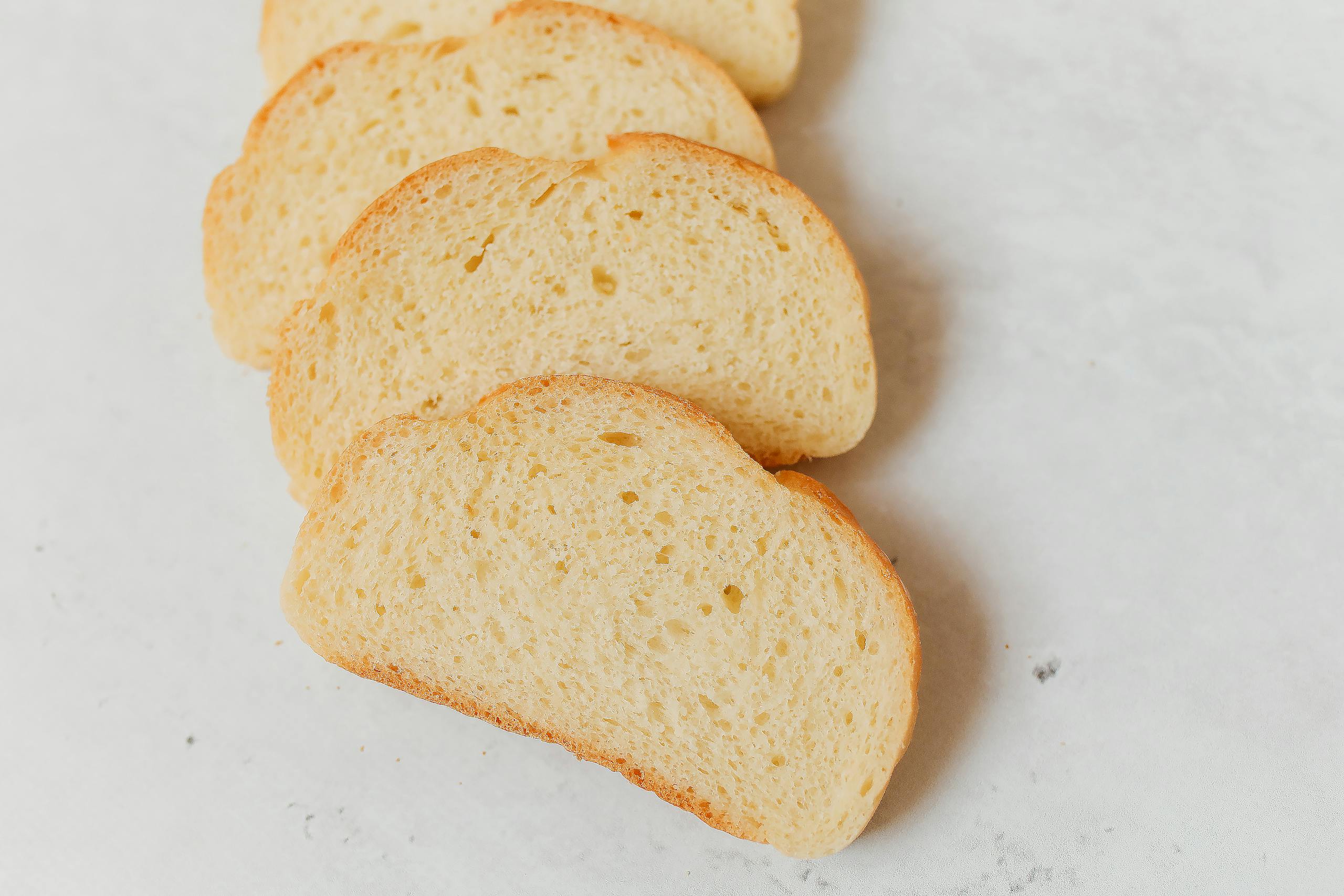
White bread is one of the easiest foods to underestimate. It looks plain, but it is usually made from refined grain that has lost much of the fiber and natural structure found in whole grains. That means it digests quickly and does less to support fullness.
A better choice is 100 percent whole grain bread with a short ingredient list and at least a few grams of fiber per slice. The goal is not to fear bread. The goal is to stop choosing the version that gives the least nutrition for the calories.
Bagels
Bagels can be a breakfast trap because they feel simple and harmless. Many large bagels deliver a heavy refined carbohydrate load before cream cheese, butter, or sugary spreads enter the picture. Add a sweet coffee drink and breakfast can turn into a calorie bomb before the workday begins.
We can still enjoy bagels, but portion control matters. Choose a smaller whole grain bagel, scoop out some of the center, or pair half with eggs, smoked salmon, avocado, or cottage cheese. The protein and fat help slow the meal down.
French Fries
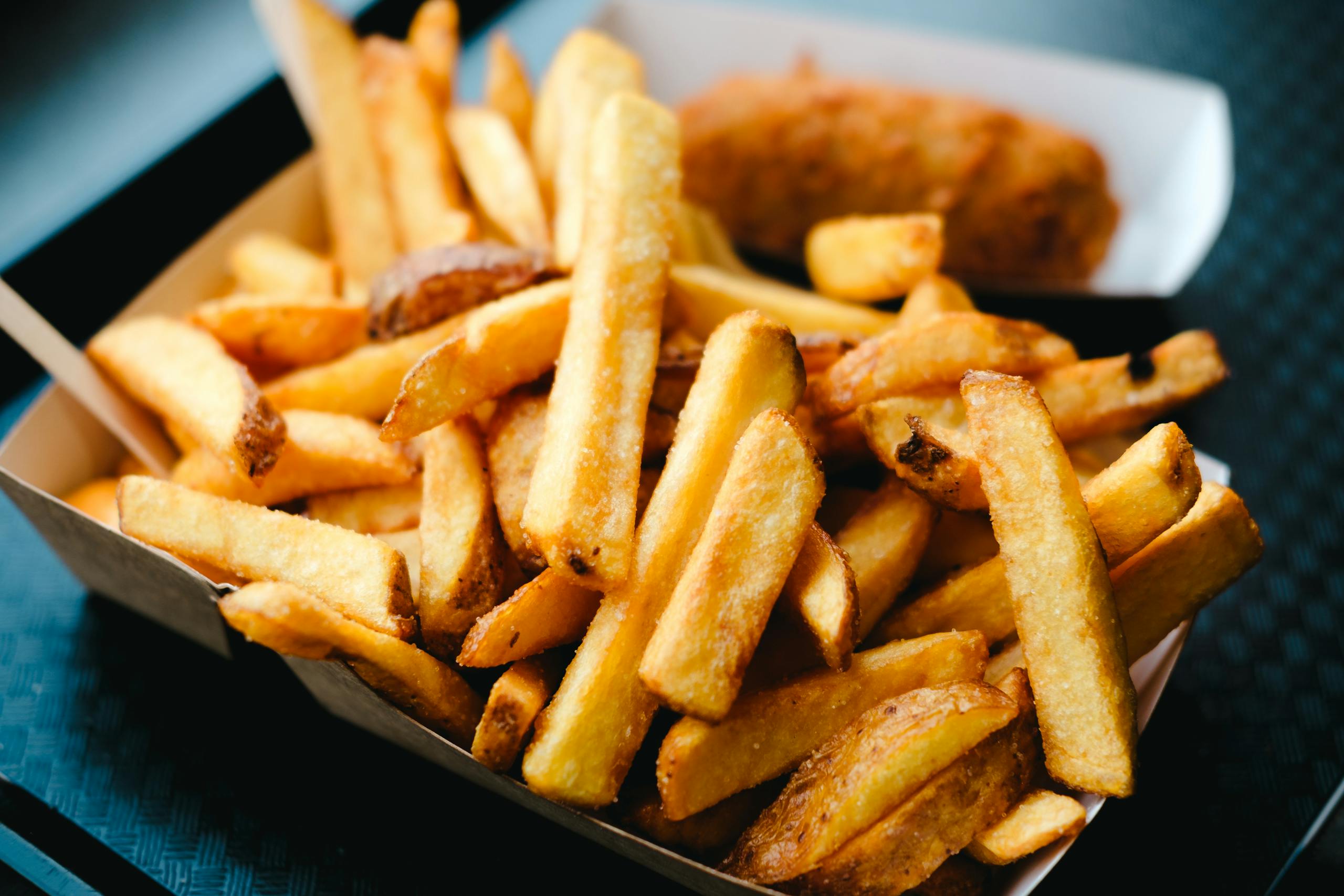
French fries are popular because they are salty, crispy, and designed for repeat bites. They often bring together refined starch, frying oil, and a sodium hit that makes them hard to stop eating. The potato itself is not the villain, but the frying method changes the story.
A baked potato, roasted potatoes, or air fried wedges with olive oil and seasoning can fit better into a balanced diet. The difference is structure. Whole potatoes bring more fullness, while fries often disappear fast and leave us reaching for more.
Potato Chips
Potato chips are one of the clearest examples of a food engineered for overeating. They are thin, salty, crunchy, and energy dense, which makes it easy to eat several servings without noticing. The serving size on the bag rarely matches real life.
Better crunch options include roasted chickpeas, air popped popcorn, nuts in measured portions, sliced vegetables with hummus, or baked tortilla chips with salsa. The key is choosing snacks that create fullness instead of only chasing flavor.
Microwave Popcorn With Heavy Butter Flavoring
Plain popcorn can be a smart snack because it is a whole grain and can provide fiber. The problem starts when popcorn comes buried under heavy artificial butter flavoring, excess sodium, and greasy coatings. Some microwave bags also turn a simple food into a highly processed snack.
Air popped popcorn or stovetop popcorn gives more control. Add a small amount of olive oil, herbs, chili powder, cinnamon, or nutritional yeast. We keep the crunch and lose much of the processed baggage.
Candy Bars and White Chocolate
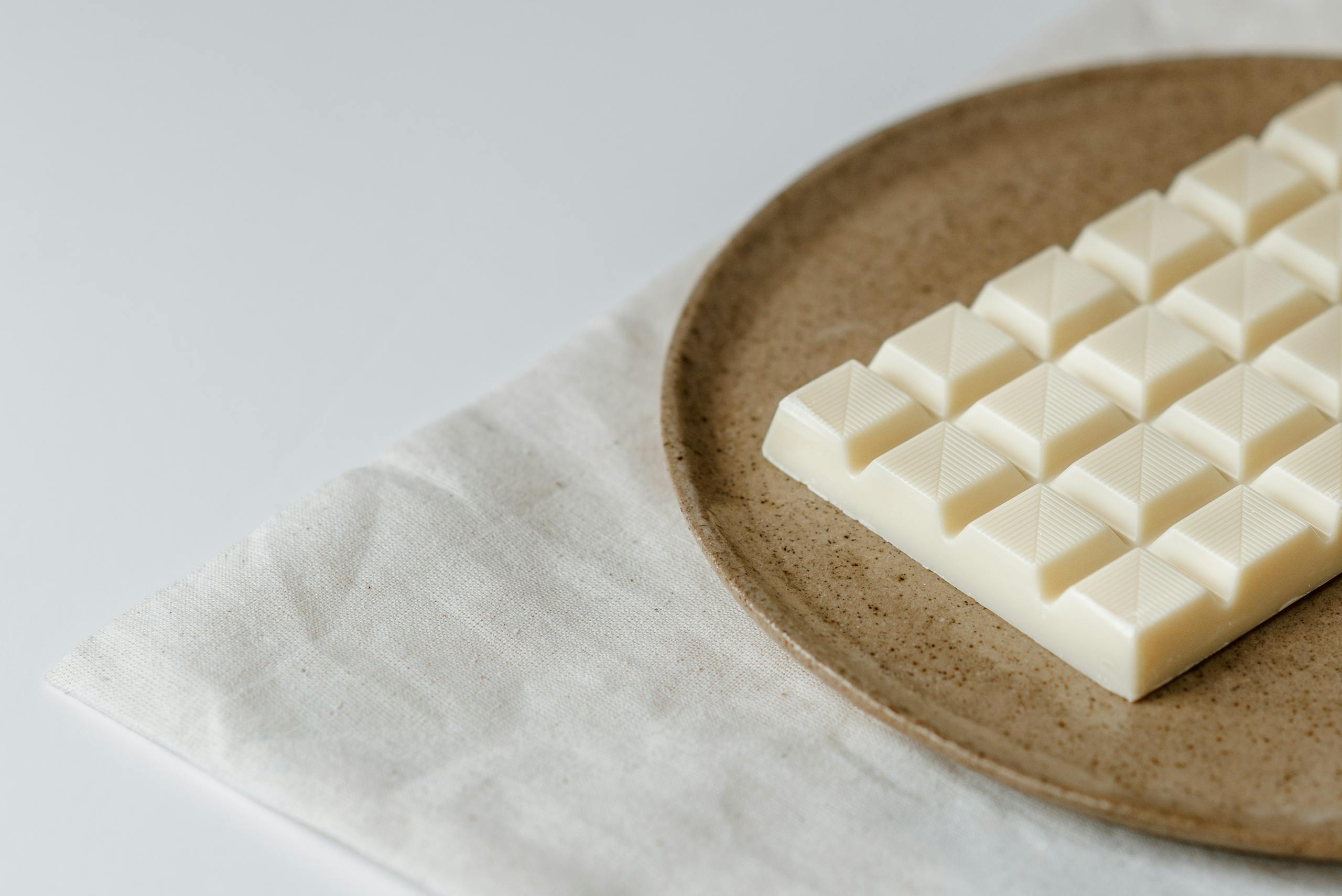
Candy bars and white chocolate deliver sugar quickly and rarely satisfy hunger for long. White chocolate is especially weak nutritionally because it lacks the cocoa solids that give dark chocolate its stronger antioxidant profile. In practical terms, it is mostly sugar and fat.
A better sweet option is a small square of dark chocolate, fruit with yogurt, dates with nut butter, or homemade cocoa energy bites. We do not need to eliminate sweetness. We need sweets that do not turn into a daily blood sugar roller coaster.
Ice Cream and Frozen Desserts
Ice cream is not dangerous because it tastes good. It becomes a problem because it combines sugar, fat, soft texture, and large portions in one bowl. Many people also eat it at night, when hunger is often emotional rather than physical.
Better choices include Greek yogurt with berries, frozen banana blended with cocoa, fruit sorbet in a small portion, or a measured scoop of high quality ice cream eaten slowly. The goal is to make dessert intentional instead of automatic.
Soda
Regular soda is one of the easiest ways to drink added sugar without feeling full. Liquid calories move fast, and the body does not always compensate by eating less later. That makes soda a major problem for weight control and metabolic health.
Water, sparkling water, unsweetened tea, and fruit-infused water are better daily choices. If soda is a habit, reducing it gradually can be more effective than quitting overnight.
Conclusion
The worst foods are not always the loudest ones. Some sit in the pantry with healthy-looking labels, fitness language, low-fat claims, or “natural” branding that hides the real problem. A food does not need to be forbidden to be limited, and a diet does not need to be perfect to be powerful.
We win by making the foods we eat most often do more work for us. That means more protein, more fiber, more whole foods, less added sugar, less sodium, fewer ultra-processed shortcuts, and fewer snacks that leave us hungrier than before. The plate gets easier when the pantry stops fighting back.