A single proposal from Homeland Security Secretary Markwayne Mullin has sparked nationwide alarm. The plan’s core aim: suspend international passenger and cargo processing at airports in cities that don’t comply with federal immigration enforcement requirements. This approach threatens legal battles, logistical chaos for airlines, and substantial disruption for local economies.
Major cities reliant on international travel could face immediate hits to tourism, trade, and business activity, while passengers encounter sudden cancellations and reroutes. Airlines would struggle to adapt to schedules, staffing, and customs operations, and political tensions between federal authorities and city governments are likely to escalate.
Given the potential national legal, economic, and operational impacts, this proposal stands out as a uniquely destabilizing federal action.
Legal Chaos Could Shut Down the Plan.

Mullin’s idea runs straight into constitutional hurdles. Article I, Section 9 prohibits giving preference to one state port over another, meaning selective airport shutdowns could trigger immediate lawsuits.
Legal analysts expect a flood of court challenges from both states and airlines, potentially halting the plan before it even begins.
Lawsuits alone could tie up the administration in months of litigation. The constitutional challenge isn’t just theoretical: courts have historically blocked federal actions that unfairly target specific cities or states, which could make this proposal one of the most contentious legal battles of the decade.
Airlines Face a Nightmare Scenario.
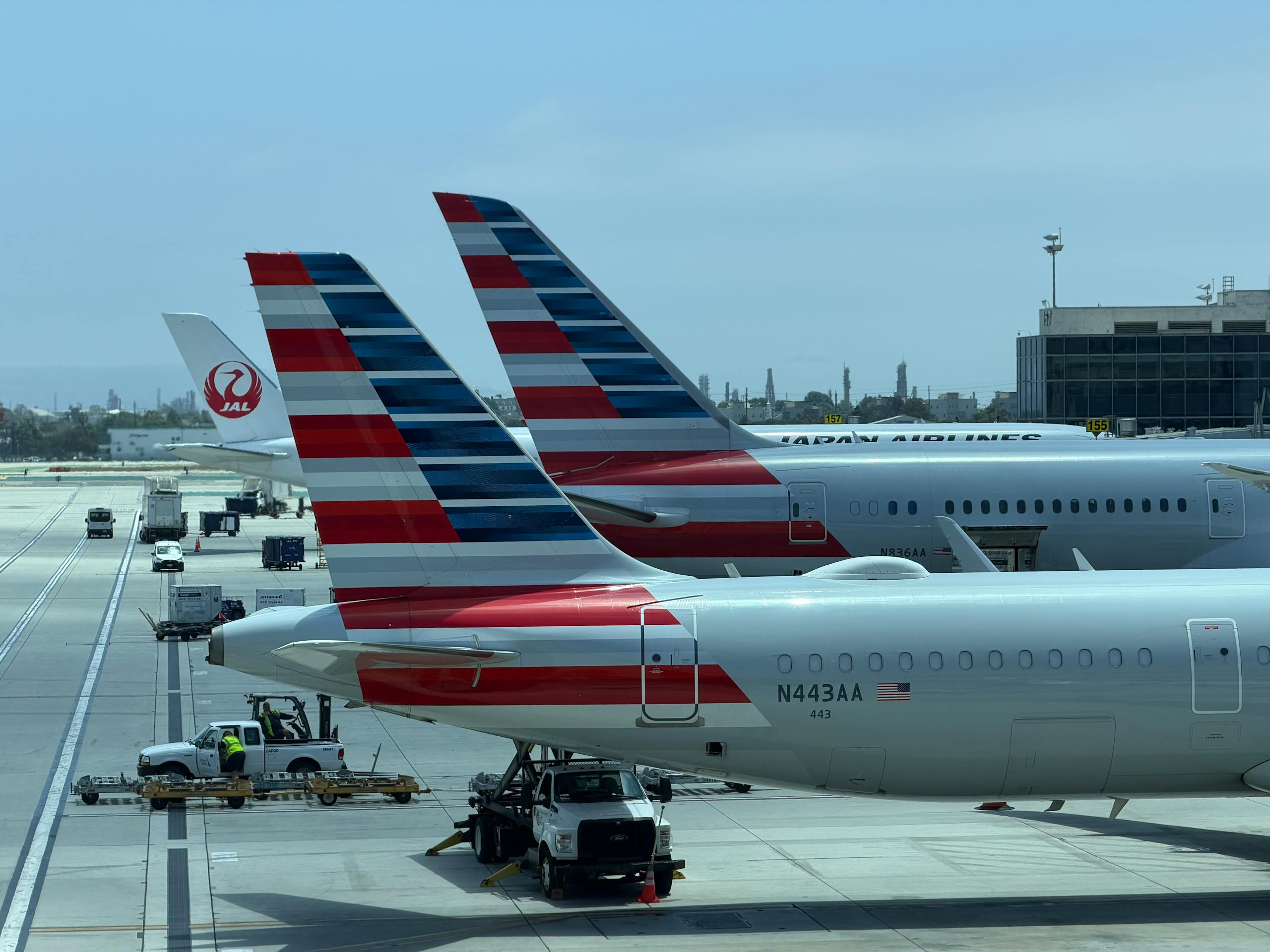
International airlines operate on razor-thin schedules. Canceling or rerouting flights would wreak havoc on logistics, baggage handling, and flight crews. Industry experts warn that revenue losses could climb into the billions, with carriers scrambling to accommodate stranded passengers.
Even if technically possible, the operational chaos would make this plan nearly impossible to execute smoothly. Airlines may also face reputational damage as travelers encounter widespread delays, missed connections, and unpredictable reroutes, which could undermine long term customer trust and loyalty.
Local Economies Could Take a Massive Hit.
Airports are lifelines for tourism, hospitality, and trade. Halting international flights would immediately affect hotels, restaurants, and local businesses in targeted cities. Economists predict a domino effect in which lost tourism revenue depresses jobs and tax revenue.
The economic fallout would extend far beyond “sanctuary” cities, affecting nearby regions and suppliers that depend on travel.
Investment in urban development projects could stall, as reduced air traffic discourages international business ventures and conventions, further eroding economic growth in key metropolitan hubs.
Airports Aren’t Built for Sudden Overload.
Diverting flights to other cities isn’t as simple as changing a flight plan. Customs, immigration, and security staffing would be overwhelmed at alternative airports. Experts warn that even mid size airports could buckle under the pressure of handling international flights they weren’t designed for.
The result: delays, confusion, and safety risks for thousands of travelers. Airport infrastructure, from baggage handling systems to ground transportation, isn’t scalable overnight, meaning that even well intentioned diversion plans could collapse within days of implementation.
Public Backlash Is Brewing.
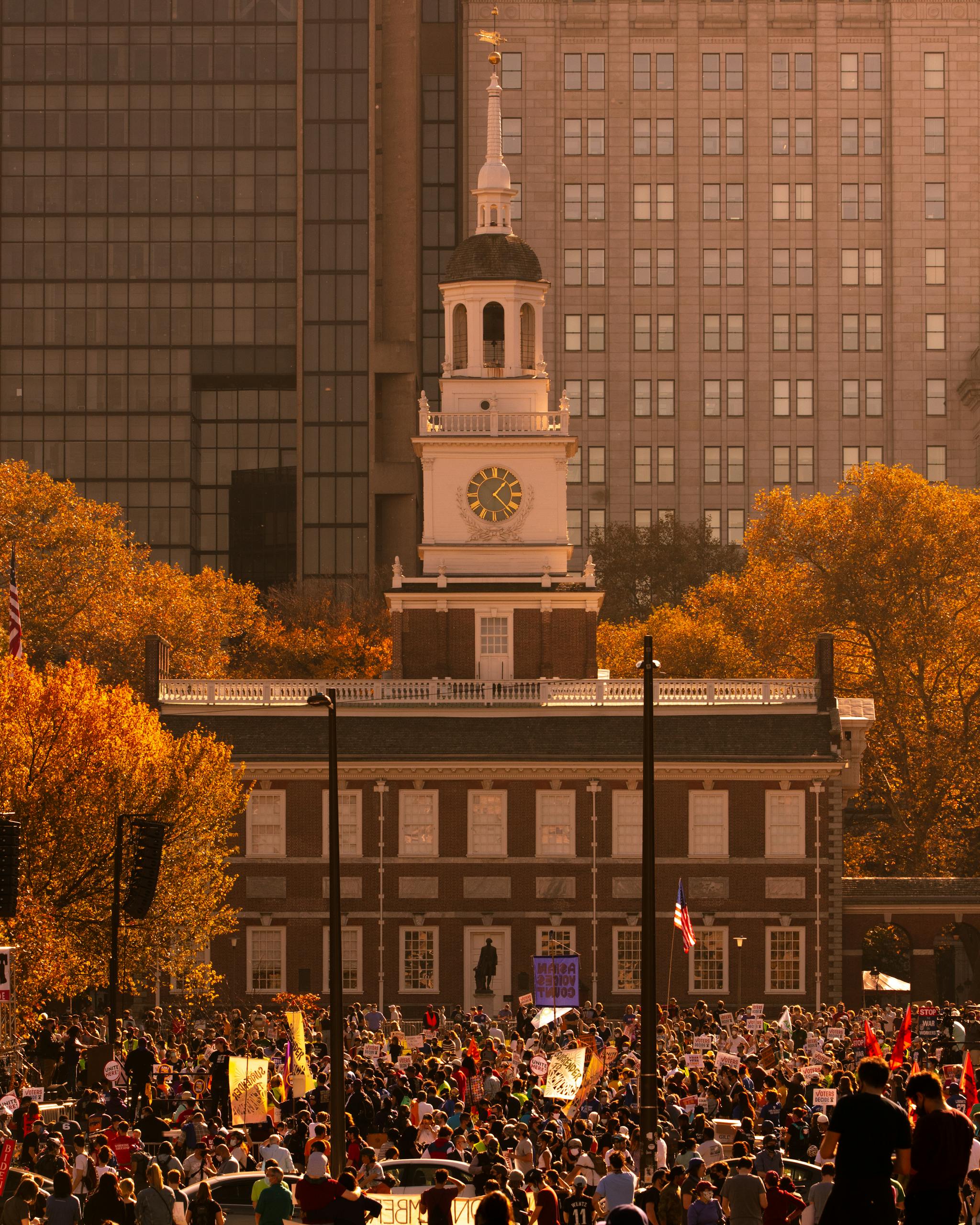
Citizens in affected cities are unlikely to take this quietly. Travelers, businesses, and advocacy groups are already labeling the plan “actively insane.” Experts argue that punishing residents for local policy decisions could ignite political protests and further entrench opposition to federal directives.
Public perception may turn this into a major political fiasco. Social media amplification and widespread coverage could mobilize opposition in ways that hurt both the administration’s image and bipartisan cooperation on other federal initiatives, creating lasting political tension.
Flights Could Become Uninsurable or Unpredictable.
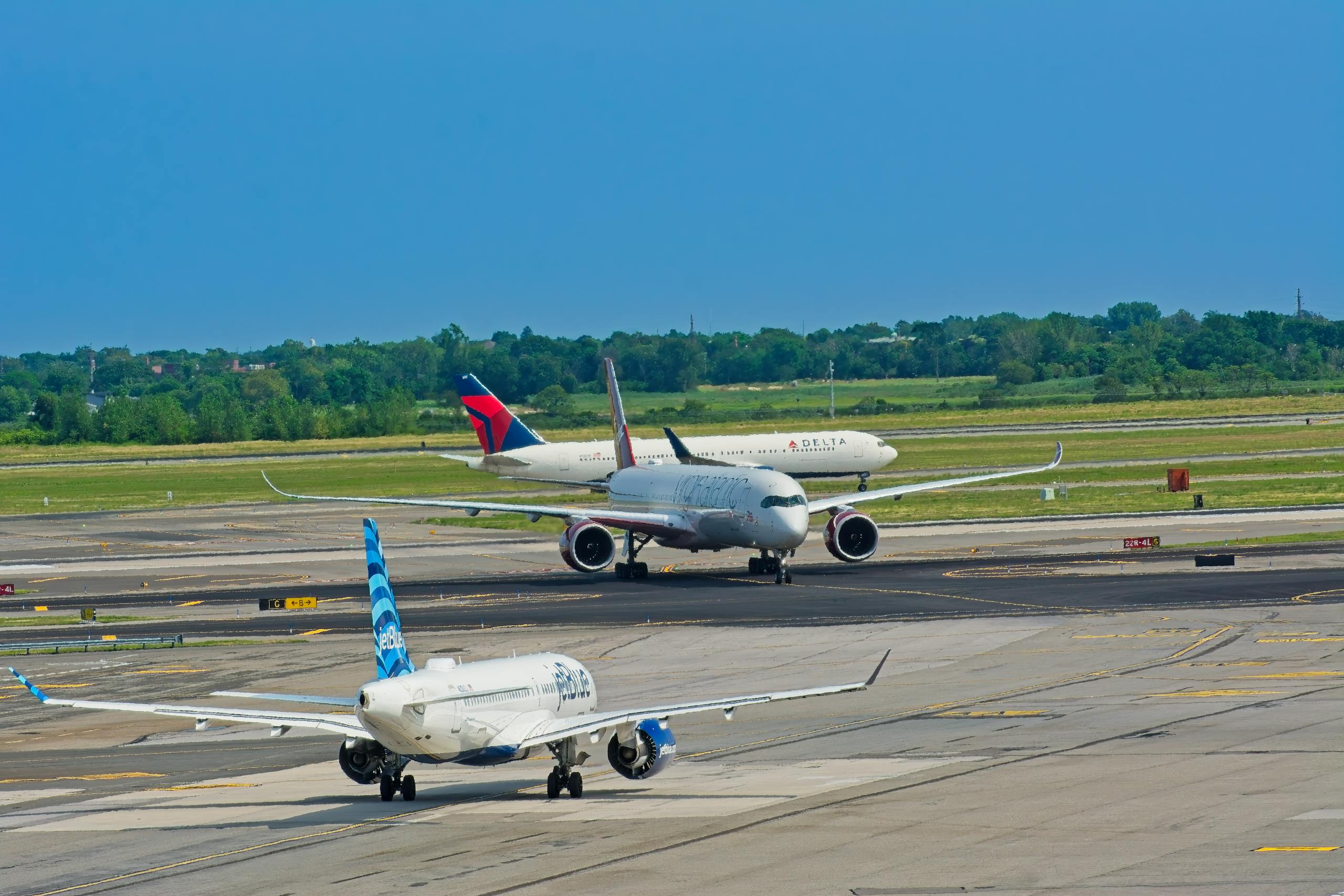
Insurance providers and airline partners would likely reassess risk exposure. Flight cancellations and reroutes on this scale could void insurance agreements, forcing airlines to absorb staggering costs. The uncertainty could discourage international carriers from scheduling flights to U.S. cities entirely, leaving travelers stranded and commerce disrupted.
Additionally, global supply chains reliant on air cargo could be delayed or rerouted inefficiently, affecting shipments of perishable goods. Resulting delays may cause spoilage or shortages, which could, in turn, lead to higher prices or limited food availability for consumers, directly linking food delivery disruptions to negative outcomes.
Real Solutions Are Being Ignored.
Experts suggest that cooperative enforcement agreements and targeted immigration measures would be far more effective. Technology driven monitoring and engagement with local authorities could improve compliance without disrupting travel.
By ignoring these options, the administration risks creating chaos for Americans and airlines while accomplishing little in immigration enforcement.
Effective alternatives could include expanding federal resources to ports of entry, incentivizing voluntary local cooperation, and implementing precise policy tools that do not jeopardize the daily lives of millions of residents and travelers.
International Relations Could Be Strained.
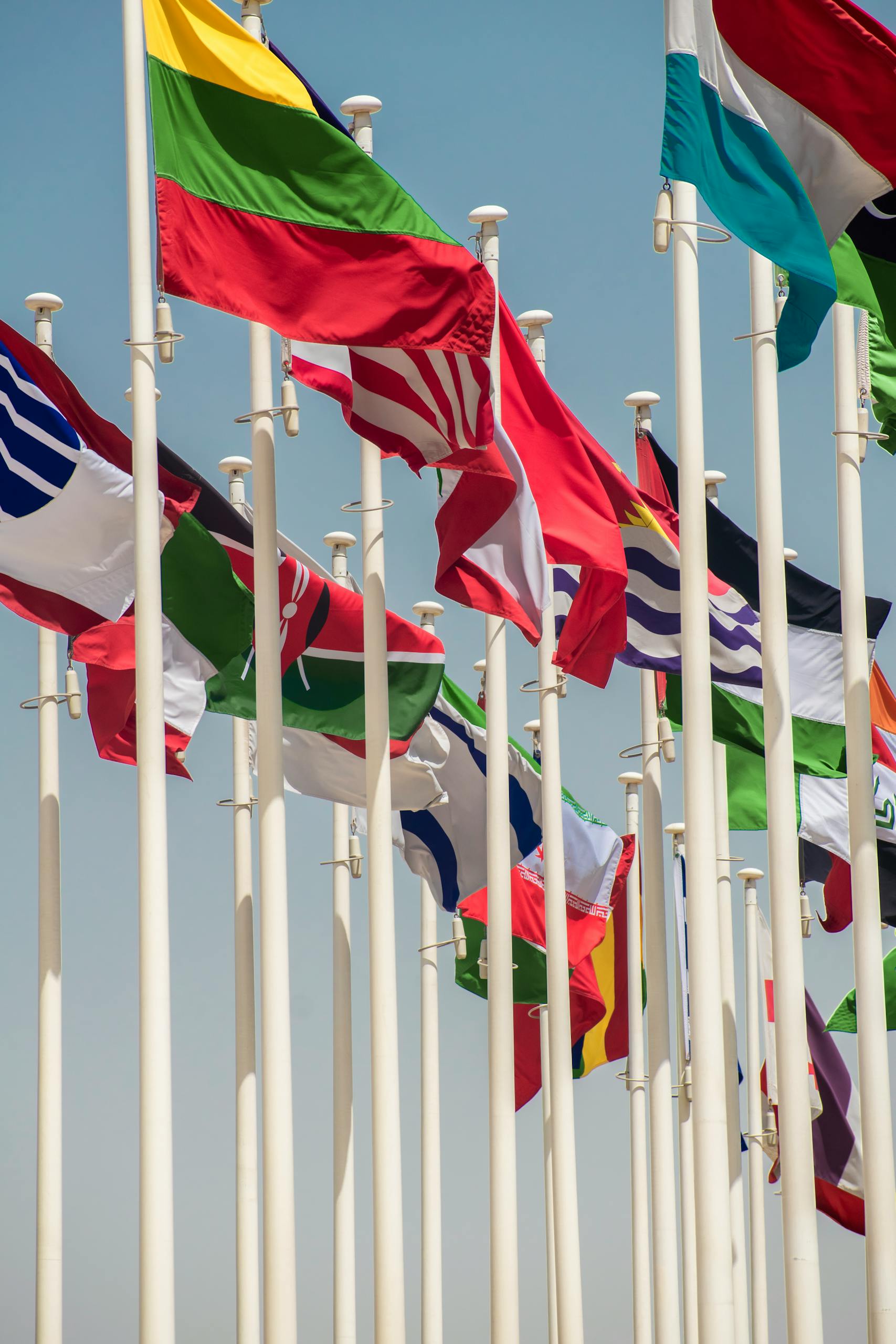
Targeting international flights could also impact U.S. diplomacy. Foreign governments may view canceled or rerouted flights as hostile actions against their citizens or businesses. Airlines from other countries could lobby their governments to respond or take protective measures, potentially harming trade and diplomatic relationships.
The U.S. risks being perceived as unpredictable or punitive in global aviation and commercial markets, with long term consequences for both tourism and international business deals.
Airline Employees Could Face Increased Stress.
Flight crews, ground staff, and airline management would bear the brunt of operational strain. Handling sudden cancellations, reroutes, and passenger complaints could overwhelm personnel, increasing workplace stress and turnover.
Labor disputes could arise if employees are forced to manage logistical chaos without adequate notice or support. The human cost of implementing such a plan may rival the economic and operational challenges, further underscoring the proposal’s complexity and potential fallout.
Conclusion
Markwayne Mullin’s proposal to block international flights to certain U.S. cities threatens major disruption beyond politics, triggering legal challenges, economic shocks, and operational turmoil with potentially catastrophic results.
Even if the proposal is partially implemented, airlines, passengers, and local economies would bear the brunt, while constitutional and diplomatic concerns remain unresolved.
The unfolding debate serves as a stark reminder of the complexity and interconnectivity of modern travel systems, highlighting that punitive policy measures often carry unintended and widespread repercussions.