Every child deserves a home that feels like a safe harbor, a place where they can grow, explore, and feel valued. For some children, however, fractured families create an environment filled with tension, neglect, and unpredictability.
These homes may not always show obvious danger often; it’s subtle patterns, quiet tension, and hidden chaos that shape a child’s worldview and sense of safety. Recognizing these signs early gives caregivers, educators, and loved ones the chance to intervene and prevent lasting harm. Broken families can recover, but understanding the warning signs is essential.
Children in these environments often internalize stress, fear, and confusion, which can impact their emotional and cognitive development. By observing behavior, routines, and the emotional climate at home, adults can spot risk factors and provide the support children need to thrive.
Explosive, Unresolved Conflicts

Homes filled with constant shouting, blaming, and unresolved disputes create emotional turbulence for children. Even if conflicts are verbal rather than physical, children learn that tension and fear are normal. They often become hyper-vigilant, anticipating the next outburst, which can lead to chronic anxiety, trouble trusting others, and difficulty regulating emotions.
Repeated exposure can normalize aggression as a method for problem-solving, leaving children ill-equipped for healthy relationships later in life. These conflicts rarely resolve on their own, leaving children to navigate the emotional fallout on their own.
The tension can spill over into school, friendships, and extracurricular activities, affecting both performance and social development. Without intervention, children may internalize conflict as a permanent aspect of family life, which can result in long-term emotional and psychological challenges.
Emotional Neglect
Children rely on emotional support to develop self-esteem and a sense of safety. When caregivers consistently ignore, dismiss, or minimize a child’s feelings, emotional neglect takes root. Kids may feel invisible or unimportant, which can lead to social withdrawal, anxiety, and difficulty forming meaningful relationships. Emotional neglect is often subtle, making it harder for outsiders to notice, but it is just as damaging as overt abuse.
The effects compound over time. Children who experience this type of neglect may struggle to express emotions or seek support, believing their feelings do not matter. They can carry these patterns into adulthood, often forming relationships where their needs are ignored or dismissed. Emotional neglect also affects resilience, making it more challenging for children to cope with stress, setbacks, or trauma later in life.
Chaotic, Unpredictable Environments
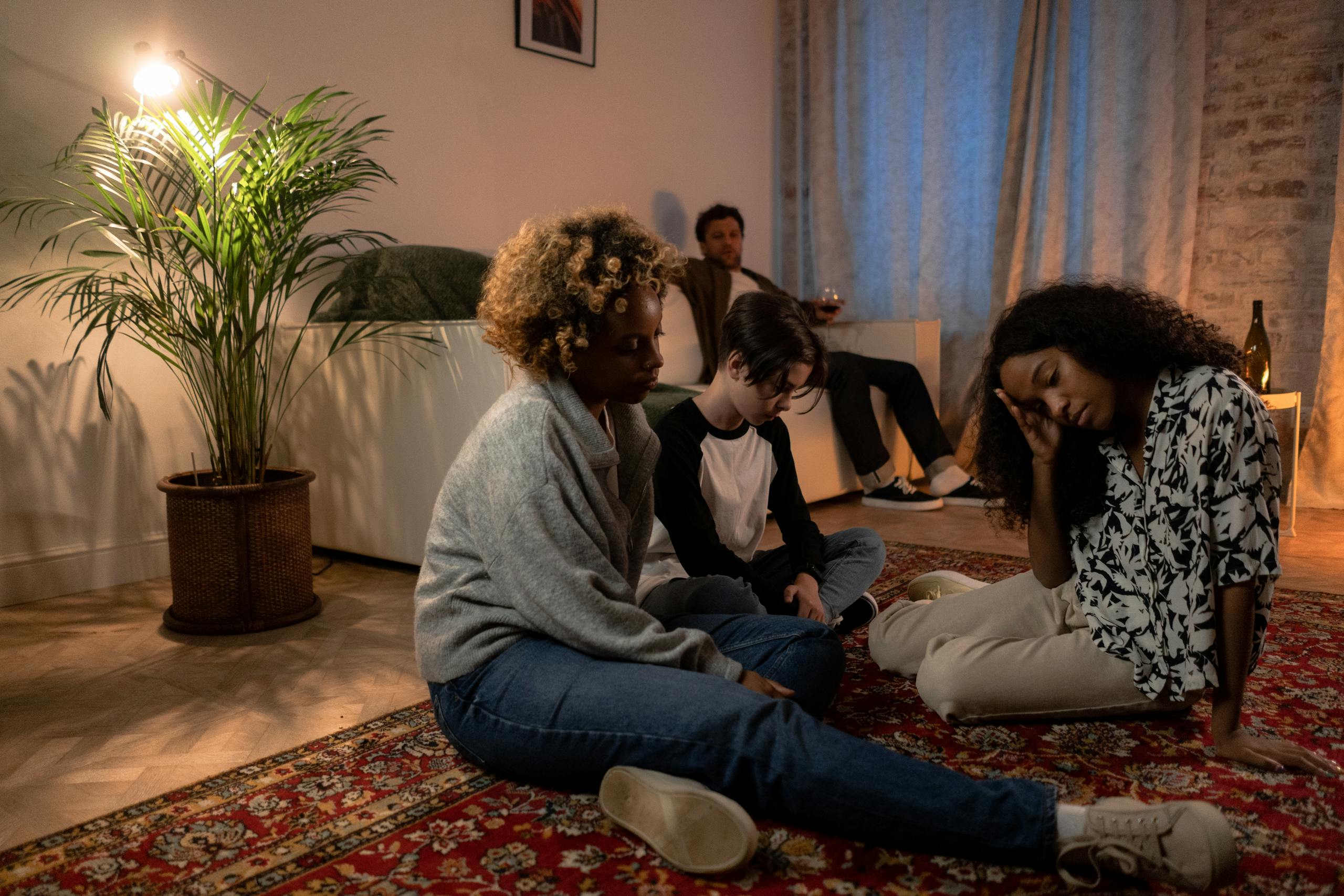
Children thrive on consistency, structure, and predictable routines. In households where rules are inconsistent, daily routines collapse, or responsibilities shift unpredictably, kids face constant confusion and stress.
This chaos affects cognitive and social development, making it difficult for children to focus, plan, or handle challenges effectively. The home environment becomes a source of anxiety rather than security, shaping how children perceive and navigate the wider world.
Beyond the physical disorder, chaos often reflects inconsistent parenting and emotional instability. Children may struggle to develop a sense of control or mastery over their environment, which is crucial for learning self-discipline and coping skills. Over time, they may adopt heightened vigilance or hyper-responsibility, always anticipating the next disruption or emotional storm, which can persist well into adulthood.
Harsh or Abusive Discipline
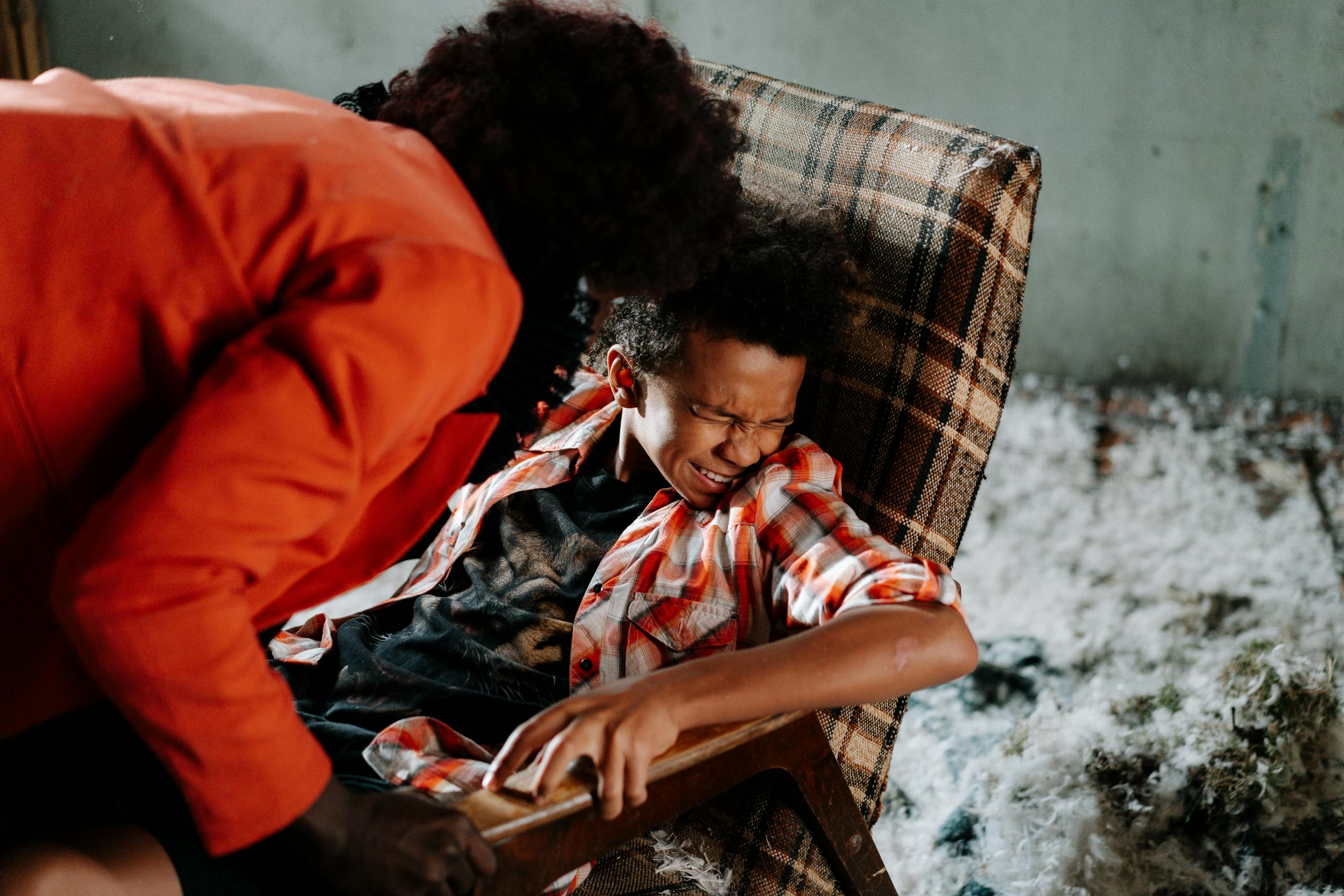
Discipline becomes harmful when it crosses into shaming, belittling, yelling, or physical punishment. Children exposed to harsh or abusive discipline learn to associate fear with guidance and may internalize messages that love is conditional.
Over time, these children may develop low self-esteem, anxiety, or aggression, and they often struggle to form trusting relationships. The home environment teaches them that safety and care are conditional, rather than inherent.
The impact goes beyond the immediate punishment. Children may adopt avoidance, compliance, or even aggression as coping strategies, shaping social behaviors for years to come. Harsh discipline can distort the understanding of boundaries, authority, and interpersonal respect, making it challenging for children to differentiate between healthy and harmful interactions in school, friendships, or romantic relationships.
Neglect and Lack of Supervision
Safety isn’t just emotional, it’s also physical. Homes where children are left unsupervised, exposed to hazards, or ignored during times of need create a profound sense of instability. Neglect communicates that a child’s well-being is optional, undermining trust in adults and fostering chronic insecurity.
Over time, children may develop anxiety, hyper-vigilance, or reckless behaviors, struggling to anticipate danger without guidance. Neglect often extends beyond immediate physical danger. Children raised in these environments may find it difficult to make safe choices, advocate for themselves, or trust that others will protect them.
The lack of oversight affects independence and decision-making skills, as children never experience consistent guidance or support in navigating challenges. This can have lasting consequences on emotional development and self-confidence.
Persistent Stress Without Support
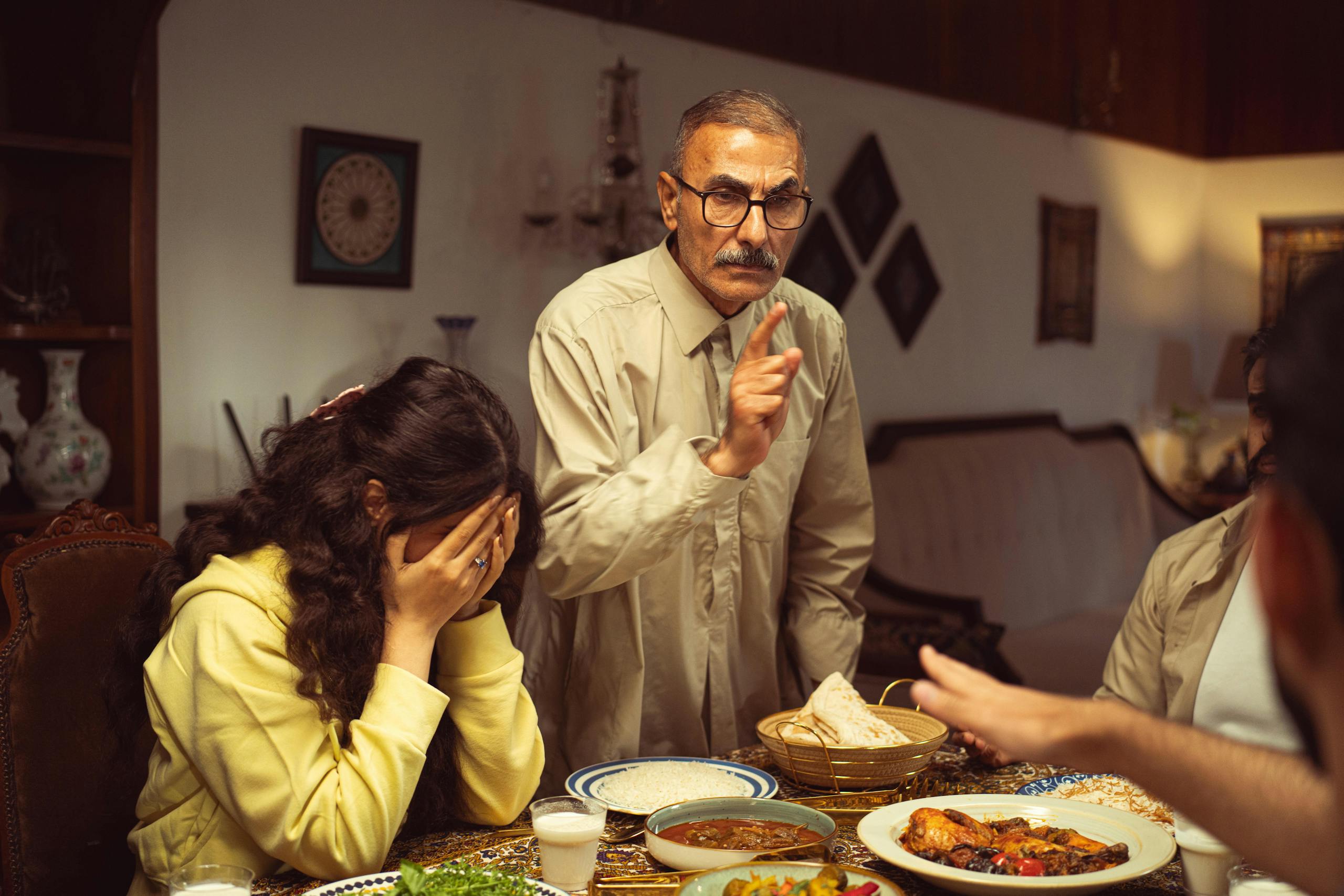
Chronic family stress from financial strain, substance abuse, mental health challenges, or unresolved trauma casts a long shadow on children’s well-being. Families without effective coping mechanisms or external support expose children to a continuous stream of tension.
Kids internalize adult stress, often feeling responsible for problems beyond their understanding, which can lead to anxiety, depression, and emotional dysregulation.The impact of persistent stress is subtle but cumulative.
Children may experience disrupted sleep, difficulty concentrating, and behavioral issues in school or social settings. Constant exposure to tension teaches them that uncertainty and pressure are normal, shaping how they interact with the world and approach challenges. Without intervention, chronic stress in the household can create a cycle of instability that continues across generations.
Isolation From External Support
Children in broken families often feel isolated, cut off from supportive networks like friends, extended family, teachers, or mentors. When adults fail to provide connections outside the immediate family, children lose critical emotional outlets and role models. This isolation can amplify feelings of loneliness, helplessness, and insecurity, increasing vulnerability to mental health issues.
Isolation compounds the other six risk factors, leaving children without guidance, perspective, or refuge from daily stress. Without exposure to safe, supportive relationships, they may internalize family dysfunction as normal, limiting their ability to build trust and resilience. Encouraging healthy connections outside the household is essential to counteract unsafe home dynamics and provide children with the security they need to grow.
Conclusion
Broken families do not automatically produce broken children, but consistent exposure to these seven patterns can create environments that feel unsafe emotionally, physically, and psychologically. Recognizing the signs of unresolved conflict, emotional neglect, chaos, harsh discipline, neglect, chronic stress, and isolation allows caregivers, educators, and loved ones to step in before patterns become ingrained.
With support, structure, and intentional care, children can recover from instability and thrive despite family challenges. Awareness is the first step toward change, and small, consistent actions, such as listening, validating, protecting, and guiding, can transform a home from a place of anxiety into a space of safety, growth, and possibility. Every child deserves that chance, and it starts with adults noticing the warning signs before it’s too late.