Reasons people leave religion are becoming more visible as modern adults rethink faith, morality, identity, science, politics, and personal freedom in a changing world.
Religion still matters deeply to billions of people, and that reality deserves respect.
Yet a growing number of adults are asking a hard question with fresh honesty: do we need organized religion to live meaningful, moral, peaceful, and emotionally whole lives?
The question is not about mocking believers. It is about examining why more people now step away from inherited faith and choose conscience, evidence, and personal responsibility instead.
The shift is visible in the data. In the United States, Pew Research Center’s 2023 to 2024 Religious Landscape Study found that 62% of adults identified as Christian, down from 78% in 2007, and 35% of adults had switched religions since childhood, with net gains for the religiously unaffiliated.
Globally, Pew also found that the religiously unaffiliated expanded as a share of the world’s population from 2010 to 2020 largely because many people left the religion in which they were raised.
Why Leaving Religion Behind Has Become a Modern Question
Leaving religion behind is rarely a single dramatic moment. For many people, it is a slow process of reading, questioning, comparing, hurting, healing, and realizing that a belief no longer fits the evidence or the life they are trying to build.
The old assumption that faith is inherited for life is weakening, especially in societies where people can compare traditions, access scholarship, and build community outside formal religious structures.
This does not mean people are becoming empty or careless. Many are replacing religious certainty with ethical responsibility, emotional honesty, civic duty, and intellectual humility.
Freedom of religion also includes freedom to change religion or belief, a principle recognized in Article 18 of the Universal Declaration of Human Rights.
Religion Often Depends on Inherited Belief Rather Than Personal Evidence
Many adults leave religion because they realize they did not choose it in the first place.
They inherited it from parents, culture, schools, neighbors, national identity, or childhood fear.
That does not automatically make a belief false, but it does raise a serious question: would we believe the same thing if we had been born in another country, another century, or another household?
This matters because religious confidence often follows geography. A child born in rural Alabama, Riyadh, Delhi, Nairobi, or Tokyo may grow up with very different ideas about God, salvation, sin, prayer, sacred texts, and the afterlife.
Each community may teach its children that its path is true. When adults notice this pattern, they begin to see how strongly belief can be shaped by birth rather than independent proof.
The modern mind is uncomfortable with inherited certainty. We do not accept medical, legal, or financial claims, not only because our grandparents believed them, but also because we do not.
We test them, compare them, and demand evidence. For many people, religion loses authority when it asks for lifelong loyalty without meeting the same standard of proof we require in every other serious area of life.
Ancient Sacred Stories Often Resemble Older Mythologies
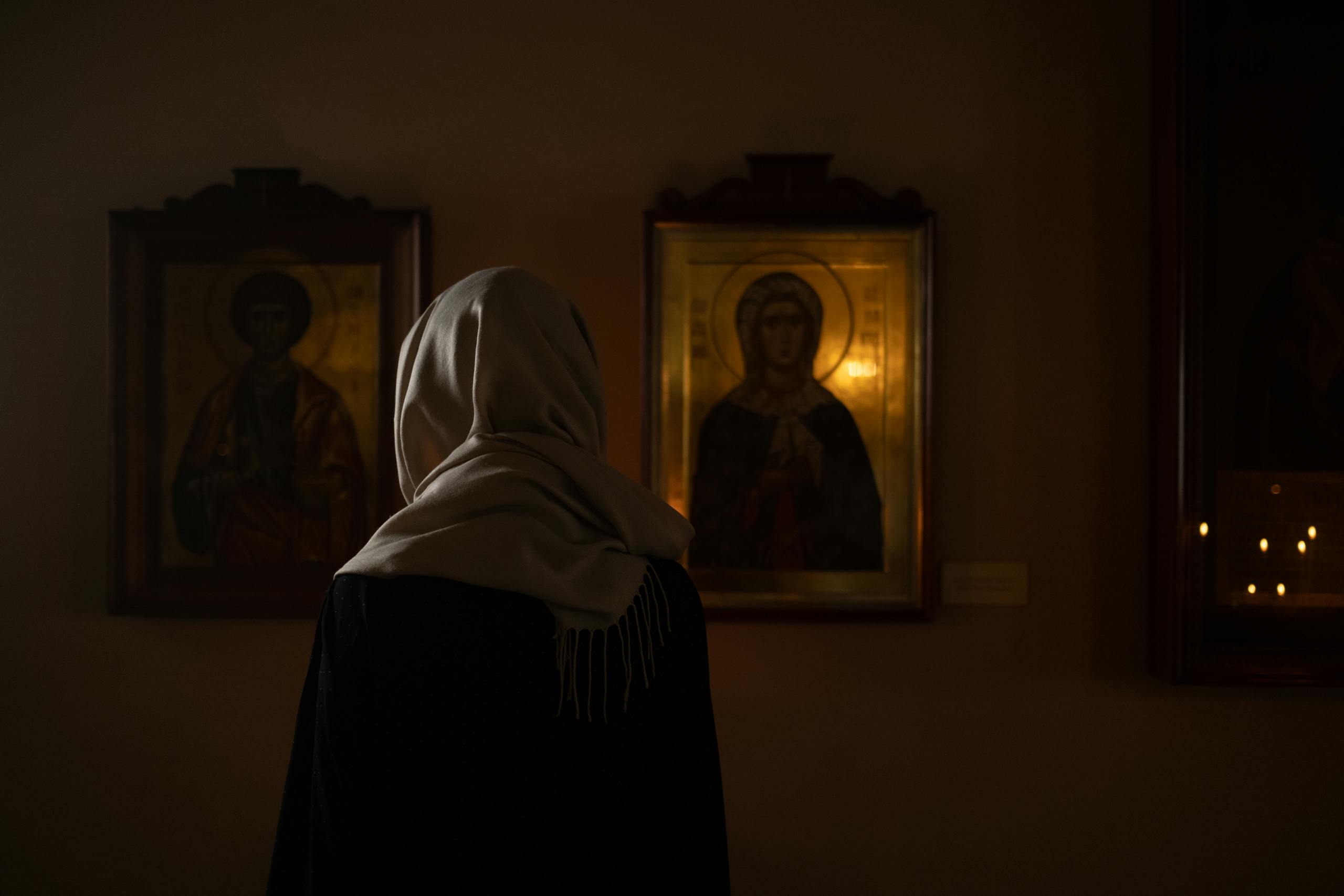
One major reason people leave religion behind is the discovery that many sacred stories are part of a much older human tradition of mythmaking.
Flood stories, dying-and-rising figures, divine births, heroic messengers, moral battles, heavens, underworlds, angels, demons, and final judgments appear across cultures.
These patterns do not prove every religion is false, but they do show that humans have long used stories to explain fear, death, nature, power, and hope.
That discovery can be unsettling. A believer may grow up hearing one sacred narrative as unique, literal, and final.
Later, they may study ancient Near Eastern, Greek, Roman, Egyptian, Norse, Hindu, Buddhist, or indigenous traditions and realize that people everywhere created spiritual explanations for the unknown. The stories may be beautiful, but beauty is not the same as historical certainty.
We can value myth without surrendering reason. Myths often preserve emotional truth, cultural memory, and moral warning.
The problem begins when ancient symbolic stories are treated as unquestionable scientific or historical records.
Many adults leave religion because they can admire sacred literature as human creativity without accepting it as divine instruction.
Religious Texts Can Clash With Modern Human Rights
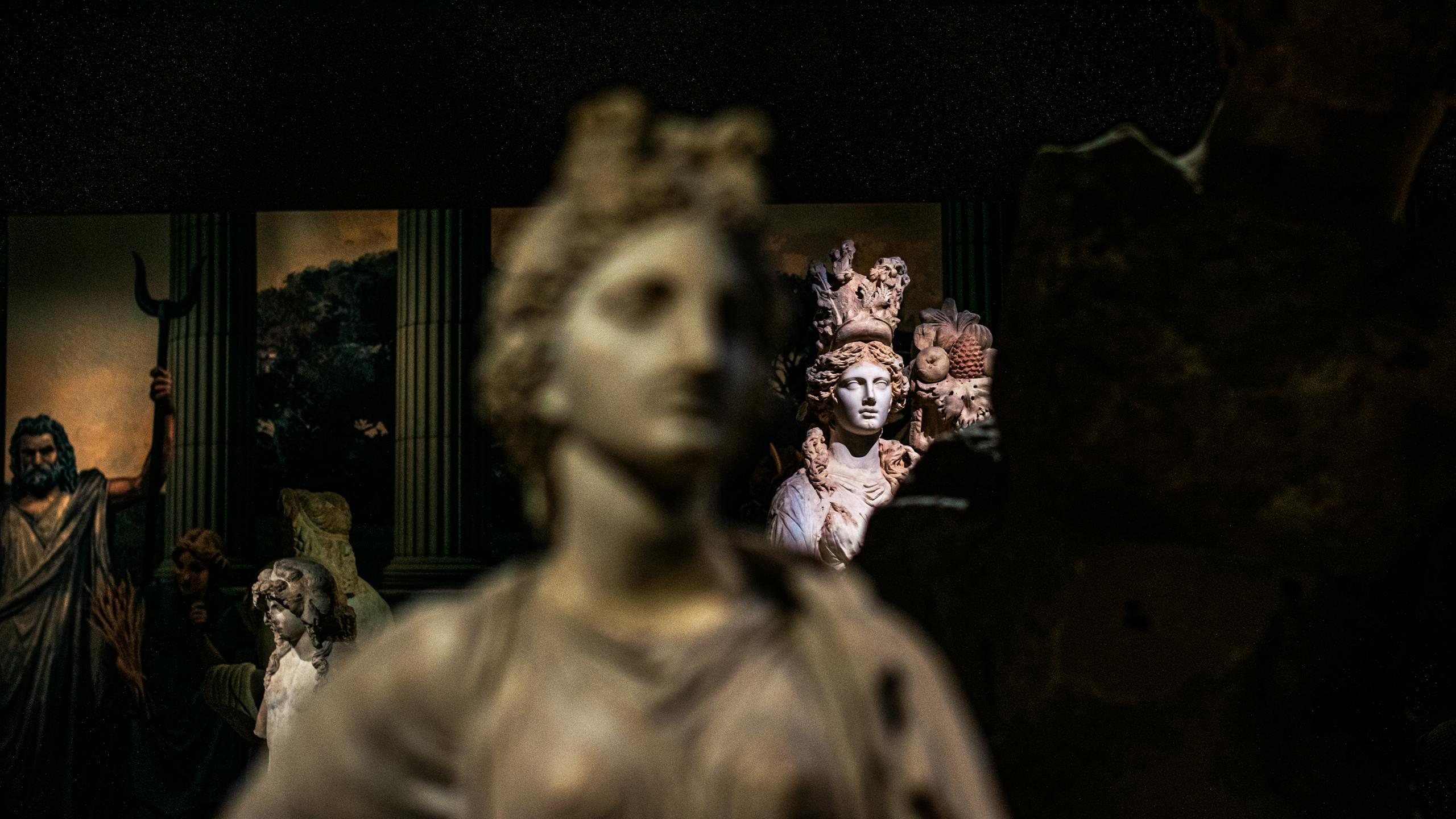
Religious texts often contain wisdom, poetry, discipline, and moral insight. They also contain passages that reflect the social values of ancient societies, including patriarchy, tribal violence, slavery, purity rules, harsh punishments, and unequal treatment of outsiders.
Many believers interpret these passages symbolically or historically, but others still use them to defend harmful social attitudes.
This creates a moral conflict. If a sacred text appears to permit something that modern conscience rejects, many adults ask whether morality came from the text or whether people improved their morality beyond the text.
Human rights language now emphasizes dignity, conscience, equality, and freedom of belief. International human rights standards protect the right to adopt, change, or reject religious beliefs without coercion.
That shift matters. People no longer want morality that depends on the ancient social hierarchy.
They want ethics that protect children, women, minorities, dissenters, outsiders, and unbelievers with equal seriousness.
When religion seems slower than society to defend human dignity, people begin to trust conscience more than doctrine.

Science Explains What Religion Once Claimed to Answer
Religion once explained thunder, disease, drought, fertility, eclipses, mental illness, disasters, and human origins.
Modern science does not answer every emotional or philosophical question, but it has explained much of the physical world with stunning accuracy.
Germ theory, evolution, astronomy, neuroscience, psychology, and climate science have reduced the need for supernatural explanations in everyday life.
This is one of the strongest reasons people leave religion. They do not necessarily lose wonder. They often gain it.
A universe explained through galaxies, deep time, biological evolution, and natural law can feel more awe-inspiring than one explained through miracles and punishment.
Science also changes the way we handle uncertainty. Religion often gives firm answers where evidence is incomplete.
Science admits what it does not know, tests ideas, corrects errors, and updates conclusions. For many adults, that humility feels more trustworthy than certainty that cannot be questioned.
Morality Does Not Require Belief in God
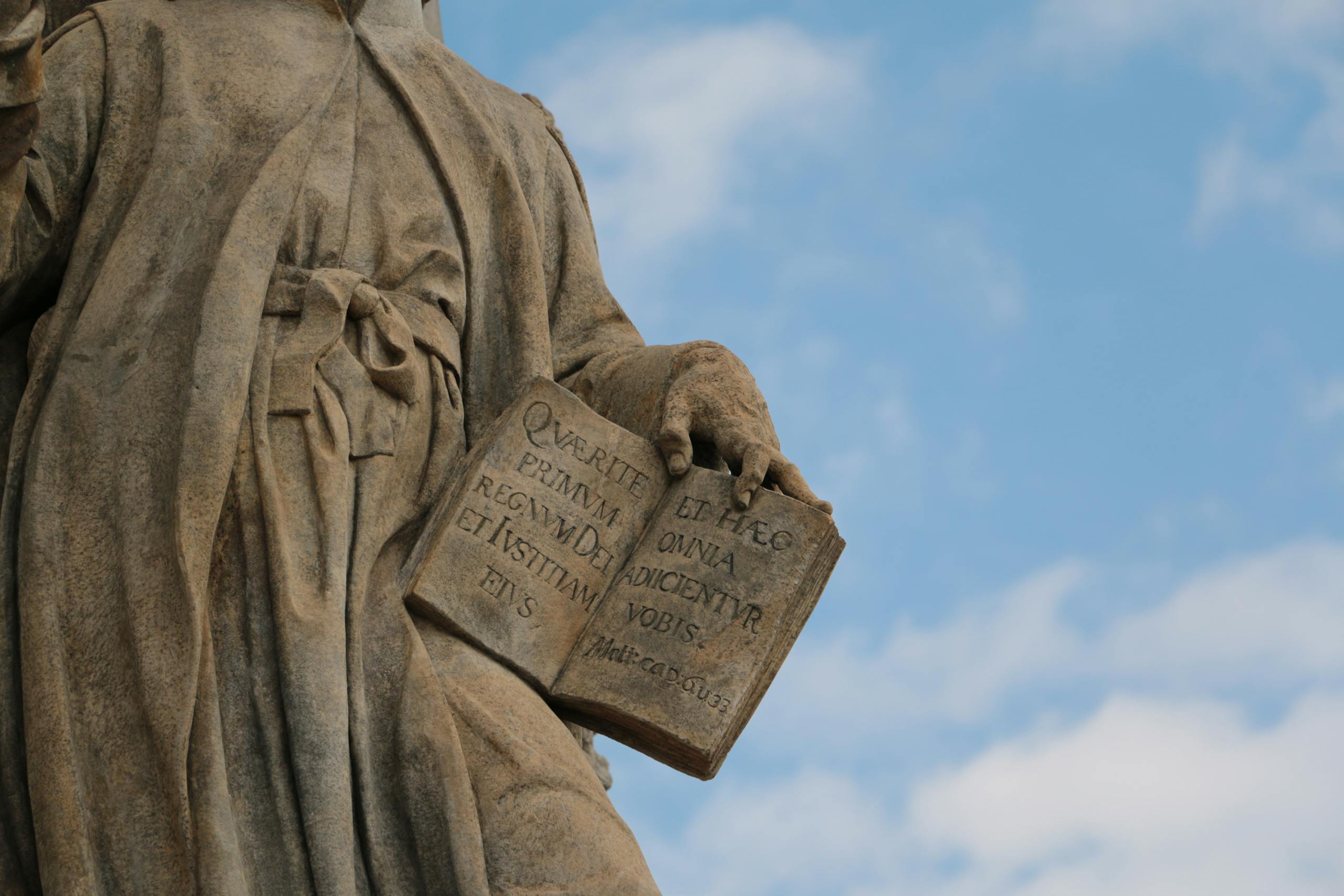
A powerful religious claim says people need God to be moral. Many modern adults no longer accept that. They see kindness, honesty, sacrifice, courage, and justice among believers and nonbelievers alike.
They also see cruelty, hypocrisy, abuse, greed, and violence among believers and nonbelievers alike. Moral character does not map neatly onto religious identity.
Recent survey data support that shift. Pew’s 2023 to 2024 Religious Landscape Study found that 68% of U.S. adults said it is possible to be moral and have good values without believing in God, while 30% said belief in God is necessary for morality.
Pew also reported in 2026 that, since 2020, about two-thirds of U.S. adults have held the view that belief in God is not necessary for morality.
This changes the conversation. If people can act morally because empathy, reason, social trust, and shared survival matter, then morality does not need supernatural enforcement.
We can do good because suffering is real, dignity matters, and other people are not props in our private spiritual drama.
Organized Religion Can Become Too Entangled With Power
Many people do not leave religion because they hate God. They leave because they have watched religious institutions chase influence, money, political access, and cultural control.
The problem is not private faith. The problem is institutional power wearing sacred language.
When religion merges with politics, it can turn disagreement into spiritual warfare. Policy debates become battles between the righteous and the wicked.
Opponents become enemies of God rather than citizens with different views. The U.S. First Amendment protects religious exercise while also barring government establishment of religion, a structure designed to prevent state power from turning one faith into a civic weapon.
That separation protects both believers and nonbelievers. It keeps the government from controlling churches, mosques, synagogues, temples, and spiritual communities.
It also keeps religious institutions from using public power to impose doctrine on everyone else. Many adults leave religion when they feel faith has become less about humility and more about control.
Religious Communities Can Punish Honest Questions
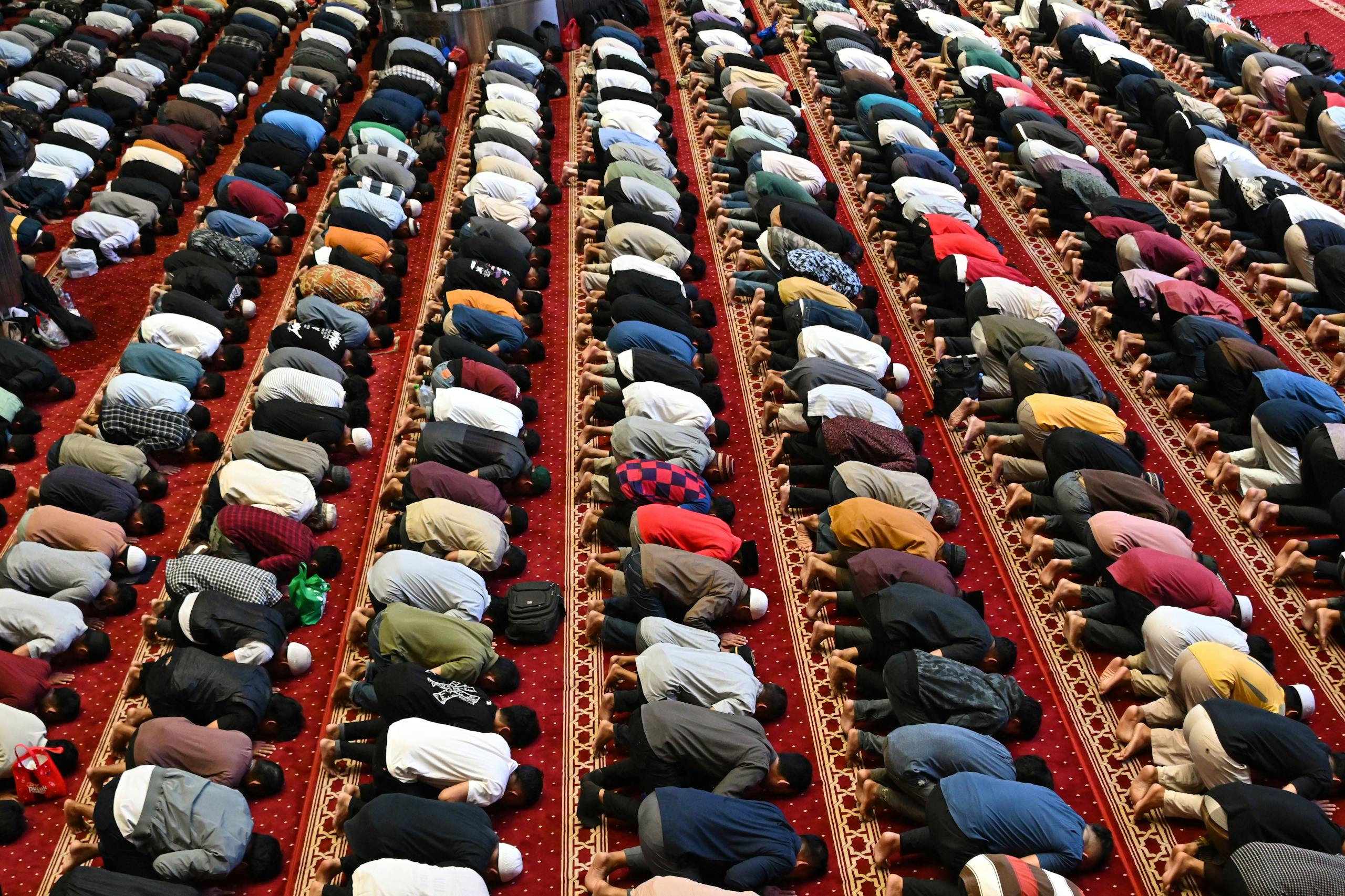
A healthy belief system should not fear sincere questions. Yet many people grow up in religious spaces where doubt is treated as rebellion, curiosity as danger, and disagreement as moral failure.
They learn to hide questions about scripture, sexuality, science, suffering, gender, prayer, history, or hypocrisy because asking too loudly could cost them family trust, social belonging, or spiritual safety.
That pressure can create emotional exhaustion. A person may spend years pretending to believe things they no longer believe because the social cost of honesty feels too high.
They may sit through sermons, rituals, prayers, and holidays while privately feeling trapped. Eventually, leaving religion becomes less like rebellion and more like breathing again.
This is especially true in high-control communities. When leaders discourage outside information, shame independent thought, or frame doubt as demonic influence, people begin to recognize the pattern as control rather than care.
A faith that cannot survive questions often loses people who value truth more than approval.
Prayer Can Feel Unreliable in the Face of Real Suffering
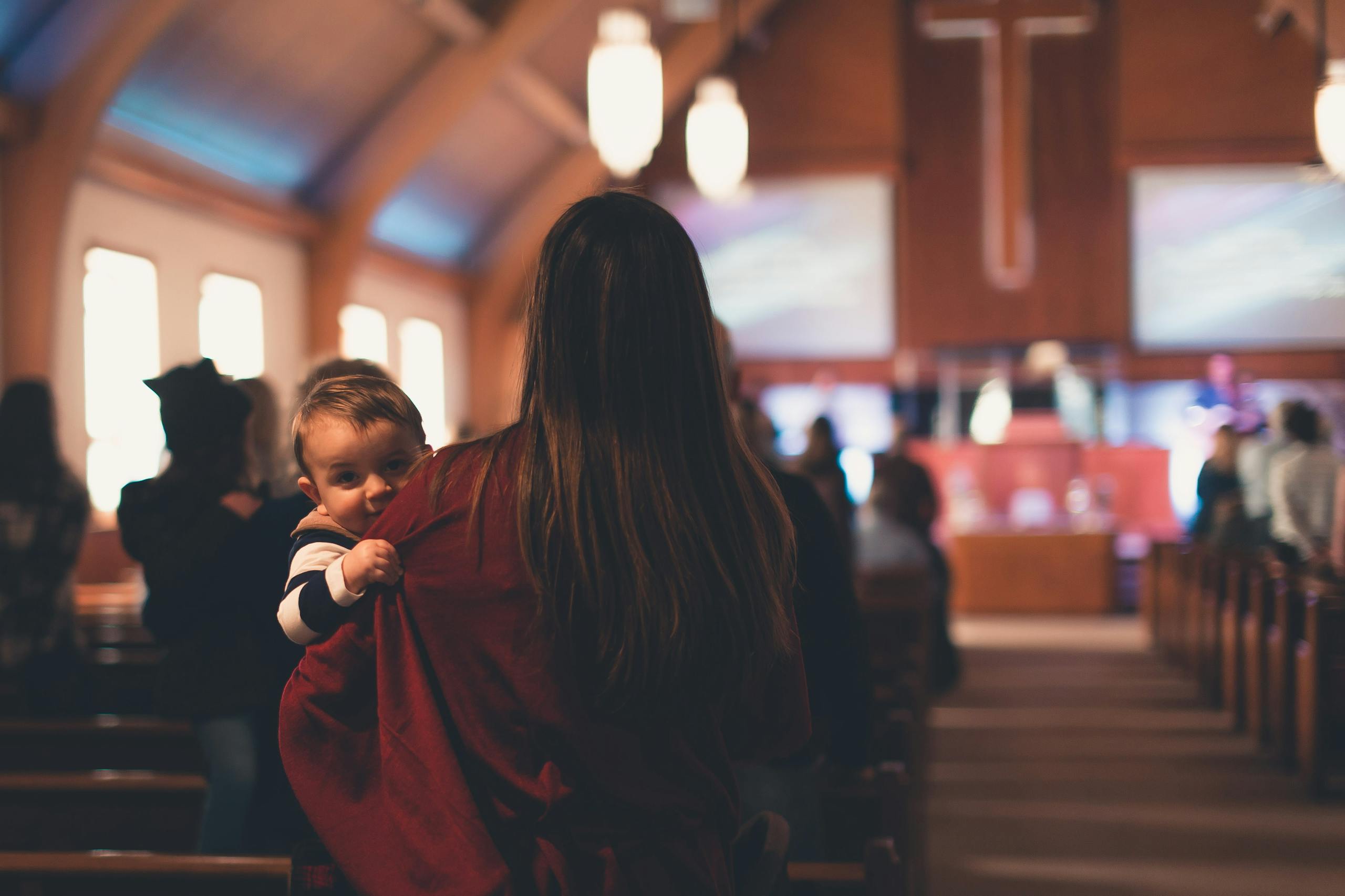
Prayer gives comfort to many people, and that comfort should not be dismissed. The difficulty begins when prayer is presented as a reliable way to change outcomes.
People pray for healing, safety, food, justice, jobs, children, peace, and protection. Sometimes things improve. Sometimes they do not. Over time, many adults struggle with the randomness.
If a child survives, people may call it a miracle. If another child dies, they may call it God’s will.
That explanation may comfort some, but others find it morally and intellectually painful. It can make divine action seem indistinguishable from chance.
This is one reason suffering breaks religious certainty. People can endure mystery, but they struggle with selective miracles.
They ask why an all-powerful, loving God would answer small personal requests while leaving war, abuse, famine, disease, and disaster untouched.
For many, the most honest answer is that humans must stop waiting for supernatural rescue and take responsibility for one another.

The Afterlife Can Distract Us From the Life We Know We Have
Religion often promises heaven, paradise, reincarnation, judgment, reunion, or cosmic justice. These beliefs can comfort people facing grief and death. Yet they can also shift focus away from the present world.
If this life is treated as a test, a waiting room, a battlefield, or a temporary inconvenience, people may become less urgent about improving it.
Many adults leave religion because they want to build meaning here and now. They want love without fear of eternal punishment. They want justice without waiting for another realm.
They want grief without forced certainty. They want to admit that death is painful and still choose to live deeply.
A life without a guaranteed afterlife can become more precious, not less. Time matters more when it is finite.
Kindness matters more when this may be the only chance to offer it. Leaving religion behind can push people toward responsibility rather than despair, because the present becomes sacred in a human sense.
Community Can Exist Without Religious Belief
One fear keeps many people tied to religion long after belief fades: the fear of losing community.
Religious communities often provide friendship, childcare, music, food, rituals, emotional support, shared identity, and help during a crisis. Those benefits are real. The mistake is assuming religion is the only way to have them.
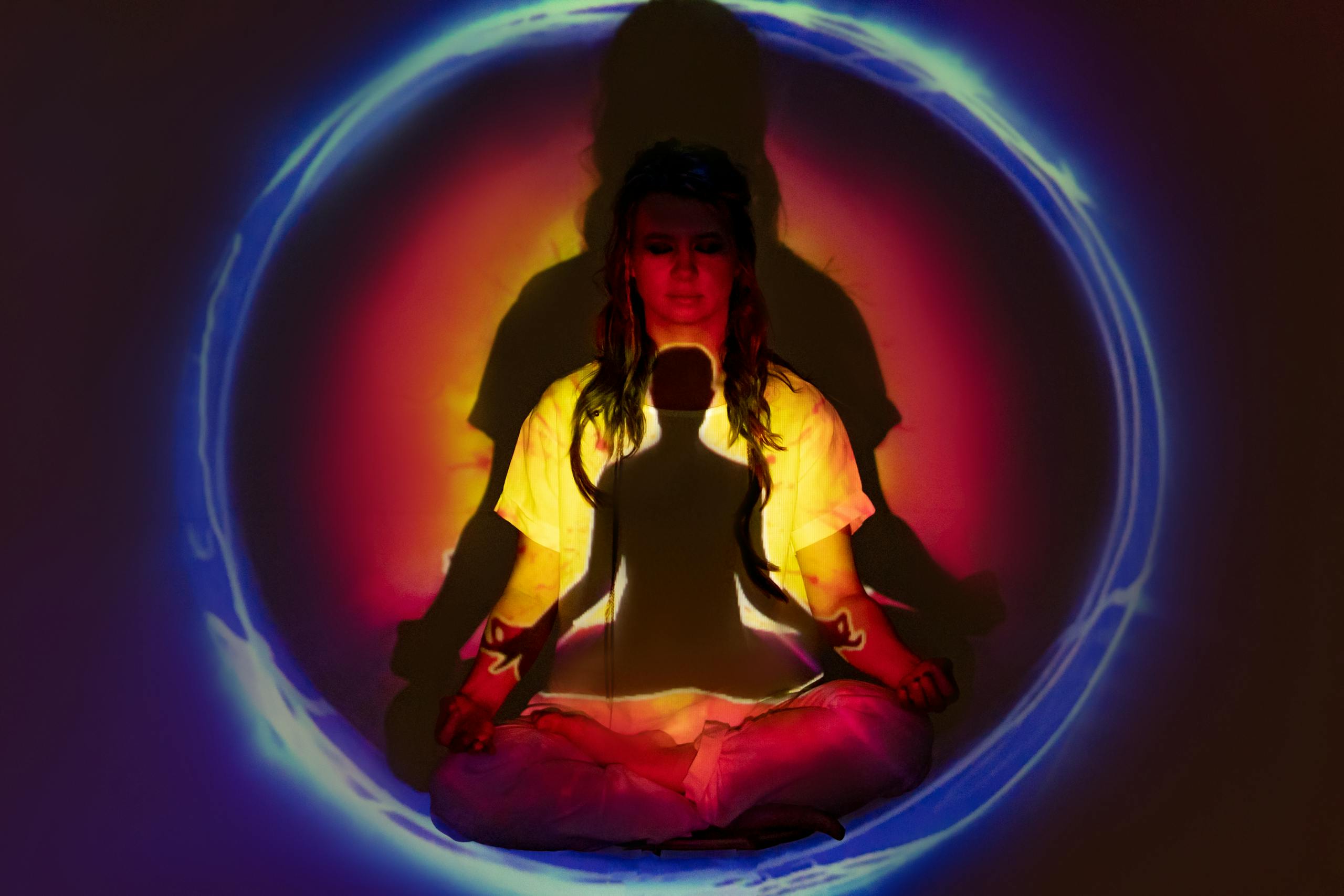
Modern adults are building secular and mixed belief communities through volunteering, recovery groups, neighborhood networks, creative circles, sports, mutual aid, online spaces, ethical societies, family traditions, and civic organizations.
These communities may not have hymns or holy books, but they can still offer a sense of belonging, purpose, and service.
This is where leaving religion becomes constructive rather than empty. People are not simply walking away from belief. They are learning to rebuild meaning on human terms.
They can celebrate births, mourn deaths, feed neighbors, forgive enemies, protect children, and serve the vulnerable without claiming divine instruction.
The Strongest Case for Leaving Religion Behind
The strongest case for leaving religion behind is not anger. It is maturity. We can respect religious people while rejecting the idea that ancient authority should outrank evidence, conscience, equality, and human freedom.
We can appreciate sacred art, ritual, music, architecture, charity, and community while admitting that organized religion has no automatic claim over truth.
The modern case is simple: we should believe carefully, act ethically, question honestly, and refuse coercion. We should not need fear of hell to behave with decency.
We should not need religious identity to love our families. We should not need divine command to oppose cruelty. We should not need ancient permission to defend human dignity.
Conclusion
Leaving religion behind is not always a loss of meaning. For many adults, it is the beginning of a more honest relationship with meaning.
It allows people to separate morality from fear, community from doctrine, wonder from superstition, and identity from inherited obligation.
The future will not belong only to believers or nonbelievers. It will belong to people who can live with intellectual honesty, moral courage, and respect for conscience.
Religion may continue to comfort many, but no one should be forced to treat inherited belief as the only path to goodness. We can build humane lives centered on reason, compassion, responsibility, and freedom.