A traffic stop can turn a normal Tuesday into a full-body stress test. Your hands feel awkward, your voice sounds strange, and your brain suddenly forgets where the registration is.
Most people are not criminals. They are tired parents, late workers, college students, delivery drivers, commuters, or neighbors heading home with groceries in the back seat.
Still, certain habits can make innocent people look suspicious when police are already watching closely. That does not mean nervous behavior proves guilt. It means fear, confusion, and poor timing can make a simple encounter feel more tense than it needs to be.
The safest goal is not to perform innocence like an actor. It is to stay calm, avoid sudden moves, know your rights, and keep the moment from getting messier.
Acting Too Nervous and Then Trying to Hide It
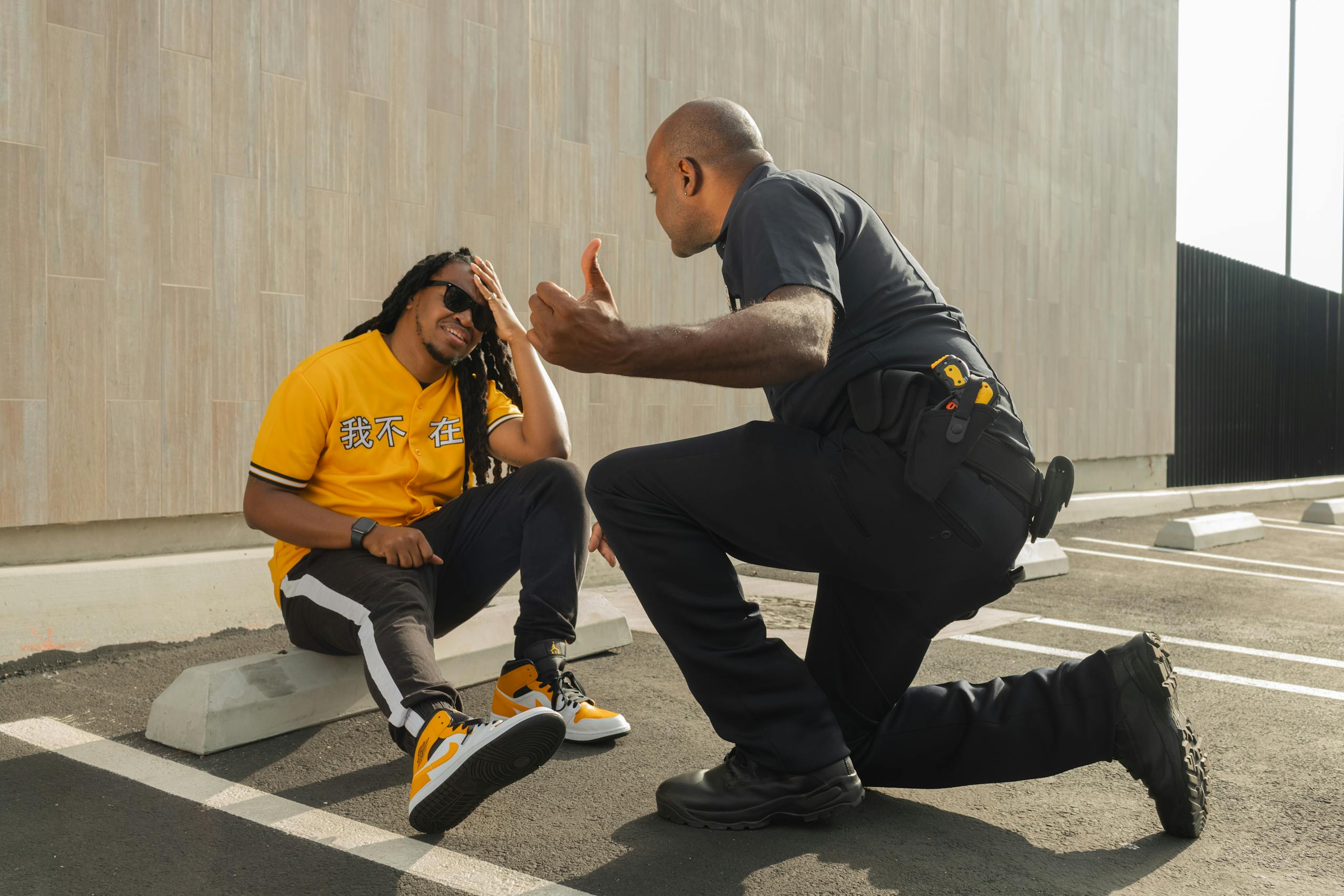
Nerves are normal during a police encounter. The flashing lights, uniform, questions, and uncertainty can make anyone sweat, shake, or stumble over words. The problem begins when a person tries too hard to hide that anxiety and starts acting stiff, jumpy, or strangely rehearsed.
Police may notice nervous behavior, even though it does not, by itself, prove anything. Courts have recognized that nervous evasive behavior can sometimes matter in a larger suspicion analysis. That makes it smarter to breathe, slow down, and speak plainly instead of trying to look perfectly calm.
Reaching Around Before Explaining What You Are Doing
A person may simply be reaching for a wallet, phone, insurance card, or registration. From an officer’s viewpoint, fast hands can create uncertainty. That tiny gap between your intention and what they see can shift the mood quickly.
Keep your hands visible until you are told what is needed. If something is in the glove box, back pocket, purse, or center console, say where it is before reaching for it. Calmly narrating your movements can prevent a harmless action from appearing threatening.
Talking Too Much Because Silence Feels Awkward
Innocent people often talk too much because they want to clear things up fast. They explain where they came from, where they are going, who they were with, why they are nervous, and what they think happened. The more they talk, the more chances they create for confusion or inconsistency.
You can be polite without filling every quiet second. People have the right to remain silent, though they may need to identify themselves depending on the state and situation. A calm, simple answer is usually better than a nervous speech.
Changing Your Story Over Small Details

Stress plays tricks on memory. You might say you left work at 6:15, then remember it was closer to 6:40. You might describe a street wrong, mix up a friend’s name, or correct yourself halfway through.
To police, changing details can sound like hiding something, even when it is just human memory under pressure. If you are unsure, say so. Guessing to sound helpful can backfire when the guess turns out wrong.
Running Away Because Panic Takes Over
Flight can feel instinctive when someone is scared, embarrassed, or unsure what is happening. A teenager might run because friends are watching. An adult might walk away too fast because they fear being blamed for something nearby.
That choice can turn suspicion up fast. Sudden flight has been treated as a factor police may consider in some circumstances, especially when other details are present. Staying calm and asking whether you are free to leave is safer than letting panic choose your next move.
Refusing a Search in a Confusing Way
People may have the right to refuse consent to a search in many situations. The mistake is not the refusal itself. The mistake is getting angry, insulting the officer, physically blocking the search, or sounding like you are hiding something because you do not know how to say it clearly.
A steady sentence works better than a heated argument. Say you do not consent, then avoid resisting physically. Knowing consent search rules can help innocent people protect their rights without turning the encounter into a shouting match.
Forgetting That Passengers Can Raise Suspicion Too

Drivers often focus only on themselves during a stop. Meanwhile, a passenger may keep moving, whispering, filming aggressively, reaching under the seat, or arguing from the back. That can make the entire car feel more unpredictable.
Passengers should stay calm, too. Visible hands, quiet voices, and no sudden movements can keep the situation from escalating. One person’s nervous behavior can affect everyone in the vehicle.
Making Jokes That Sound Like Confessions
Humor is a common stress response. Someone might joke, “You caught me,” “I swear it’s not mine,” or “I guess I look guilty,” thinking it will lighten the mood. At the wrong moment, the joke can land like a clue.
Police encounters are not the place for edgy comedy. Sarcasm can be misunderstood, written down, or repeated later without the tone that made it seem harmless. Keep the conversation clear, respectful, and boring.
Trying to Explain Away Every Coincidence
Innocent people hate coincidences because coincidences sound bad. Maybe you’re near a reported incident. Maybe your car matches a description. Maybe you know someone involved. Panic can push you into overexplaining before you even understand the question.
That is risky because overexplaining can create new questions. It can also lead to statements that are later misunderstood. False admissions and misunderstood statements matter because false confession cases show that innocent people can still say damaging things under pressure.
Forgetting That Police Encounters Are Common and Stressful
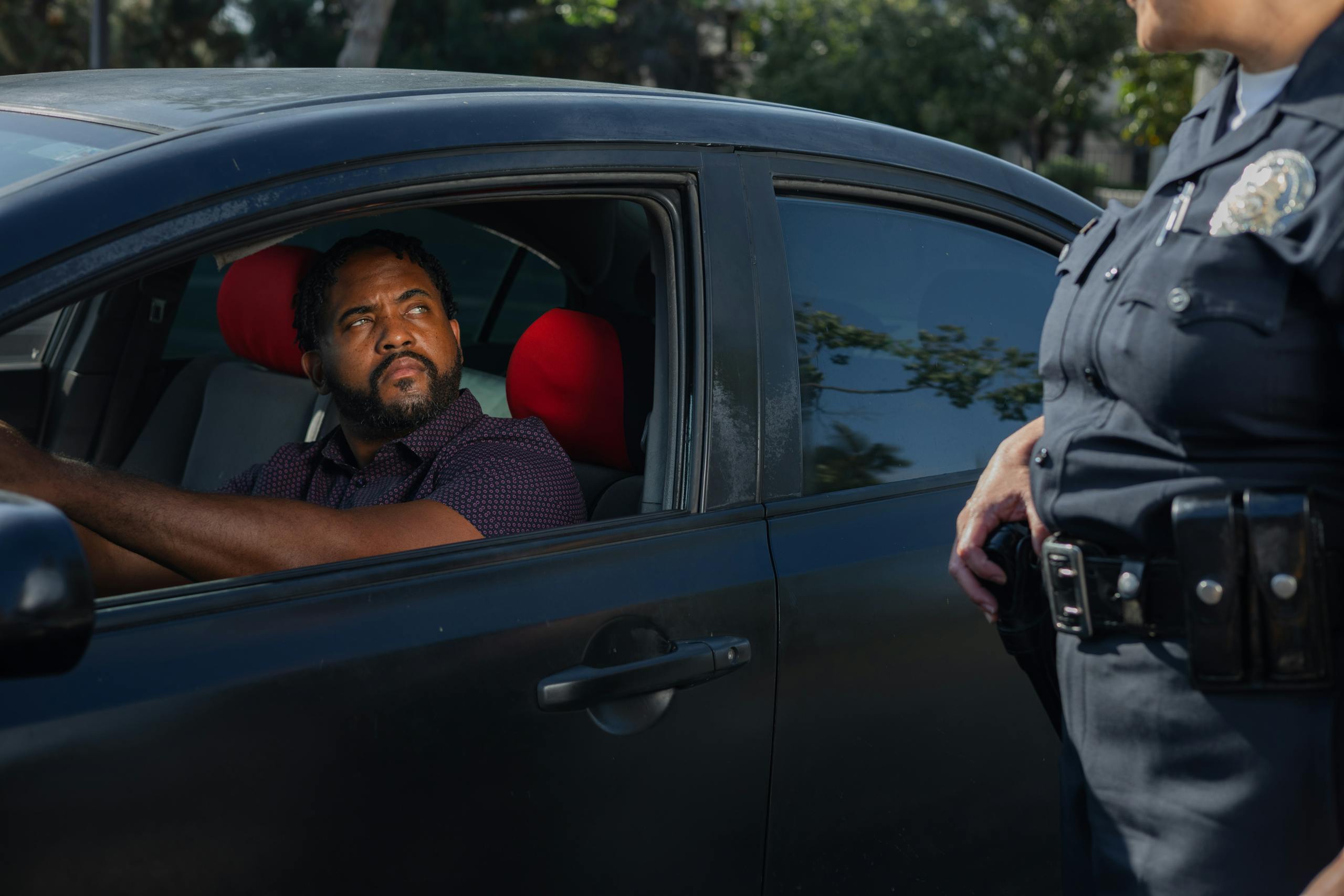
A police stop can feel rare and personal, but millions of Americans experience police contact in a given year. That matters because ordinary people often walk into these moments unprepared, anxious, and unsure of the rules.
Recent national data found that police public contact still affects a large share of U.S. residents. Preparation does not mean expecting the worst. It means knowing how to stay calm when the unexpected happens.
Conclusion
The hardest part is that innocent people are often treated suspiciously for no good reason. Fear can look like guilt. Confusion can sound like lying. A nervous joke can land badly. A fast reach can create alarm.
None of this means police should assume guilt from anxiety, silence, or awkward behavior. It means regular people should protect themselves with calm habits, clear words, and basic awareness.
Keep your hands visible. Speak simply. Do not run. Do not argue physically. Ask clear questions. Use your rights calmly. The goal is not to act perfectly. It is to avoid turning an already stressful moment into something worse.