Eating out became a budget nightmare so quietly that many Americans barely noticed until the check landed like a small emergency. One casual dinner now feels less like a treat and more like a financial plot twist. The pain starts with higher menu prices, sneaky extras, and habits that make every meal out cost more than expected.
Many diners still want the comfort of restaurants, even as spending power feels squeezed. The National Restaurant Association says demand remains strong, yet many consumers would visit more often if they had more disposable income. That tension explains why eating out became a budget nightmare for households trying to enjoy life without wrecking the week.
Menu Prices Keep Climbing
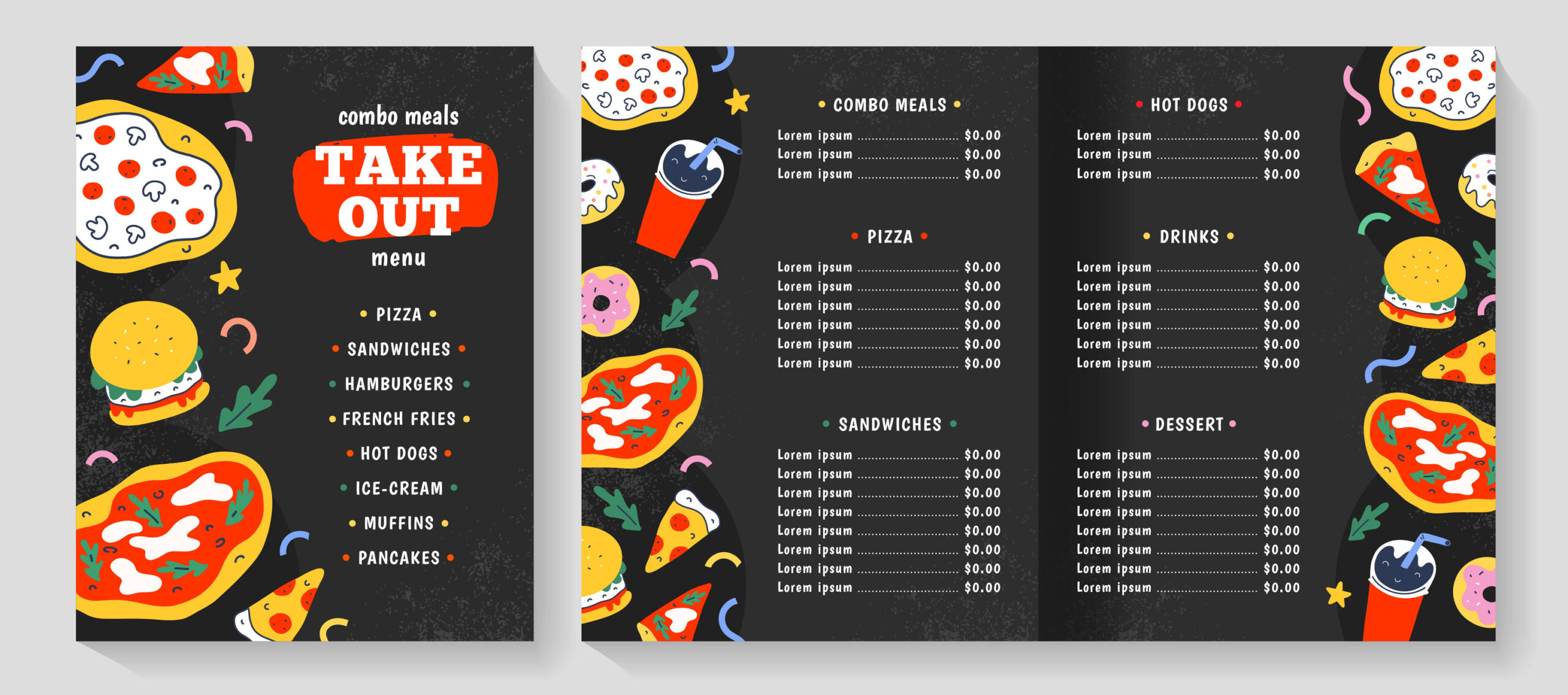
Restaurant prices keep rising, and diners feel it before they even order. Recent federal data shows food away from home continued to rise, making casual meals feel heavier on the wallet. That means even familiar places can now feel strangely expensive.
The shock hits harder because people remember what meals used to cost. A burger, pasta bowl, or breakfast plate can look ordinary and still carry a painful price. Is it dinner, or did the menu apply for a luxury permit?
Restaurants face higher costs, too, so they pass some of the pressure onto customers. Labor, rent, insurance, supplies, and ingredients all shape the final bill. Diners may understand that, but understanding does not make the card swipe hurt less.
Drinks Turn The Bill Into A Trap
Drinks can quietly inflate a restaurant bill faster than the main course. Soda, cocktails, coffee, lemonade, and fancy mocktails often look harmless beside food. Then the receipt arrives, and everyone remembers water exists.
Many people order drinks because eating out feels like a small escape. The drink creates the mood, and the mood says yes before the budget says wait. FYI, the budget rarely enjoys surprises.
This habit gets worse with refills, specialty names, and social pressure. Nobody wants to be the person nursing tap water like a financial monk. Still, drinks can turn a simple meal into a budget ambush.
Delivery Fees Make Convenience Costly
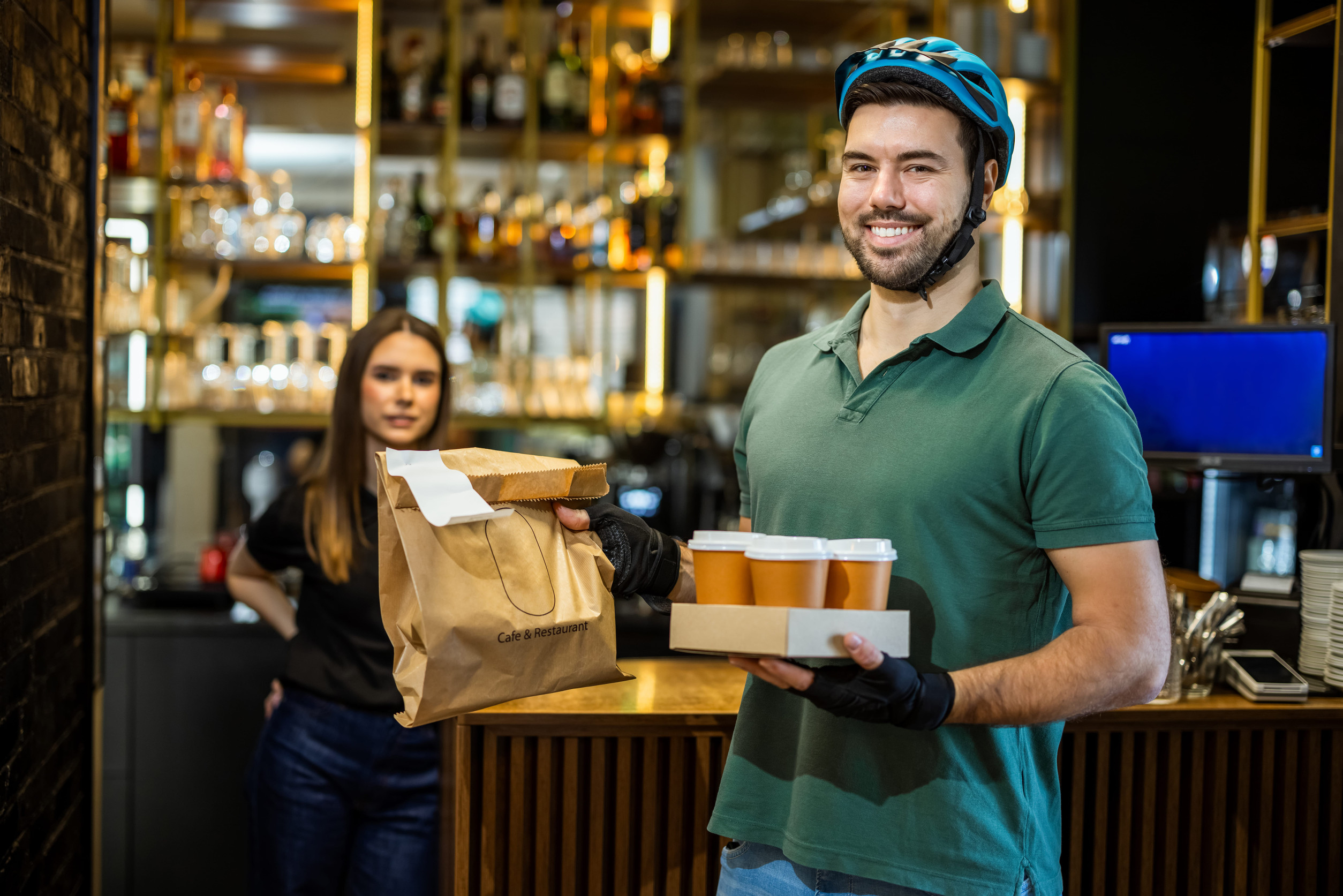
Delivery once felt like a smart little treat after a long day. Now it can feel like paying rent to a sandwich. Service fees, delivery fees, tips, and menu markups can all stack up quickly.
Online ordering also encourages impulse choices. Many platforms make it easy to add sides, drinks, desserts, and upgrades. That tiny tap can become a full financial confession by checkout.
Convenience still has value, especially after exhausting workdays. The problem starts when delivery becomes the normal dinner plan. At that point, the couch meal may cost more than the restaurant table.
Tips Feel More Complicated Than Ever
Tipping now extends to more places than before. Counter service, coffee shops, takeout screens, and casual food spots often ask for extra at checkout. Many customers feel awkward, even when the service takes less time than unlocking a phone.
The pressure feels emotional because nobody wants to look cheap. A tablet turns around, everyone can see the screen, and suddenly the diner faces a moral exam. Who knew buying a muffin required courage?
Service workers deserve fair pay, and customers know that. Still, tipping fatigue adds to the stress of restaurant spending. The meal no longer ends with food, because guilt sometimes shows up for dessert.
Portions Shrink, But Prices Stay Bold
Some diners feel like portions have changed, even when prices have not softened. Smaller servings, fewer sides, lighter toppings, and thinner extras can make meals feel less satisfying. That creates the worst combo: high cost and low fullness.
Restaurants may adjust portions to manage rising ingredient costs. Customers may not see the business math, but they see the plate. When fries look lonely, people notice.
This pushes diners to order more. A side dish becomes necessary, dessert starts whispering, and the bill grows again. The restaurant wins the upsell, and the budget leaves in shambles.
Kids’ Meals No Longer Feel Cheap
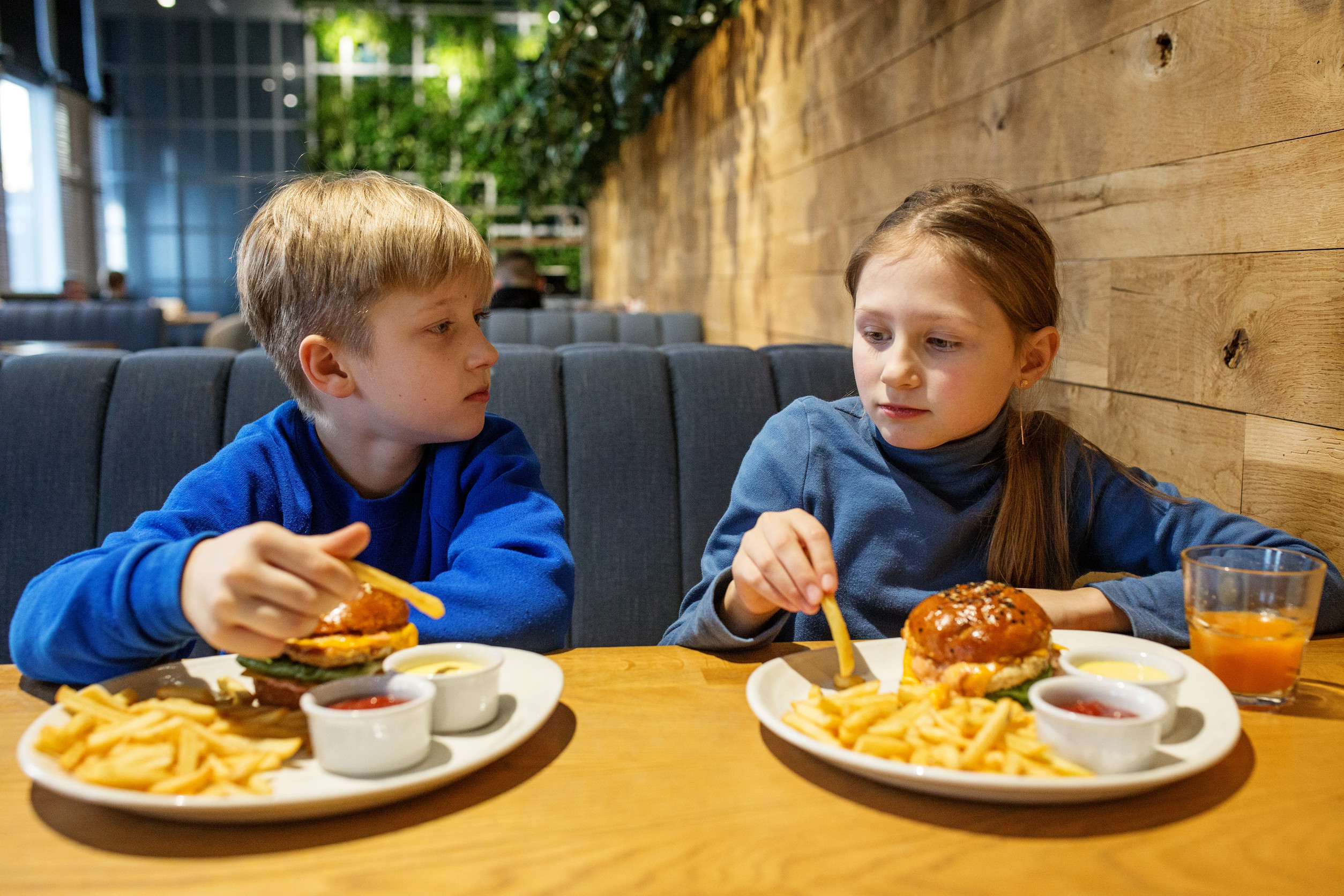
Families often feel the restaurant squeeze harder than solo diners. A simple outing can multiply fast when children need meals, drinks, sides, and maybe dessert. Suddenly, a casual dinner feels like funding a tiny banquet.
Parents also pay for convenience and peace of mind. After work, school runs, homework, and chores, sitting down somewhere else can feel priceless. Sadly, the receipt reminds everyone that priceless was not the actual policy.
Family dining used to feel like an easy break. Now, many parents weigh the cost before leaving home. Is it fun, or is it just dish avoidance with a service charge?
Social Pressure Keeps People Spending
Eating out often carries social meaning. Friends meet there, couples date there, coworkers bond there, and families celebrate there. Saying no can feel like rejecting the people, not just the bill.
That pressure can make diners ignore their limits. Nobody wants to kill the vibe by mentioning rent, groceries, or the electric bill. IMO, adulthood already has too many plotlines.
Restaurants become emotional spaces, not just food spaces. People pay for connection, memory, atmosphere, and relief. The problem begins when the social moment keeps winning over the financial truth.
Inflation Changed The Meaning Of A Treat
A restaurant meal used to feel like a manageable reward. Now, many diners treat it like a decision that needs strategy. USDA forecasts still show food-away-from-home costs rising, so the pressure has not vanished.
That changes the mood of eating out. People scan menus differently, skip appetizers, split dishes, and calculate tips before ordering. Fun becomes math, and nobody invited math to dinner.
The emotional shift matters. A treat should feel light, not weighed down by second-guessing. When joy starts needing a spreadsheet, burnout wins.
Value Menus Feel Less Valuable
Value menus once helped diners feel in control. Now, many deals feel smaller, stricter, or less exciting. People still hunt for bargains, but the savings may not stretch as far.
Restaurants promote bundles, apps, rewards, and limited specials to keep customers interested. Those offers can help, but they also train diners to chase deals. The meal starts to feel like a game with confusing rules.
A deal only works when it fits the budget and the appetite. Ordering extra just to reach a reward can backfire. The cheapest meal is not always cheap if it makes you buy more.
Conclusion
Eating out became a budget nightmare because many small pressures now work together. Menu prices, drinks, fees, tips, shrinking portions, and social pressure all push the bill higher. No single choice causes all the damage, but together they turn dinner into a wallet workout.
That does not mean people should stop enjoying restaurants. Food connects people, creates memories, and gives tired households a break. The smarter move is to plan the meal before the menu starts flirting with your card.
Choose water more often, check prices first, skip unnecessary extras, and save delivery for days that truly need it. Share dishes when portions allow, use deals carefully, and set a spending limit before hunger starts negotiating. Restaurants can still feel joyful, but your budget should leave the table alive.