Gas stations look simple until the receipt prints. We pull in, pick a pump, tap a card, choose a fuel grade, and drive away feeling like the price is the price. But much of the money we lose at the pump does not come from a single giant mistake. It comes from small habits repeated every week.
That matters even more now, because fuel is no longer a small household expense. AAA listed the national average for regular gasoline at $4.507 per gallon on May 25, 2026, with premium at $5.365 and diesel at $5.599. That gap between regular and premium alone can punish drivers who choose the wrong button at the pump.
The good news is that we do have more control than it feels like we do. We cannot control oil markets, refinery issues, or state fuel taxes, but we can stop paying extra by avoiding poor planning, bad driving habits, and easy-to-miss pump choices. These gas station mistakes quietly drain money from everyday drivers.
Buying Premium Gas When the Car Only Needs Regular
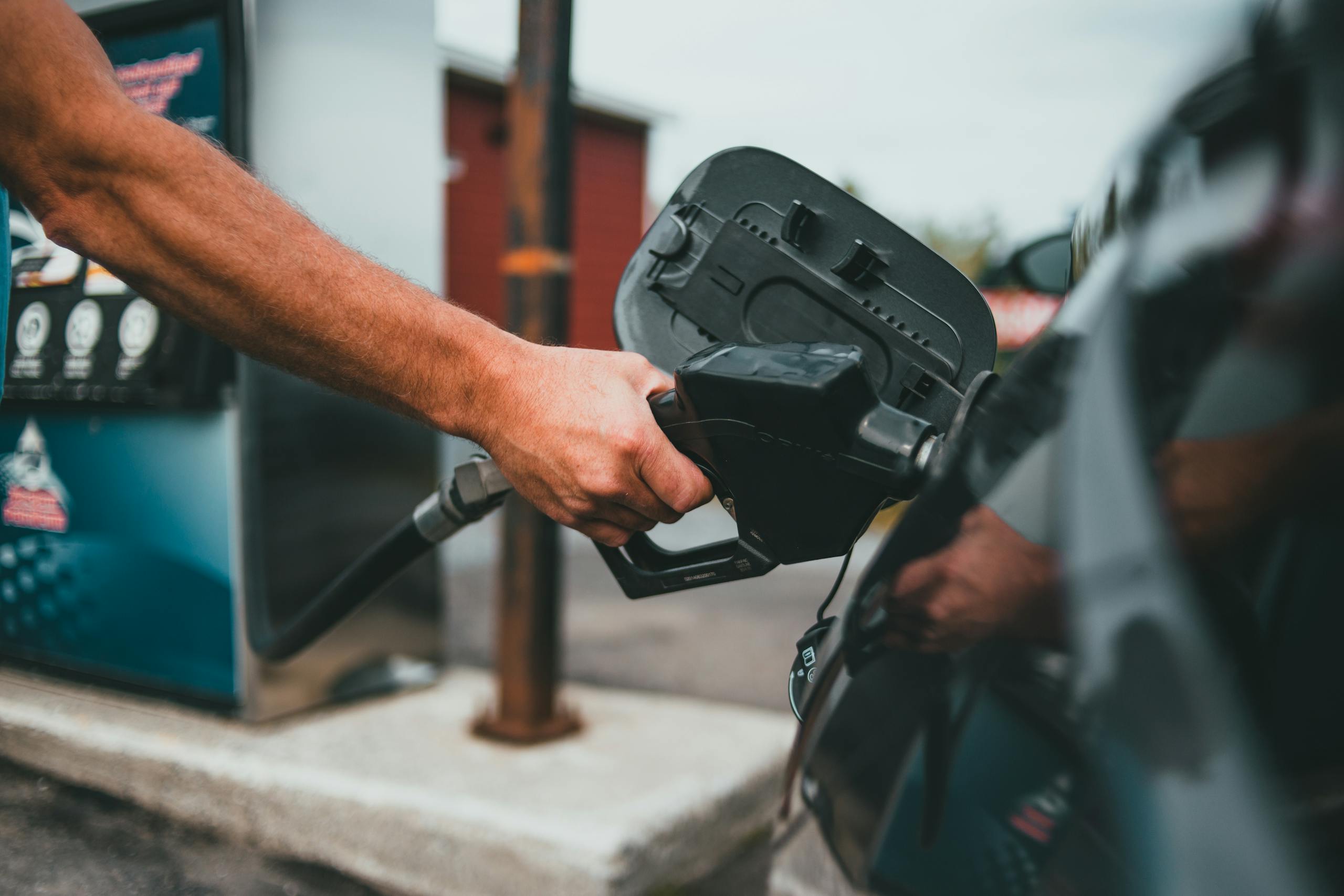
Premium gas sounds like a luxury upgrade, but for many vehicles, it is just a pricier choice. The Federal Trade Commission says most cars are designed for regular octane, and using higher-octane fuel than the owner’s manual recommends usually does not improve speed, mileage, engine cleanliness, or performance. Premium may matter for vehicles that require it, but “recommended” and “required” are not the same thing.
This mistake becomes expensive fast because premium often costs far more per gallon than regular. AAA’s national fuel-price table showed premium at $5.365 and regular at $4.507 on May 25, 2026, which creates a difference of about 86 cents per gallon. For a 15-gallon fill-up, that is roughly $12.90 extra each time we choose premium without a real need.
Chasing Cheap Gas Too Far Away
Driving several miles out of the way to save a few cents per gallon can wipe out those savings before the nozzle clicks off. This is one of the most common gas-station mistakes because it seems frugal on the surface. The math often says otherwise.
We need to compare the savings with the fuel burned on the way there. Saving 5 cents per gallon on a 12-gallon fill-up saves only 60 cents. If the detour burns more than that in fuel, time, and wear, the cheaper station is not really cheaper. The best gas deal is usually the low-priced station along our normal route.
Falling for Car Wash Discounts You Did Not Need
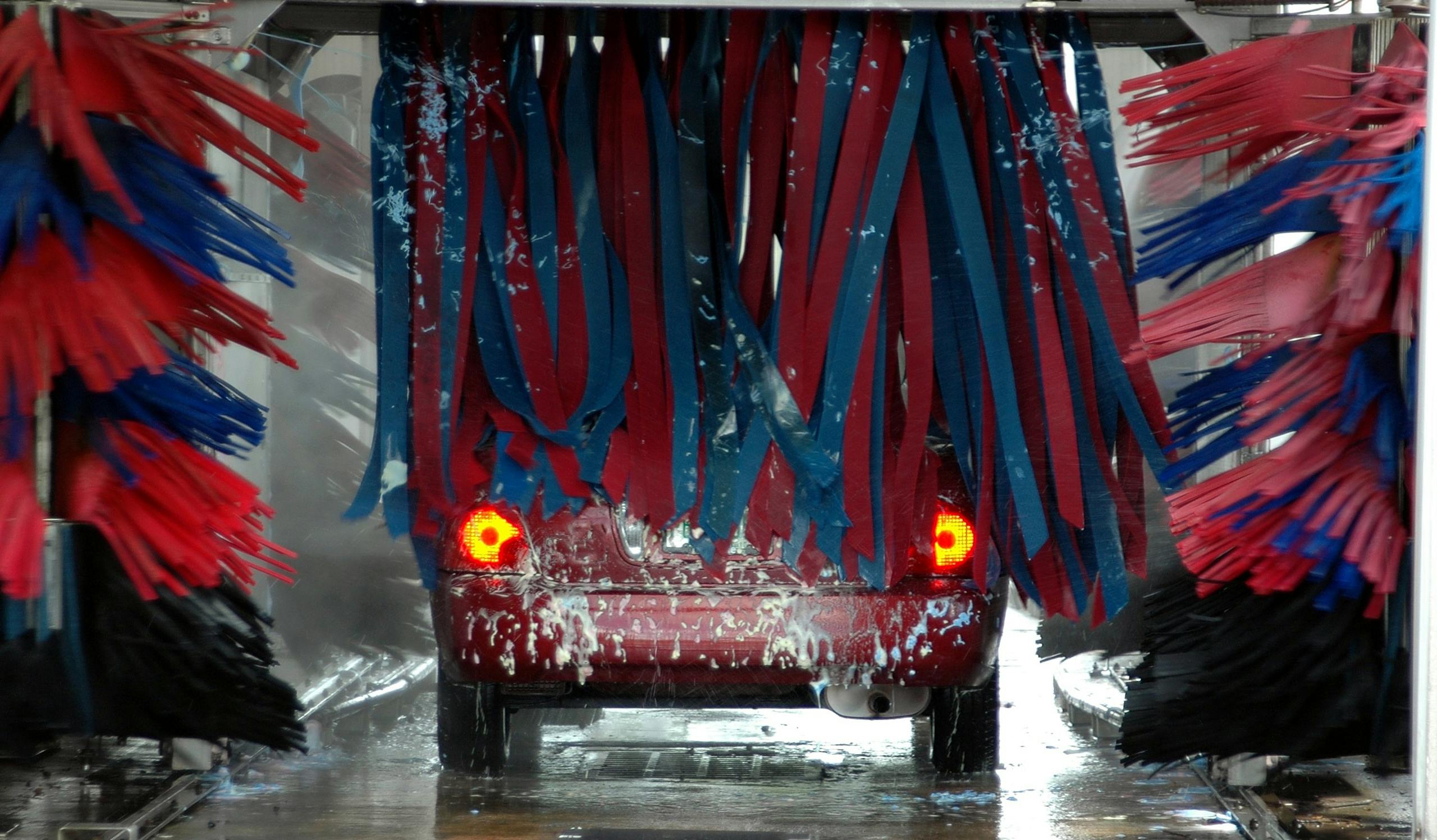
Pump screens love upsells. A car wash discount can sound like savings because it offers a few cents off per gallon. But if we did not need a wash, the discount is just a spending trigger dressed up as a deal.
We should do the math before pressing yes. Saving 10 cents per gallon on 14 gallons saves $1.40. If the wash costs $10 or $15, the fill-up got more expensive, not cheaper. A bundled deal only saves money when the extra service was already planned and fairly priced.
Speeding on the Highway
Speed feels like time saved, but after a point, it becomes money burned. The Department of Energy says fuel economy usually drops quickly above 50 mph, and each 5 mph above 50 can feel like paying an extra 27 cents per gallon.
This does not mean every driver must crawl down the interstate. It means we should stop treating 80 mph as free. On long drives, steady moderate speed can save fuel, reduce stress, and lower the risk of expensive tickets. Cruise control can also help on open highways by preventing the speed from creeping upward.
Letting the Engine Idle Too Long

Idling feels cheap because the car isn’t moving, yet the engine is still burning fuel. The Department of Energy says idling can use about a quarter to a half gallon of fuel per hour, depending on engine size and air conditioner use. Restarting a vehicle uses only about 10 seconds’ worth of fuel.
This mistake shows up at school pickup lines, drive-thrus, parking lots, and long waits outside stores. We do not need to shut the engine off every time traffic pauses. But when the vehicle is parked, and the wait will be more than a minute, turning it off can help conserve fuel and reduce unnecessary engine wear.
Driving With Underinflated Tires
Tires are one of the easiest fuel-saving details to ignore because they do not always look low. Underinflated tires create more rolling resistance, which means the engine has to work harder to move the car. That extra work quietly lowers fuel economy.
We should check tire pressure when tires are cold and follow the pressure listed on the sticker inside the driver’s door or in the owner’s manual. The number on the tire sidewall is not the normal recommended driving pressure. Proper inflation also helps tire life, braking, and handling, so this habit saves money beyond fuel.
Skipping Maintenance That Hurts Fuel Economy
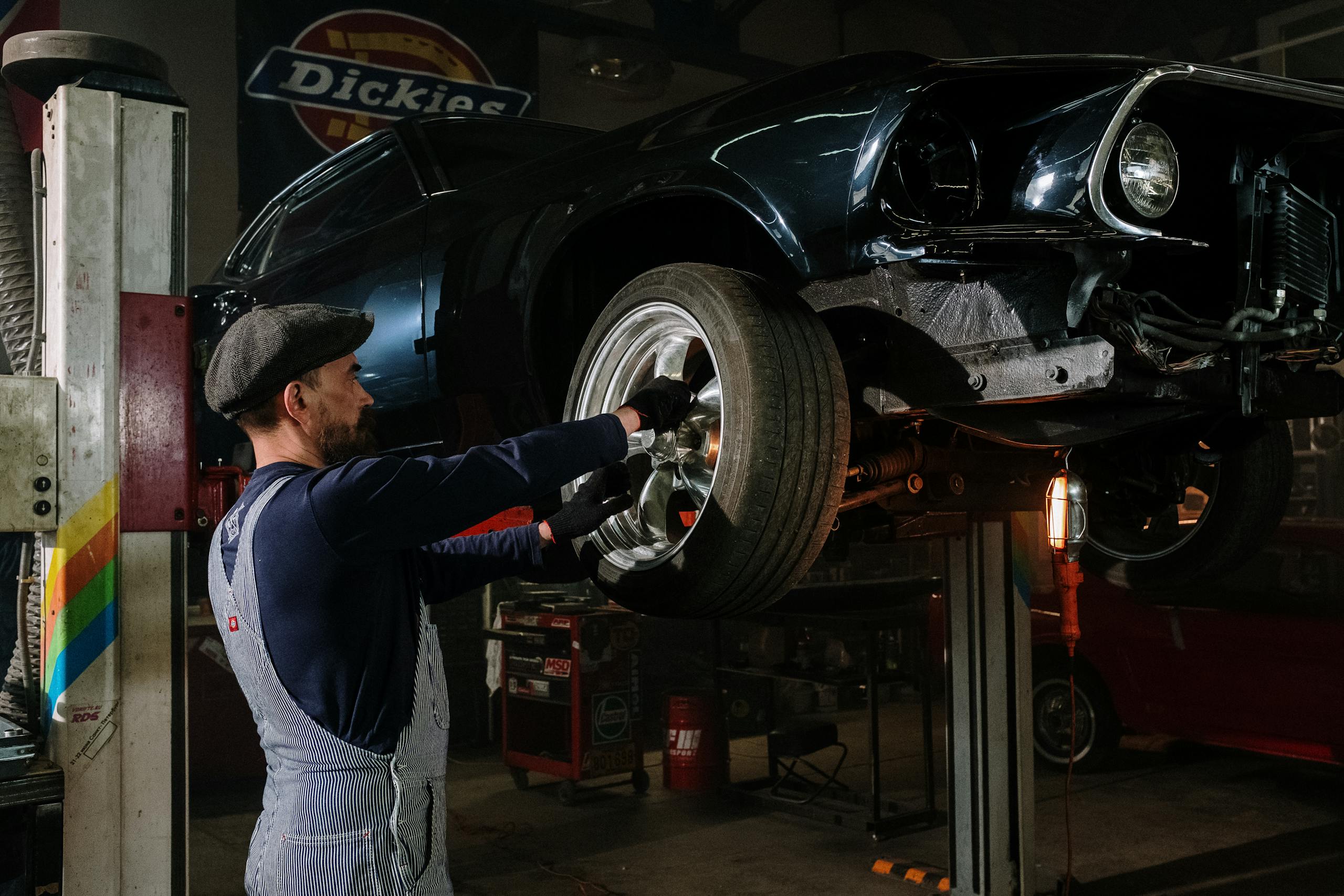
A neglected car often burns more gas than it should. Dirty filters, worn spark plugs, old oil, dragging brakes, bad sensors, and ignored warning lights can all reduce efficiency. The Department of Energy notes that fixing a serious maintenance issue, such as a faulty oxygen sensor, can improve mileage by as much as 40%.
Routine maintenance feels boring until gas receipts start climbing. We should treat fuel economy as one warning sign of vehicle health. If the car suddenly needs more gas for the same commute, something may be wrong. A small repair today can prevent months of wasted fuel and a larger repair bill later.
Leaving Roof Racks and Cargo Boxes Attached
Roof racks, bike carriers, and cargo boxes are useful when needed. They are costly when we leave them attached for no reason. The Department of Energy says a large roof cargo box can reduce fuel economy by 6% to 17% on the highway and 10% to 25% at interstate speeds.
The loss comes from aerodynamic drag. At higher speeds, the vehicle has to push more air out of the way, and the engine pays for it in fuel. Removing unused roof gear after trips is one of the easiest ways to recover efficiency without changing how we drive.
Making Too Many Short Errand Trips
Short errands can waste more gas than one planned route. A cold engine uses more fuel, and repeated short trips keep forcing the car through that inefficient warm-up phase. The Department of Energy says several short trips from a cold start can use twice as much fuel as one trip covering the same distance with a warm engine.
We save money by combining errands into a single loop. The best route often starts with the farthest stop, then works back toward home. That reduces backtracking, cuts total mileage, and keeps the engine operating more efficiently.
Not Tracking Fuel Spending
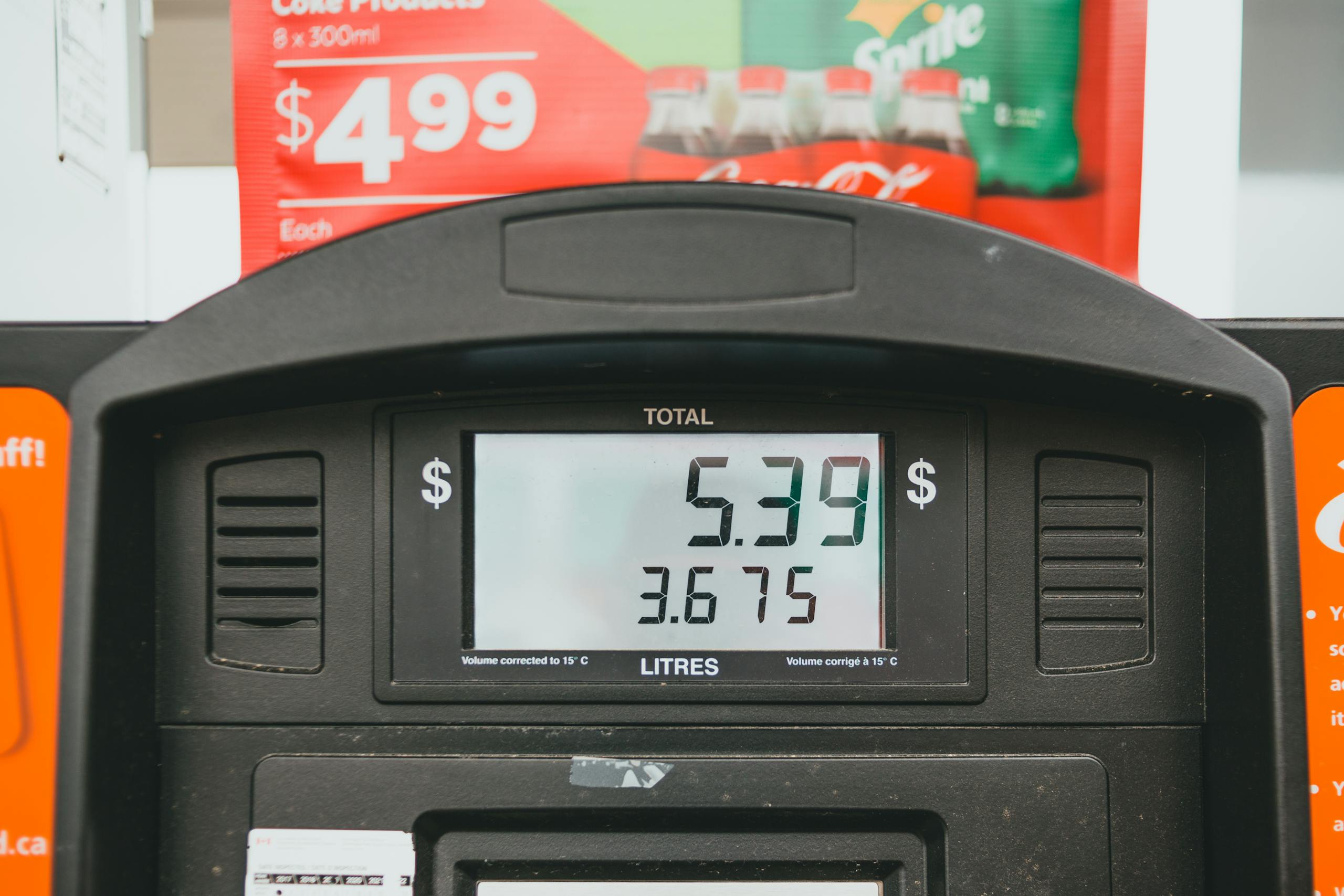
Many drivers know the price per gallon but not their real monthly fuel cost. That makes it hard to spot patterns. We may blame gas prices when the real issue is a longer commute, more idling, poor tire pressure, or weekend detours.
Tracking does not need to be complicated. We can write down fill-ups, use a budgeting app, or reset the trip meter after each tank. The goal is to know the miles driven, the gallons purchased, and the total cost. Once we see the pattern, fixing waste becomes easier.
Conclusion
The most expensive gas station mistakes are not always dramatic. They are ordinary decisions that happen quickly, such as buying premium by habit, choosing the closest highway station, leaving a roof box attached, speeding home, or saying yes to a car wash we never planned to buy.
We save the most when we treat fuel as a system, not a random expense. Compare prices without making wasteful detours. Use the right fuel grade. Keep the car maintained. Drive with less aggression. Skip the pump-side temptations. When these habits work together, every gallon goes farther, and every fill-up hurts a little less.