Politics used to feel like something Americans could check on, argue about, then leave at the door. Now, Americans feel trapped by politics because the noise follows them into work, church, family dinners, grocery aisles, and even casual group chats. That trapped feeling did not appear overnight, and the reasons behind it explain why so many people feel tired before the next headline even lands.
Politics Has Entered Everyday Life

Political tension no longer lives only inside campaign rallies or cable news panels. It now shows up in small daily choices, from where people shop to what they post online. Can anyone even buy coffee anymore without someone turning the cup into a cultural statement?
This creates a constant sense of pressure because ordinary life starts to feel like a public position. People worry that a harmless comment may be judged as a political signal. Even silence can feel suspicious when everyone expects a hot take.
That is exhausting because most people do not want every personal habit placed on trial. They want space to live, laugh, work, and scroll without having to enter a debate tournament. Instead, politics keeps tapping on the window like an unpaid bill with Wi-Fi.
News Never Gives People a Break
The modern news cycle has no closing time, and that alone wears people down. A major update can appear before breakfast, shift by lunch, and explode by dinner. By bedtime, people feel informed, confused, and weirdly punished for checking their phones.
This is one reason Americans feel trapped by politics even when they try to disengage. The headlines keep coming through notifications, trending tabs, podcasts, clips, and anxious relatives. Who needs a villain when your phone can ruin your mood before your first sip of water?
The problem is not simply that news exists. The problem is that every story often arrives dressed like an emergency. After a while, even serious issues start to blur into one loud national headache.
Trust Feels Hard to Find
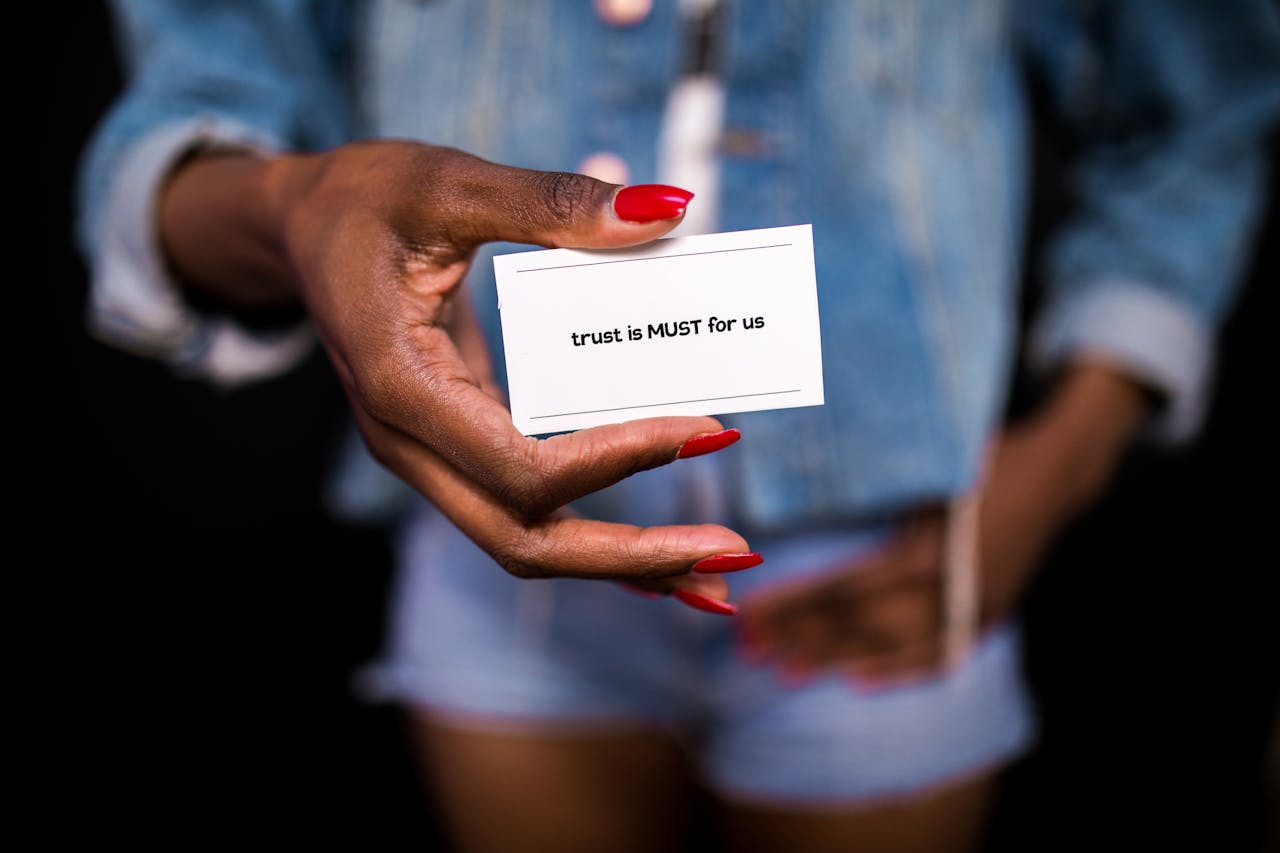
Many Americans no longer know whom to believe. Major surveys and public research continue to show weak confidence in government, media, and institutions, which makes political life feel unstable. When trust falls, every explanation sounds like a sales pitch.
That lack of trust changes how people read the world. A court ruling, press briefing, policy speech, or news report can instantly trigger suspicion. Instead of asking what happened, people first ask who benefits.
This is where frustration grows fast. People do not just disagree about opinions anymore; they disagree about basic reality. FYI, that is not a healthy way to run a country or a family group chat.
Families Keep Splitting Over Public Issues
Politics now enters private relationships with sharp elbows. A holiday meal can turn tense when someone brings up taxes, schools, immigration, guns, war, inflation, or the latest viral controversy. Suddenly, the mashed potatoes are not the main thing getting smashed.
This hurts because family spaces used to offer some relief from public conflict. Now, many people rehearse what not to say before they visit loved ones. They want connection, but they fear a comment could open a door no one can close.
The deeper problem is emotional safety. People may still love each other, yet they feel nervous around certain topics. How can anyone relax when one sentence might turn dessert into a courtroom?
Social Media Rewards Outrage
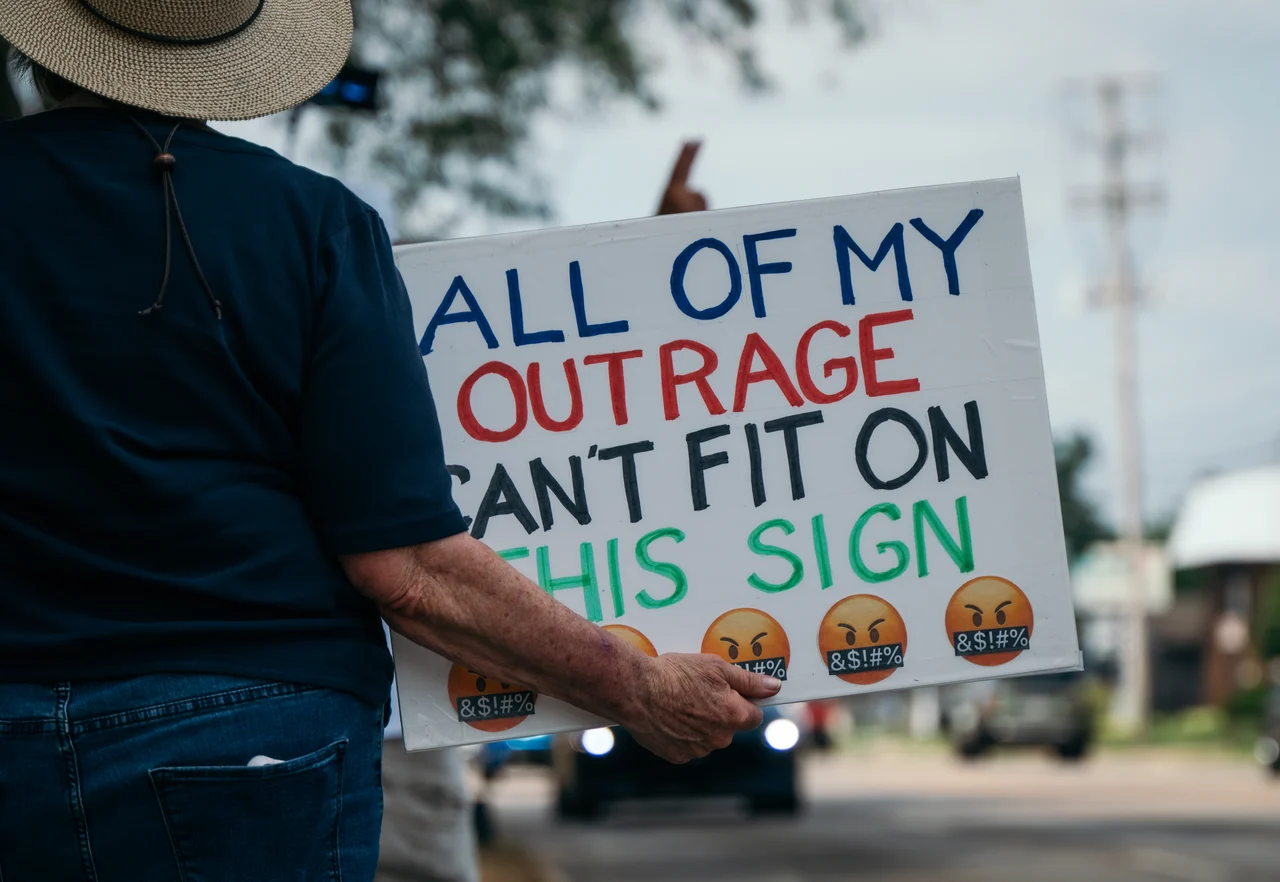
Social media did not create political anger, but it learned how to monetize it beautifully. The loudest posts often travel fastest because outrage grabs attention better than nuance. Calm voices rarely go viral, which feels rude but is also very on-brand for the internet.
This makes users feel trapped because every platform pushes conflict into view. Even people who avoid politics can stumble into it through memes, celebrity drama, lifestyle debates, or sports arguments. The algorithm does not care if you wanted recipes; it may still serve you chaos with garnish.
That constant exposure changes the mood of daily life. People begin to expect hostility before they even read the comments. IMO, the comment section has become America’s unofficial stress test, and most of us are failing with flair.
Culture Wars Make Simple Choices Feel Loaded
Many Americans feel tired because ordinary preferences now seem politically coded. A movie, a school book, a beer brand, a clothing choice, a church sermon, or a restaurant chain can become part of a larger fight. It can feel like everything comes with a hidden loyalty test.
This makes people second-guess themselves in public and online. They wonder whether liking something will place them in a camp they never chose. That is a strange way to live, especially when people just want dinner, entertainment, and a little peace.
Culture war pressure also steals joy from normal life. It turns taste into identity and identity into combat. At that point, even fun starts needing a press secretary.
Money Problems Keep Getting Politicized
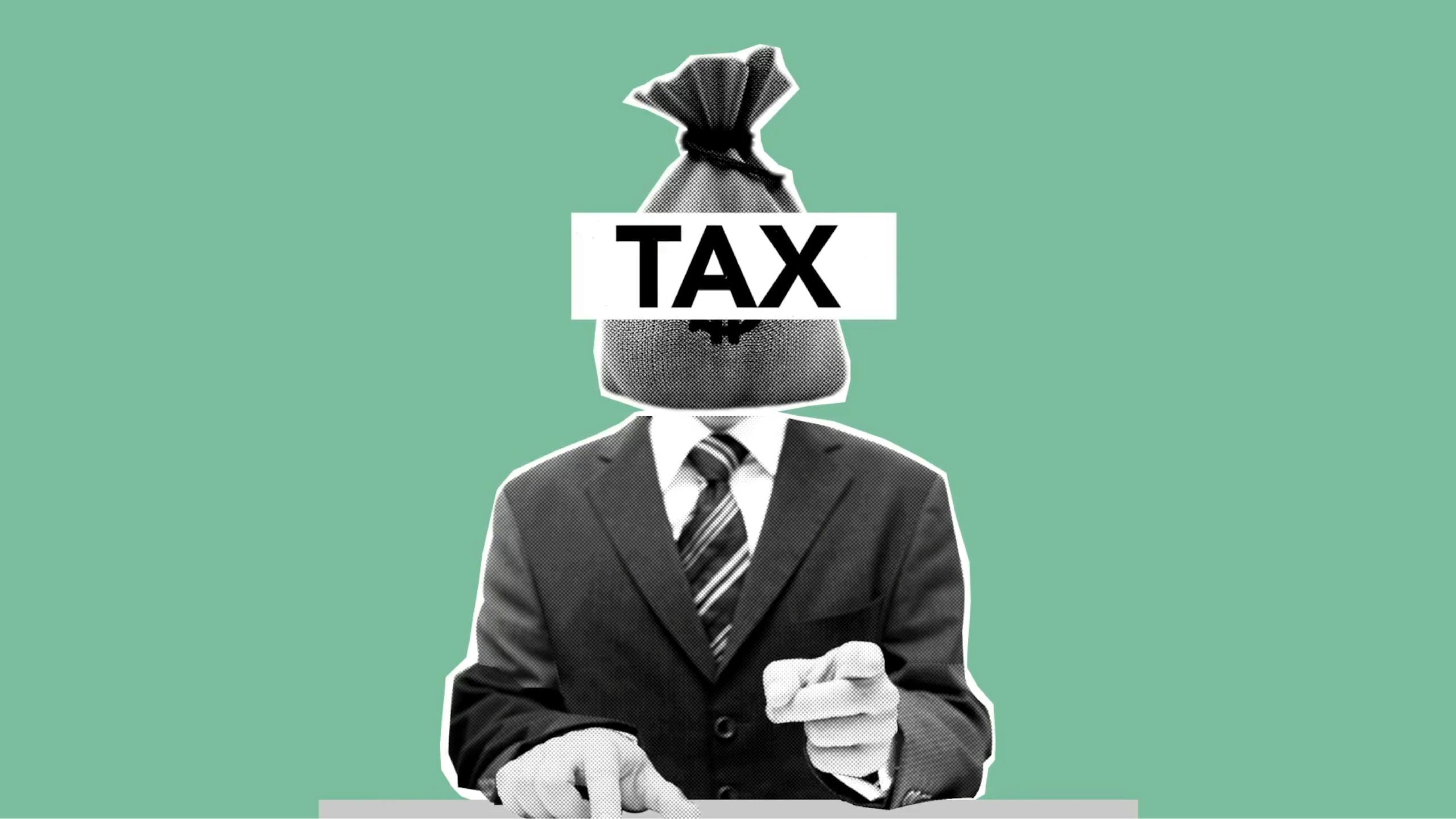
Many people feel squeezed by bills, rent, food prices, medical costs, and job stress. Public reports on national stress have linked concerns about the economy and the nation’s future with emotional strain, which makes political arguments feel personal. People do not debate money from a distance when their own budget already looks bruised.
This explains why economic politics can feel so intense. Voters are not just discussing policy language; they are thinking about groceries, gas, childcare, loans, and rent. When leaders argue in circles, ordinary people feel stuck holding the receipt.
The trap comes from feeling affected without feeling heard. People watch officials debate big issues in polished rooms while their own lives feel messy and expensive. Is it any wonder patience runs thin?
Elections Feel Endless
Election season now feels less like a season and more like background weather. Campaign talk begins early, fundraising never seems to stop, and speculation fills every quiet space. People barely finish processing one election before the next one starts breathing down their necks.
That constant campaign mode keeps the country emotionally activated. Every speech gets framed as a turning point, every poll becomes a mood swing, and every mistake becomes content. The result feels less like civic life and more like a never-ending reality show with worse lighting.
This wears people down because democracy needs attention, but people also need rest. Voters want to care without feeling consumed. Sadly, modern politics often treats exhaustion like proof of engagement.
Compromise Sounds Like Betrayal

Political life becomes more painful when compromise starts to look weak. People get rewarded for sounding certain, angry, and morally pure. Anyone who pauses, listens, or admits complexity can get attacked from all sides.
That creates a trap because real problems rarely fit clean slogans. Healthcare, education, borders, crime, energy, taxes, and foreign policy all require tradeoffs. Yet many public conversations punish anyone who admits that reality is complicated.
This leaves many Americans feeling politically homeless. They may hold mixed views, but public debate often demands neat labels. Where does a reasonable person go when every room has a purity test at the door?
Conclusion
Americans feel trapped by politics because politics no longer stays in its lane. It follows people through news feeds, family conversations, workplaces, shopping choices, entertainment, and money worries. That pressure turns civic awareness into emotional clutter.
The answer is not to stop caring about public life. A healthy country needs informed people who vote, speak up, ask questions, and hold leaders accountable. But caring should not require living in a permanent state of outrage.
People can protect their peace without becoming careless. They can check reliable information, avoid rage bait, set boundaries, and remember that not every disagreement needs a public trial. Sometimes the most radical act is closing the app and calling someone who makes you laugh.
Politics matters, but it should not own every corner of American life. When people reclaim space for community, rest, faith, hobbies, work, and family, the trap starts to loosen. The country may still argue loudly, but ordinary Americans do not have to let every headline move into their living room.