In America, the most dangerous thing a person can carry is not always a gun. Sometimes it is a notebook, a source’s name, a court file, a radio script, a government secret, or one story that powerful people desperately want buried. That is why some murders feel different from ordinary crime. They do not look like random violence. They look like warnings.
These Americans lived in different eras and chased different truths, from mob corruption in Arizona to drug cartels in New York, from political secrets in California to extremist violence overseas. Some were journalists.
Some were informants. Some were writers, broadcasters, or editors. What tied them together was simple and terrifying: they knew something dangerous, and someone decided silence was cheaper than exposure.
Don Bolles
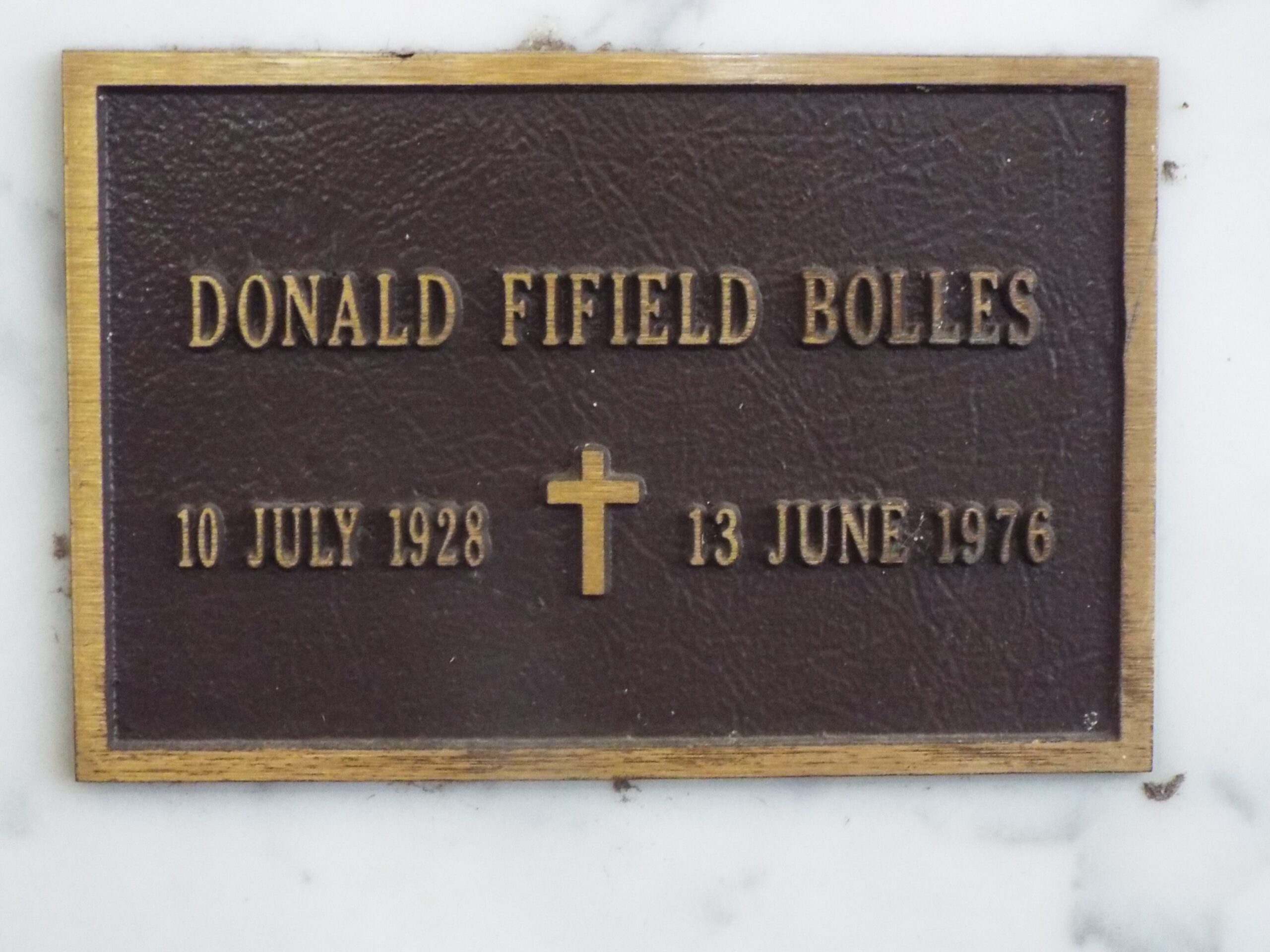
Some reporters chase city council meetings. Don Bolles chased the kind of people who owned politicians, moved dirty money, and smiled in public while fear did their private work. In the 1970s, in Arizona, he became a problem for organized crime figures and corrupt power players because he kept digging where others stopped.
In 1976, a bomb exploded under his car in Phoenix, and he died days later. Bolles had been investigating organized crime and corruption, and his murder sparked the Arizona Project, where journalists across the country continued the work his killers tried to stop.
His death became one of the clearest reminders that American investigative reporting can turn deadly when it gets too close to the money. His unfinished reporting became louder after his murder than it had ever been before.
Chauncey Bailey
Every city has institutions people whisper about but rarely challenge in public. Chauncey Bailey was looking into one of them in Oakland when his reporting put him in danger. He was not chasing gossip. He was investigating Your Black Muslim Bakery, a local organization surrounded by questions about finances, violence, influence, and fear.
In 2007, Bailey was shot dead on an Oakland street while working on that story. His killing shocked the Bay Area because it showed how dangerous local journalism can become when a reporter investigates a powerful community institution with criminal allegations around it.
The case later exposed a disturbing mix of intimidation, secrecy, and violence behind the public image of the group he was investigating. The murder case turned Bailey into a symbol of the risks local reporters take when they refuse to look away.
Manuel de Dios Unanue
New York has seen plenty of tough reporters, but Manuel de Dios Unanue took on people who did not settle arguments with press releases. He wrote about Colombian drug traffickers, cocaine money, and laundering networks at a time when cartel power was reaching deep into American cities.
His work made him dangerous because he did not hide behind vague language. He named names.
In 1992, he was shot in the head inside a Queens restaurant. Investigators linked the killing to retaliation for his reporting on drug trafficking and money laundering. His murder proved that cartel violence was not only a border problem or a Miami problem.
It could walk into a New York restaurant and silence a journalist whose reporting threatened a billion-dollar criminal pipeline. His cartel reporting made him a target.
Henry Liu

Henry Liu’s story feels like Cold War fiction, except it happened in a quiet California suburb. He was a Taiwanese American writer who published criticism of Taiwan’s ruling party and wrote an unauthorized biography of Taiwan’s president. That kind of work touched reputation, intelligence, politics, family power, and authoritarian pride.
In 1984, Liu was shot dead in the garage of his Daly City home. His murder created an international scandal because investigators looked at political motives and possible links to Taiwan. Liu was not killed for stumbling into a street fight.
He was killed after writing about power that reached far beyond his neighborhood. His political writing turned a California murder into a diplomatic crisis.
Jerry Buckley
Before podcasts, viral clips, and cable panels, radio was the voice that entered American living rooms and told people what was really happening in their cities.
Jerry Buckley used that power in Detroit during the Prohibition era, when bootlegging, gambling, politics, and organized crime often shared the same shadows. He attacked corruption loudly, repeatedly, and publicly.
In 1930, Buckley was shot multiple times in a hotel lobby. He had campaigned against corruption and used his radio program to expose political and criminal interests in Detroit.
His murder showed that a microphone could be as dangerous as a front-page investigation when it reached enough people. His anti-corruption broadcasts made him one of the loudest enemies of dirty power in the city.
Paul Klebnikov
Money has a way of looking respectable after enough years pass. Paul Klebnikov was interested in what happened before the money became respectable. As an American journalist and editor working in Russia, he reported on billionaires, organized crime, corruption, and the violent rise of post-Soviet fortunes.
In 2004, he was gunned down outside his Moscow office. His killing remains unsolved, but his work had focused on exactly the kind of people who had reason to fear exposure.
Klebnikov’s murder showed how dangerous financial journalism can become when the money being investigated is tied to power, violence, and old secrets. His reporting on power made his death feel like more than a random shooting.
Daniel Pearl
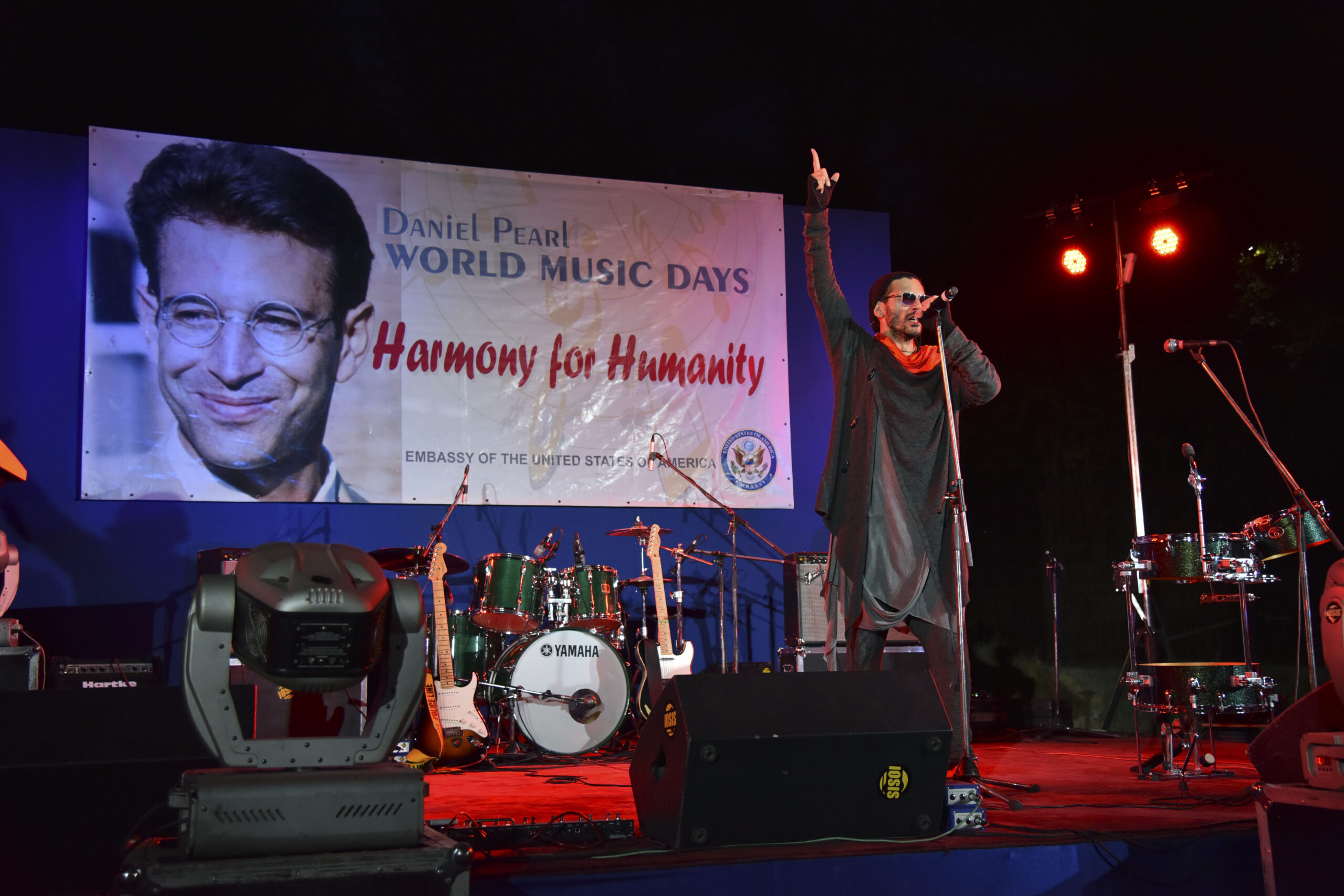
After 9/11, Americans wanted answers about terror networks, extremist financing, and the shadowy connections behind global violence. Daniel Pearl went looking for those answers in places where curiosity could get a person killed. He was an American journalist investigating militant networks in Pakistan when he was abducted.
In 2002, Pearl was kidnapped and murdered in Karachi. His death horrified Americans because it showed the brutal danger facing reporters who try to understand extremist systems from the inside. Pearl was not chasing a headline from a safe desk.
He was asking questions in a world where questions could be treated like betrayal. His kidnapping and murder became one of the most infamous attacks on an American journalist in modern history.
George Polk
George Polk was the kind of correspondent who did not treat official statements as truth just because they bore a government seal. He covered Greece during its civil war and reported on corruption, authoritarian conduct, and the uncomfortable reality of U.S.-backed power abroad. That made his work politically explosive.
In 1948, Polk’s body was found in Salonika Bay with his hands and feet bound and a gunshot wound to the head. His murder became one of the most famous unsolved cases in journalism history.
Polk’s killing mattered because he was asking whether America’s allies were doing things Americans deserved to know about. His civil war reporting made him dangerous in a conflict where truth was not welcome.
Elijah Lovejoy
Elijah Lovejoy lived in an America where printing the truth about slavery could get a man killed. He was a newspaper editor and abolitionist who kept publishing anti-slavery writing even after mobs repeatedly destroyed his printing presses. Every time they tried to silence him, he came back with more ink.
In 1837, Lovejoy was killed by a pro-slavery mob while defending his press in Alton, Illinois. His murder turned him into a martyr for abolition and free speech. Lovejoy did not know a secret in the modern spy-thriller sense.
He knew a moral truth America was trying to avoid, and he kept printing it until violence came for him. His abolitionist newspaper made him a target before the First Amendment became something Americans casually quote.
Barry Seal
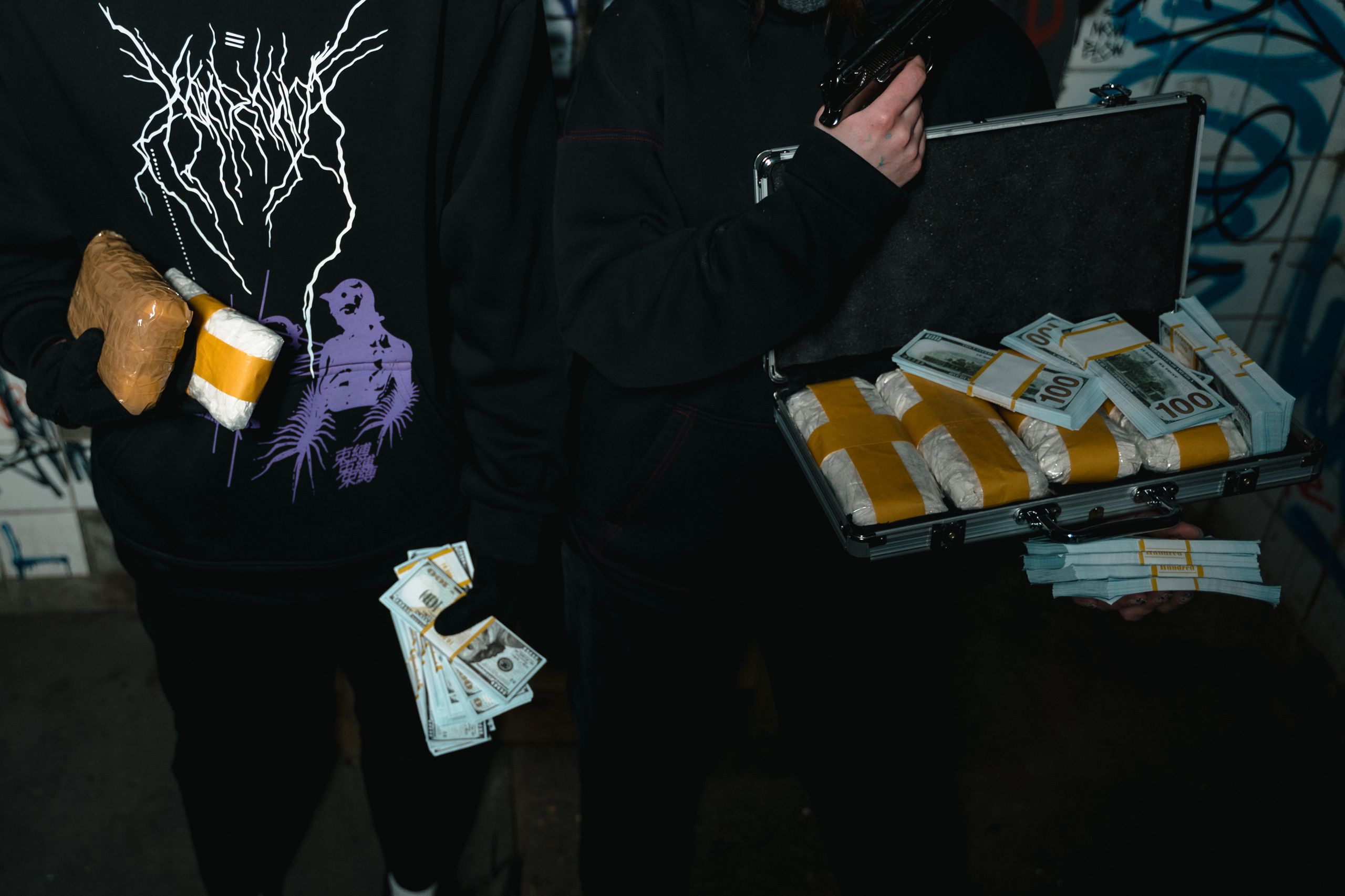
Barry Seal was no innocent truth-teller. He was a drug smuggler who became a government informant, which may have made him even more dangerous to the people he once worked with. He knew routes, pilots, names, shipments, landing spots, cartel habits, and enough dirty business to send powerful criminals to prison.
In 1986, Seal was shot dead in Baton Rouge after cooperating with U.S. authorities. Three Colombian men were convicted of his murder, and prosecutors said the hit was ordered by the Medellín cartel. Seal’s life was messy, but his death fits the theme perfectly.
Sometimes the most dangerous person in a criminal empire is the one who starts talking. His role as an informant made him a marked man.
Conclusion
These Americans were killed in different places, under different circumstances, and by very different kinds of enemies. But the pattern is hard to ignore. Bolles had corruption stories. Bailey had an unfinished investigation.
De Dios had cartel reporting. Liu had political criticism. Pearl and Klebnikov were chasing dangerous networks overseas. Seal had informant knowledge. Polk, Buckley, and Lovejoy challenged systems that preferred silence.
That is what makes these stories so unsettling for American readers. These were not superhero figures with secret weapons or movie-script escapes.
They were reporters, writers, broadcasters, informants, and editors who carried information that powerful people wanted buried. A notebook was enough. A manuscript was enough. A radio broadcast was enough. A testimony file was enough.
Their killers wanted silence, but they did not get it. The stories survived. The names survived. And every one of these cases leaves behind the same warning: in America, truth can be protected by law, celebrated in speeches, and still become dangerous when it threatens the wrong people.