The meat industry seems like a familiar part of daily life: grocery aisles lined with beef, chicken, and pork, and backyard grills smoking on summer weekends. Yet beneath this ordinary surface lies a global system that drives environmental destruction, public health crises, and social inequities. Every pound of meat on our plates carries hidden costs: deforestation, water depletion, antibiotic overuse, and land exploitation. The consequences ripple from local communities to global ecosystems, leaving the world less resilient and more vulnerable. Here are 10 of the most shocking ways the meat industry is quietly reshaping our planet for the worse.
Driving Deforestation at an Alarming Rate
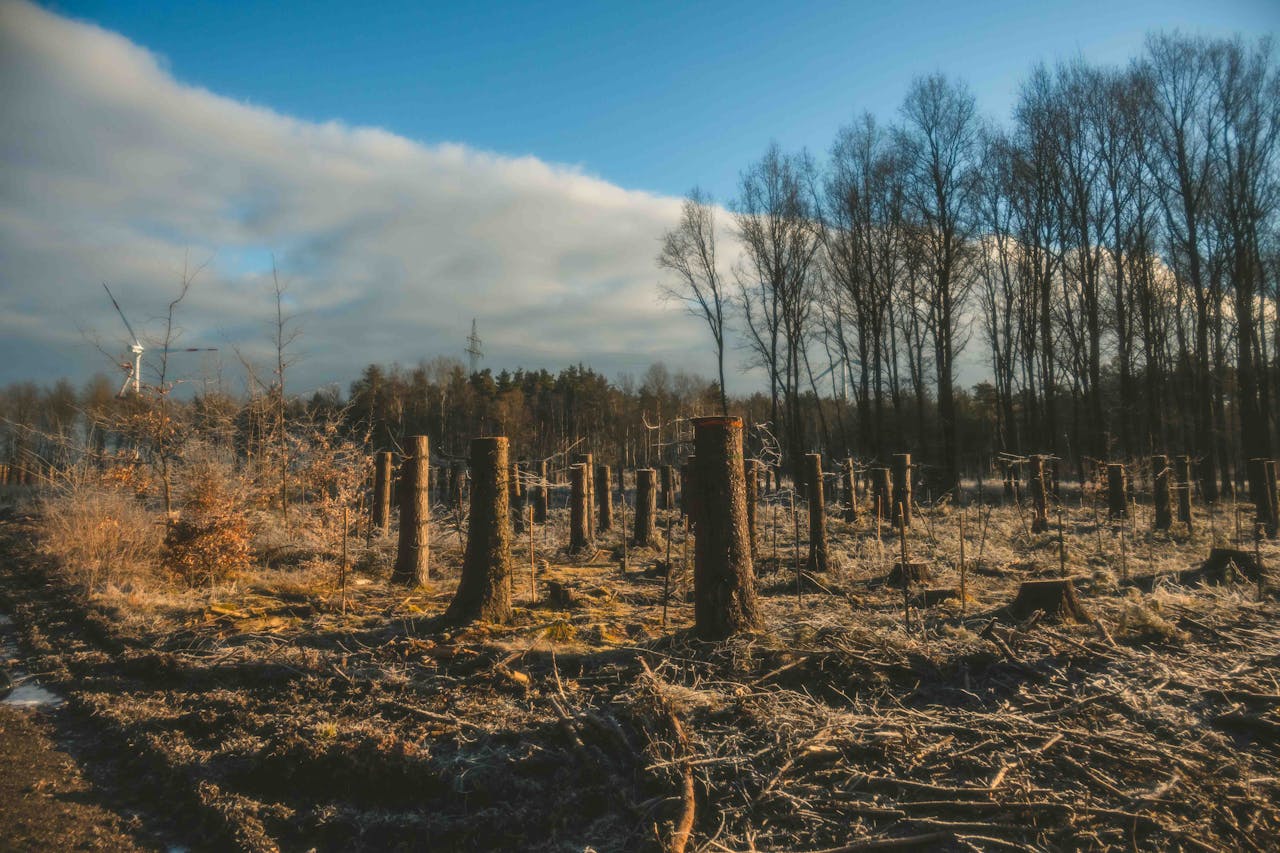
Cattle ranching is a leading cause of tropical deforestation, especially in the Amazon, where rainforests are cleared at a pace of 1–2 acres per second. This land clearance not only releases massive amounts of stored carbon into the atmosphere but also destroys habitats for countless species, contributing to the loss of approximately 137 plant and animal species daily. Beyond biodiversity loss, deforestation threatens the discovery of potential new medicines derived from rainforest plants. In Brazil, roughly 70 percent of deforestation stems directly from expanding pasture for beef production, often exacerbated by land speculation. Environmental activists challenging these practices have faced lethal retaliation, highlighting the high stakes behind each cleared acre.
Lobbying, Bribes, and Political Influence
The meat industry wields immense political power, funneling millions into campaigns and lobbying efforts to influence legislation and public perception. In the U.S., $10.8 million annually in political contributions, along with $7 million in lobbying expenditures, has shaped nutrition guidelines, food pyramids, and agricultural subsidies. This influence often suppresses scientific findings on health risks and environmental damage while perpetuating myths about meat consumption. The same corporate strategies have reached international arenas, shaping policy and scientific discourse in countries like the United Kingdom.
Consuming the Majority of U.S. Antibiotics

Industrial livestock operations rely heavily on antibiotics to maintain animal health and maximize yields. In the United States alone, around 80 percent of all antibiotics produced are administered to livestock, totaling over 28 million pounds annually. This overuse fuels the evolution of antibiotic-resistant bacteria, or superbugs, which can spread to humans via food consumption or environmental exposure. The result is a looming public health crisis where common infections may become untreatable, underscoring the hidden danger lurking in industrial meat production.
Occupying Nearly Half of the Earth’s Arable Land
Livestock and feed production require enormous land resources, accounting for roughly 45 percent of the world’s habitable land. Beyond grazing, land is cleared to cultivate feed crops like corn and soy, driving desertification and biodiversity loss. In Central Asia alone, 8,000–10,000 square kilometers experience desertification annually, much of it due to overgrazing. As land becomes increasingly overused, the ecological resilience of ecosystems diminishes, amplifying the effects of climate change and limiting the planet’s ability to sustain future generations.
Water Consumption on an Unsustainable Scale
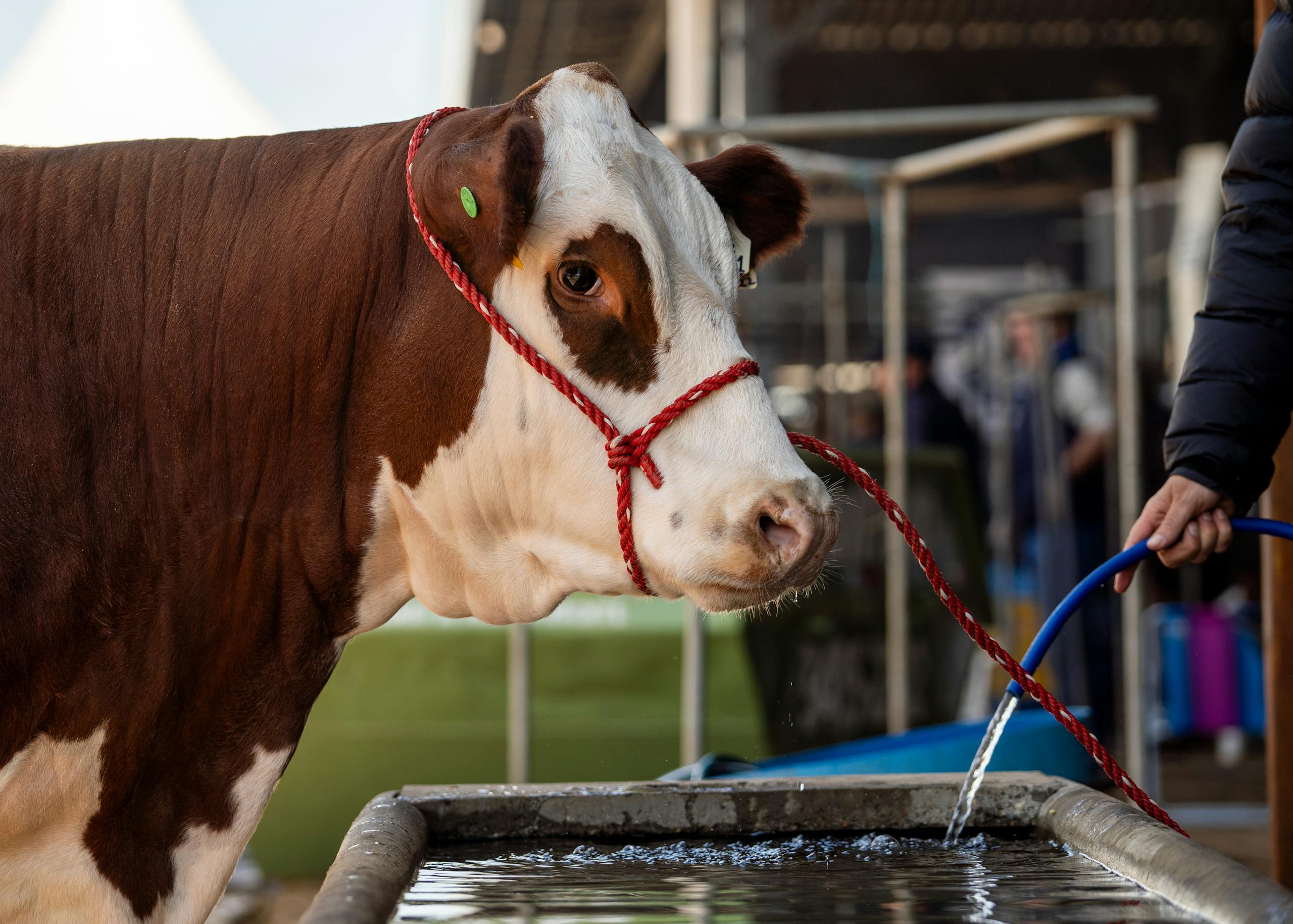
Livestock farming consumes staggering amounts of water, both for animals directly and for the crops that feed them. Producing one pound of beef can require up to 2,500 gallons of water, equivalent to showering daily for six months. Globally, animal agriculture accounts for approximately one-third of freshwater use, contributing to water scarcity in drought-prone regions like California. As the population grows and climate change intensifies, this strain on water resources will increasingly threaten food security and human livelihoods worldwide.
Contributing to Obesity and Disease Risk
High consumption of red and processed meats is linked to obesity, cardiovascular disease, and certain cancers. Industrial meat products often contain high levels of saturated fats, preservatives, and sodium. Epidemiological studies correlate excessive meat consumption with elevated risks of colorectal cancer and type 2 diabetes, creating a public health burden that strains healthcare systems worldwide. This hidden cost of meat goes beyond environmental impact, directly affecting human longevity and quality of life.
Diverting Grain From People to Livestock
Global grain production is sufficient to feed the world, yet industrial meat production diverts enormous quantities of food into livestock feed. Producing one pound of meat can require 1–3 kilograms of grain, far exceeding the caloric output humans could derive from consuming it directly. In 2008, the grain used for livestock alone could have fed billions of people. With 10 billion people projected by 2050, continuing this system will exacerbate hunger unless grain is redirected from animals to humans, highlighting a fundamental inefficiency in global food distribution.
Loss of Biodiversity From Habitat Conversion
Meat production drives habitat loss for countless species. Forests, wetlands, and grasslands are converted into pasture or feed crop plantations, fragmenting ecosystems and eliminating critical habitats. The reduction in biodiversity undermines ecosystem services such as pollination, water purification, and soil fertility. With over 168 countries affected by desertification and habitat degradation, the meat industry’s expansion is a leading driver of species extinction and ecological collapse.
Greenhouse Gas Emissions from Livestock
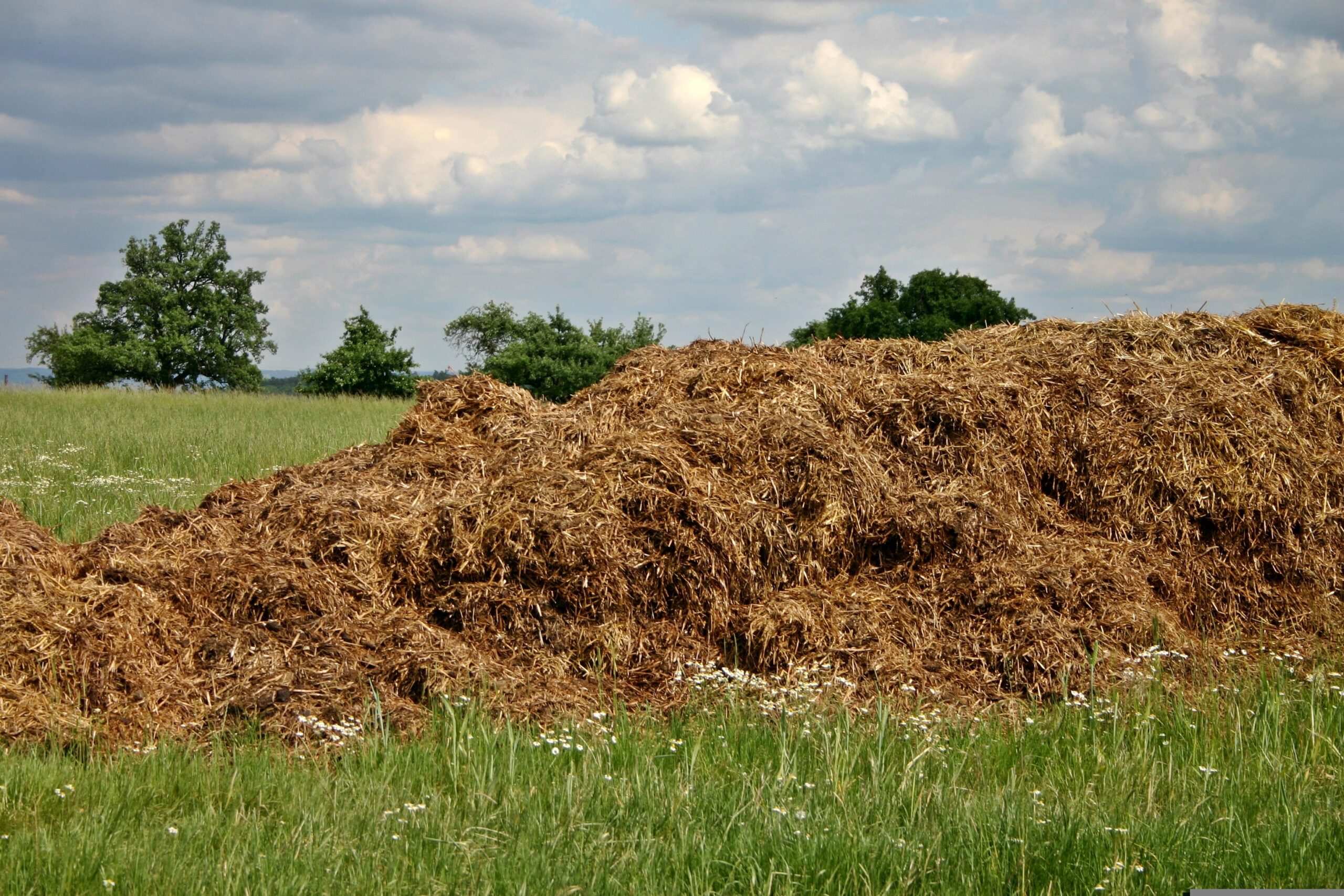
Livestock are significant contributors to global greenhouse gas emissions, producing methane, nitrous oxide, and carbon dioxide. Cattle alone account for roughly 14.5 percent of anthropogenic greenhouse gases, with methane being 28 times more potent than CO₂ over a 100-year period. Combined with deforestation for pasture and feed, these emissions accelerate climate change, driving more extreme weather, sea-level rise, and disruptions to agricultural systems that billions depend upon.
Inefficient Use of Energy and Resources
From feed cultivation to slaughterhouse operations, meat production is energy-intensive. Estimates suggest that producing one calorie of beef requires 20–30 times more fossil fuel energy than producing one calorie from plants. This inefficiency exacerbates carbon emissions, strains water resources, and increases environmental degradation. The global reliance on energy-heavy livestock systems highlights the unsustainable nature of feeding rising populations with meat-centric diets.
The meat industry’s impact stretches far beyond the farm. From environmental devastation and public health crises to political manipulation and social inequities, industrial meat production drives a complex web of global problems. Each burger or steak may appear harmless, yet it embodies profound ecological and societal costs. Understanding these realities is crucial to reshaping food systems for a sustainable, equitable future.