A nursing home decision almost never begins calmly. It begins after Mom falls in the bathroom. It begins when Dad forgets the stove again. It begins when Grandma gets lost driving to the grocery store she has visited for decades. It begins in a hospital hallway when someone says, “She can’t go home alone,” and the whole family suddenly realizes love is not the same as full-time care.
Then comes the tour. The lobby looks clean. The staff smiles. The brochure shows happy residents, soft chairs, music hour, and a birthday cake. But every family is quietly asking the same frightening question.
Will this place protect the person we love, or will it slowly swallow them? America is aging, families are stretched thin, and long-term care is expensive enough to scare almost anyone.
The country has about 14,700 nursing homes, which means this is not a distant issue. It is waiting inside millions of American family stories.
The price can shock families into panic.

The first reality is the cost. Many families assume Medicare will cover everything. Then they learn that long-term nursing home care can drain savings fast. A parent may have worked for 40 years, paid off a house, saved carefully, and still face a bill that feels impossible to pay.
A private nursing home room now has an annual national median cost of more than $129,000. That is more than many households earn in a year.
The cruel part is that the decision often comes during a crisis. A fall, stroke, surgery, or dementia diagnosis can push a family into choosing care quickly. There is little time to compare every option, understand every rule, or process the emotional weight of the moment.
Aging should not feel like a financial cliff. But for many families, nursing home care turns love into math.
Most Americans cannot afford the care they may need
Families avoid nursing home conversations for a reason. They are terrifying. Nobody wants to imagine selling a home, draining retirement savings, or depending on adult children to pay for care. Nobody wants to choose a facility based solely on price rather than comfort, safety, and dignity.
A national survey found that 90% of adults said paying $100,000 for one year of nursing home care would be impossible or very difficult for them or their families. That explains why these decisions create so much tension.
One sibling may say, “We can care for her at home.” Another may say, “You don’t understand how bad it has become.” Someone brings up money. Someone feels guilty. Someone gets angry. Underneath the argument is fear.
The hardest truth is simple. Many Americans are one medical crisis away from needing care they cannot comfortably afford.
Staffing can decide whether care feels safe or rushed.
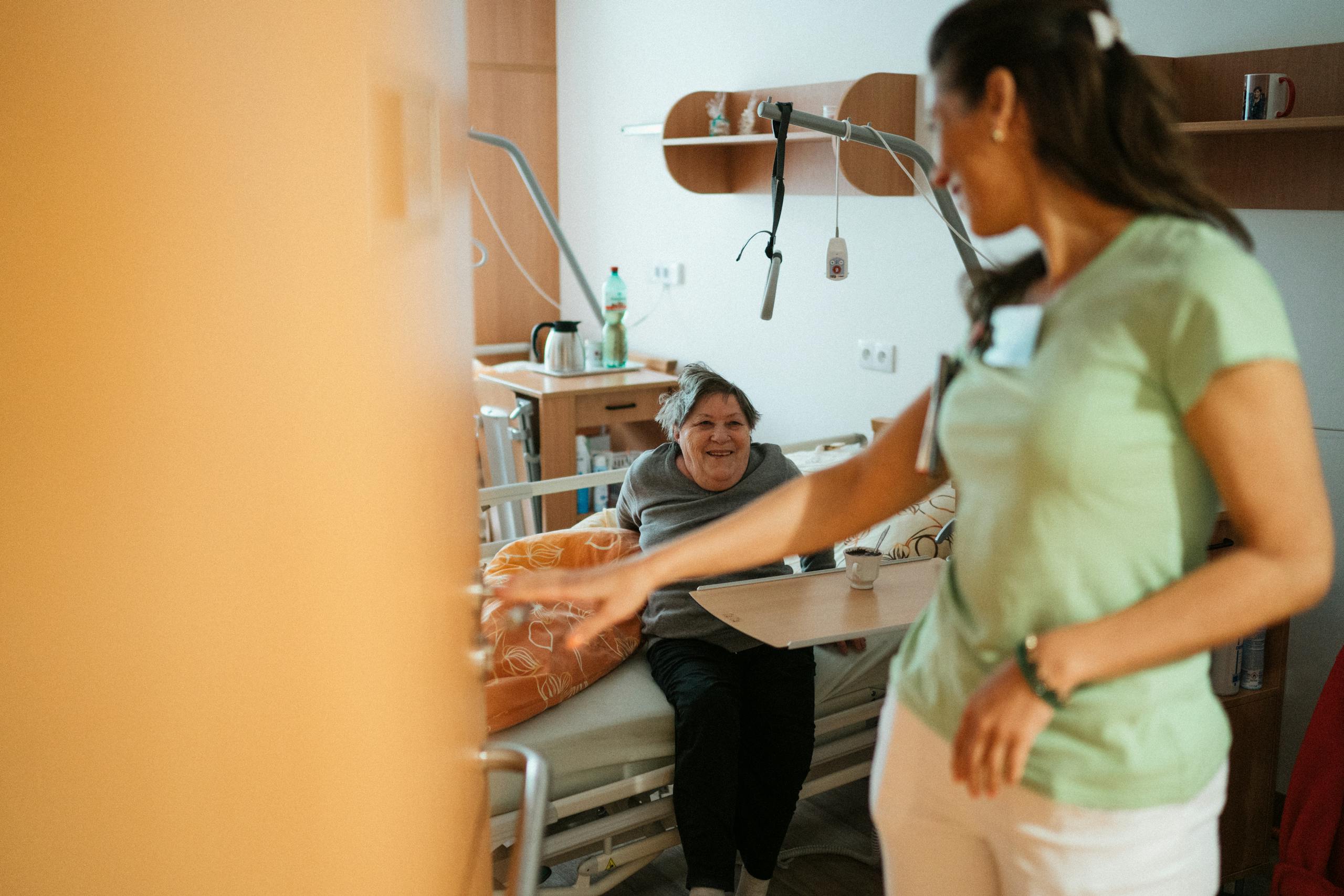
A beautiful building does not guarantee good care. Staffing does. Residents need help eating, bathing, dressing, walking, toileting, taking medicine, and getting out of bed. Some need help turning to prevent sores. Some need reminders to drink water. Some need someone to notice when they suddenly seem weaker, quieter, or confused.
That kind of care takes time. When staffing is thin, residents feel it. A call light may stay on too long. A meal may be rushed. A fall risk may not be watched closely. A lonely resident may get quick tasks instead of real attention.
Federal regulators once finalized a rule requiring 3.48 hours of nursing care per resident per day. But later action moved toward repealing minimum staffing requirements. For families, this is not a policy debate. It is Grandma pressing the call button at 2 a.m., hoping someone will come.
For-profit ownership makes families question priorities.
Most families want to believe care comes first. Then they learn how much of the nursing home system runs as a business. That does not mean every for-profit nursing home is bad. Many nurses, aides, therapists, cooks, cleaners, and administrators work with real kindness. Many do exhausting work for people who need patience every hour of the day.
But ownership still matters. Care costs money. Staffing costs money. Clean rooms, better food, training, medical supplies, safe equipment, and decent wages all cost money. When care and profit sit at the same table, families naturally wonder which one gets protected first.
The concern is understandable because for-profit ownership accounts for more than 70% of U.S. nursing homes.
That number does not prove poor care. But it does explain the fear. Families are not handing over a product. They are trusting a facility with a parent, spouse, grandparent, or loved one who may be too weak to speak up.
Neglect can hide in plain sight.
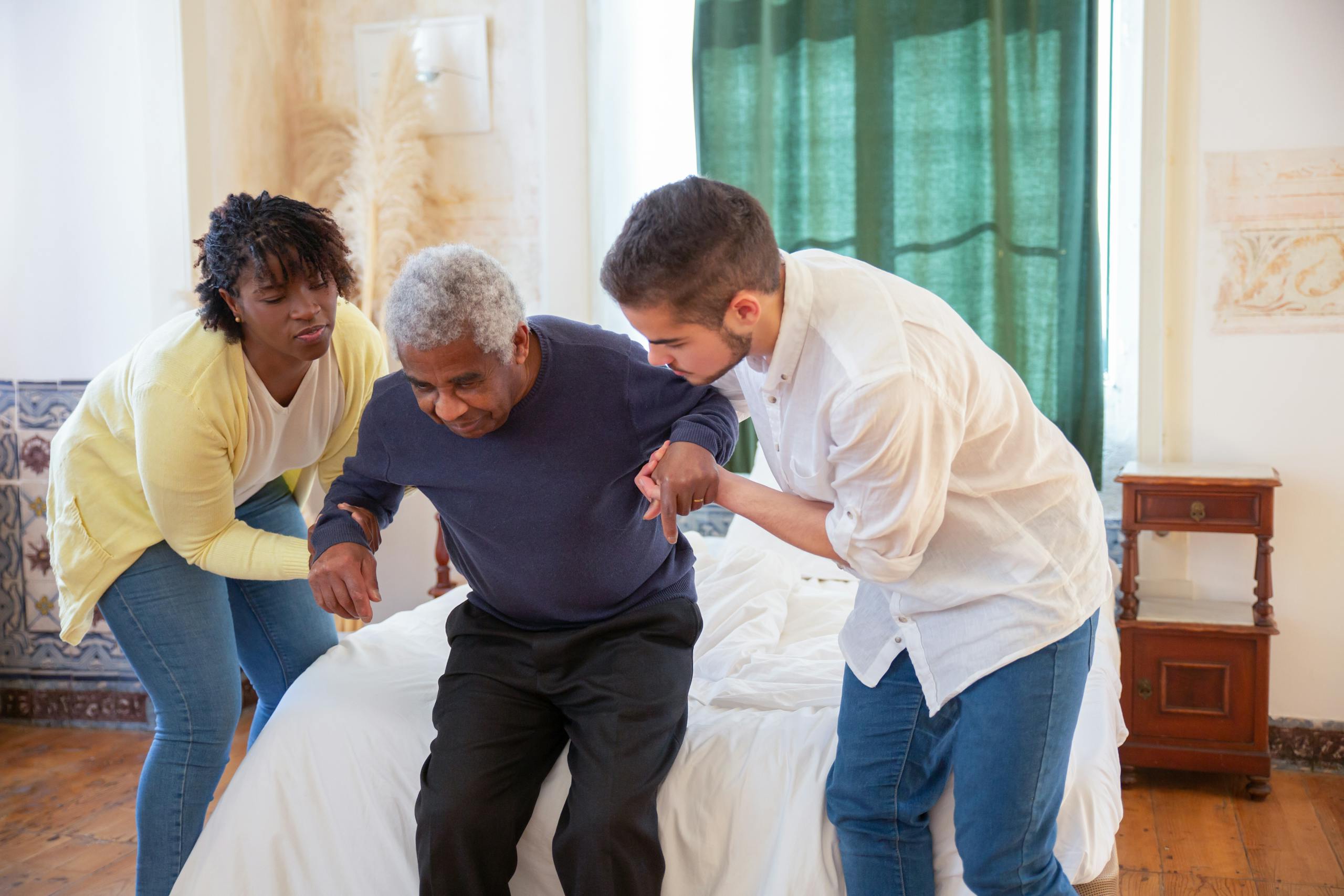
Neglect does not always look dramatic. Sometimes it looks like a glass of water left out of reach. A call light was ignored too many times. A dirty shirt. A bruise with a vague explanation. A sudden weight loss. A bedsore. A parent who stops talking during visits.
That is what makes neglect so scary. It can hide inside normal routines. Families may not see what happens at night, on weekends, or during short-staffed shifts. A facility may look calm during a tour, but the real story often unfolds in the hours when no family member is watching.
Federal oversight work focuses on protecting nursing home residents from poor care, neglect, fraud, abuse, and weak enforcement.
The most painful sentence a family can say is, “We thought they were being cared for.” That sentence carries guilt. It carries anger. It carries the horror of realizing a loved one can be inside a care facility and still not be truly cared for.
Loneliness can become its own kind of suffering.
A nursing home can keep someone alive and still leave them lonely. Food matters. Medicine matters. Bathing matters. Safety matters. But people also need conversation, touch, laughter, routine, and someone who remembers who they were before they became a resident.
A woman in room 212 may have raised five children. A quiet man by the window may have driven trucks across the country. A grandmother in a wheelchair may have once hosted every holiday dinner. A retired teacher may still remember every student who made her laugh.
A resident does not stop being a full person because life has been reduced to a care plan.
There are about 1.24 million residents living in certified nursing facilities. Each one had a life before the admission form. That is what families fear most. Not only will their loved one be unsafe, but they will also be forgotten while still breathing.
Families usually meet the system during a crisis.
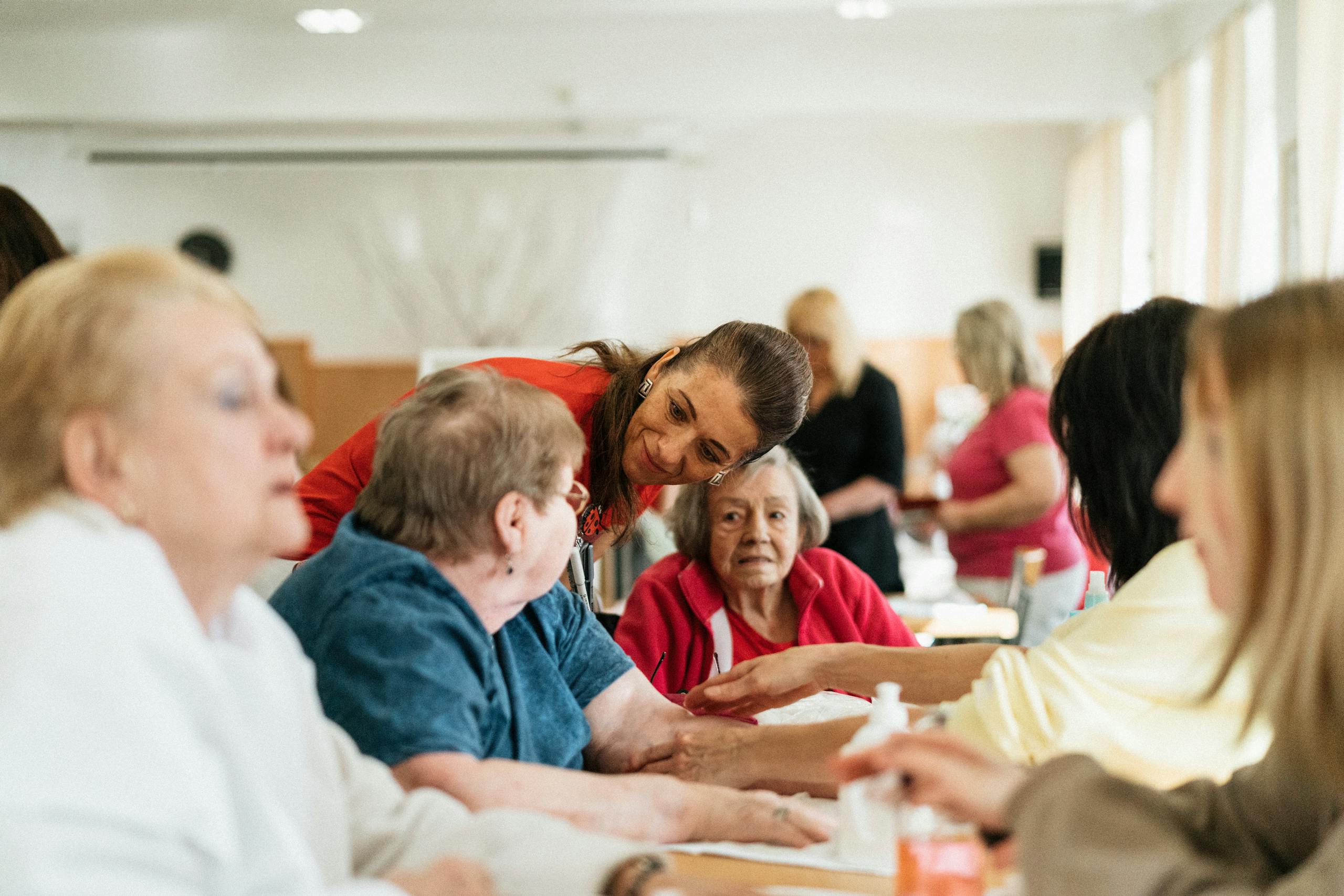
Nobody wants to learn nursing home rules during the worst week of their life. But many families do. A parent falls. Dementia gets worse. A hospital stay ends. A spouse burns out. Suddenly, adult children are comparing facilities, calling admissions offices, checking ratings, reading inspection reports, and asking about Medicare, Medicaid, rehab stays, private pay, and long-term care.
It is overwhelming. The language alone can feel like a maze. Skilled nursing. Care plans. Bed availability. Chain ownership. Deficiency reports. Discharge planning. Spend-down rules. Families are expected to understand all of this while scared, tired, and emotionally raw.
That is why clearer information matters. Nursing home comparison tools now place greater emphasis on chain-level performance data, because families need better ways to judge care before making life-changing decisions.
The problem is timing. By the time families know what questions to ask, their loved one may already be in a bed, asking when they can go home.
America is aging faster than families can prepare
The nursing home problem is not going away. It is growing. More Americans are reaching ages when they may need help walking, bathing, dressing, eating, remembering to take medicine, recovering from surgery, or staying safe at home. At the same time, families are smaller, adult children often live far away, and paid care is expensive.
This is not just a nursing home issue. It is an American family issue. The healthcare workforce is already under pressure, and nursing shortages are expected to grow as Baby Boomers age and care needs rise.
That should worry everyone. Because the real question is not only, “What happens to today’s nursing home residents?” The deeper question is, “Who will care for all of us when we become the ones who need help?”
America loves independence. Nursing home reality exposes the limit of that idea. Eventually, almost everyone needs somebody.
Conclusion

The shocking realities about America’s nursing homes are hard to face because they touch one of the deepest fears in family life.
What happens when someone we love becomes too fragile to live alone? The answer should be simple. Safe care. Kind workers. Clean rooms. Enough staff. Honest oversight. Affordable options. Dignity until the end.
Instead, many families face terrifying costs, staffing concerns, profit worries, neglect fears, loneliness, confusing rules, and a system they often encounter only after a crisis begins. This does not mean every nursing home is cruel.
Many workers inside these buildings show patience, tenderness, and strength that most people will never fully understand. Many residents are cared for with love. Many families find relief after months or years of burnout.
But the dark side is real enough that families should not walk in blindly. Aging is hard. Caregiving is hard. Letting someone else care for your parent is hard. What should not be hard is trusting that the place paid to protect them will treat them like a human being, not just another occupied bed.