American prison life is often shown through metal doors, orange uniforms, concrete walls, and menacing movie music. The real darkness is usually quieter.
It is a mother trying to afford a phone call from her son. It is an older man with bad knees climbing down from a bunk. It is someone waiting months for medical care. It is a cell so hot the air feels like punishment. It is a person leaving prison with no money, no housing, no job, and a record that follows them into every application.
Prison is supposed to remove freedom. In too many cases, it also removes health, family connection, dignity, safety, and any realistic path back to normal life.
The scale alone is staggering. Federal data shows the U.S. prison population reached 1,254,200 at year’s end 2023, while the wider correctional system included millions more under prison, jail, probation, or parole supervision.
Prison can turn time into psychological punishment.

The first punishment is losing freedom. The second punishment is what time does after that.
A year in prison is not just twelve months. It is twelve months of controlled movement, counted meals, metal doors, constant noise, limited privacy, strip searches, boredom, tension, and waiting. Waiting for the mail. Waiting for the court. Waiting for medical care. Waiting for release. Waiting for someone on the outside to still remember you exist.
This is one of the darkest realities of prison life. The sentence may be measured in years, but the daily experience is measured in small humiliations. A person does not choose when to eat, sleep, shower, move, call family, or step outside. Even ordinary choices become privileges.
That kind of control changes people. It can make them numb, angry, anxious, hyper-alert, or emotionally shut down. A person may enter prison with problems and leave with deeper ones because survival inside often rewards toughness, suspicion, and silence.
Prison does not simply pause a life. It can reshape the person living it.
Family contact can become expensive and fragile.
Prison separates people from the outside world, but the damage does not stop at the prison gate.
Families pay too. A child grows up hearing a parent’s voice through a phone system. A wife waits for limited call times. A mother budgets for conversations. A grandmother puts money into an account so someone inside can hear one familiar voice. Love becomes timed, monitored, and sometimes expensive.
Communication costs have been a long-running prison issue. Recent federal rules were supposed to reduce phone and video call rates, but enforcement delays and policy changes kept the problem alive, with updated rules allowing calls to cost up to 11 cents per minute in large prisons under interim caps.
That may sound small until you remember that many prison families are poor, calls add up, and contact is not emotional decoration. Family connection can help people survive prison and return home with support. When prisons make communication hard, families serve part of the sentence too.
Medical care can become a waiting game with dangerous consequences.

Getting sick in prison can be terrifying. Outside, a person can call a doctor, go to urgent care, ask for a second opinion, or drive to an emergency room. Inside, care depends on the system. A person may need to file a request, wait to be seen, convince staff the pain is serious, and hope the facility has the staffing, urgency, and resources to respond.
That delay can be deadly. People in prison often have higher rates of chronic illness, mental health needs, addiction histories, trauma, and untreated conditions. Yet the prison setting can make care slower, colder, and harder to access. The result is that treatable problems may worsen before anyone acts.
Federal mortality data show thousands of people die in state and federal prisons, with 4,234 deaths reported in 2019 and a higher mortality rate in state prisons than in federal facilities.
The darkest part is not only that people die in custody. It is that families often wonder whether someone would still be alive if they had received faster, better, more human medical care.
Sexual violence remains a hidden terror.
Sexual violence in prison is not just a movie threat or an old prison joke. It is a real fear. Many people do not report abuse because they fear retaliation, disbelief, shame, or being labeled weak. Others may not trust the system to protect them after they speak up. That silence can make the problem feel invisible to the outside world, even when it is life-altering for the person experiencing it.
Recent national prison survey data found that 4.1% of adult prison inmates reported sexual victimization in 2023 to 2024, including abuse by other inmates and facility staff.
That number represents people, not statistics. It represents fear in cells, showers, corridors, work assignments, medical units, and places where someone has limited power to leave. Prison is supposed to be a place of confinement, not one where safety depends on silence, toughness, or luck.
A system that cannot protect people in custody has failed one of its most basic responsibilities.
Solitary confinement can break people without leaving marks.

Solitary confinement is often described as a security tool. For the person living it, it can feel like disappearing while still being alive.
The conditions vary by facility, but the basic idea is severe isolation. Limited human contact. Limited movement. Limited activity. A cell that becomes the whole world. Days that blur together until time stops feeling normal.
The dark part is that solitary does not need to leave bruises to cause damage. Isolation can worsen anxiety, depression, paranoia, anger, hallucinations, self-harm risk, and emotional instability. For people already struggling with mental illness, it can be especially dangerous.
Descriptions of solitary confinement emphasize profound limits on interaction with other people and daily activity, which is exactly why critics argue it can become psychological punishment rather than simple separation.
A person can survive solitary confinement and still come out changed. That is what makes it so frightening. The injury may not show on the body, but it can settle deep into the mind.
Extreme heat can turn a cell into a cage of suffering.
Americans complain when the air conditioner breaks at home. Now imagine being locked in a prison cell during extreme heat with little control over ventilation, water access, shade, movement, clothing, or relief. That is reality in some facilities.
As summers grow hotter, prisons without adequate cooling become more dangerous. People inside may have heart disease, diabetes, mental illness, medication side effects, age-related vulnerability, or disabilities that make it harder to survive in the heat. They cannot simply leave, drive to a cooling center, buy a fan, or sleep somewhere else.
Reporting on Texas prisons has described prisoners enduring extreme heat in facilities without full air conditioning, with lawsuits arguing that such conditions create deadly risks for thousands of incarcerated people.
Heat behind bars is not just discomfort. It can become a human rights problem. A free person can seek relief. A prisoner has to wait for the system to care.
America is locking up more older people than prisons were built to handle
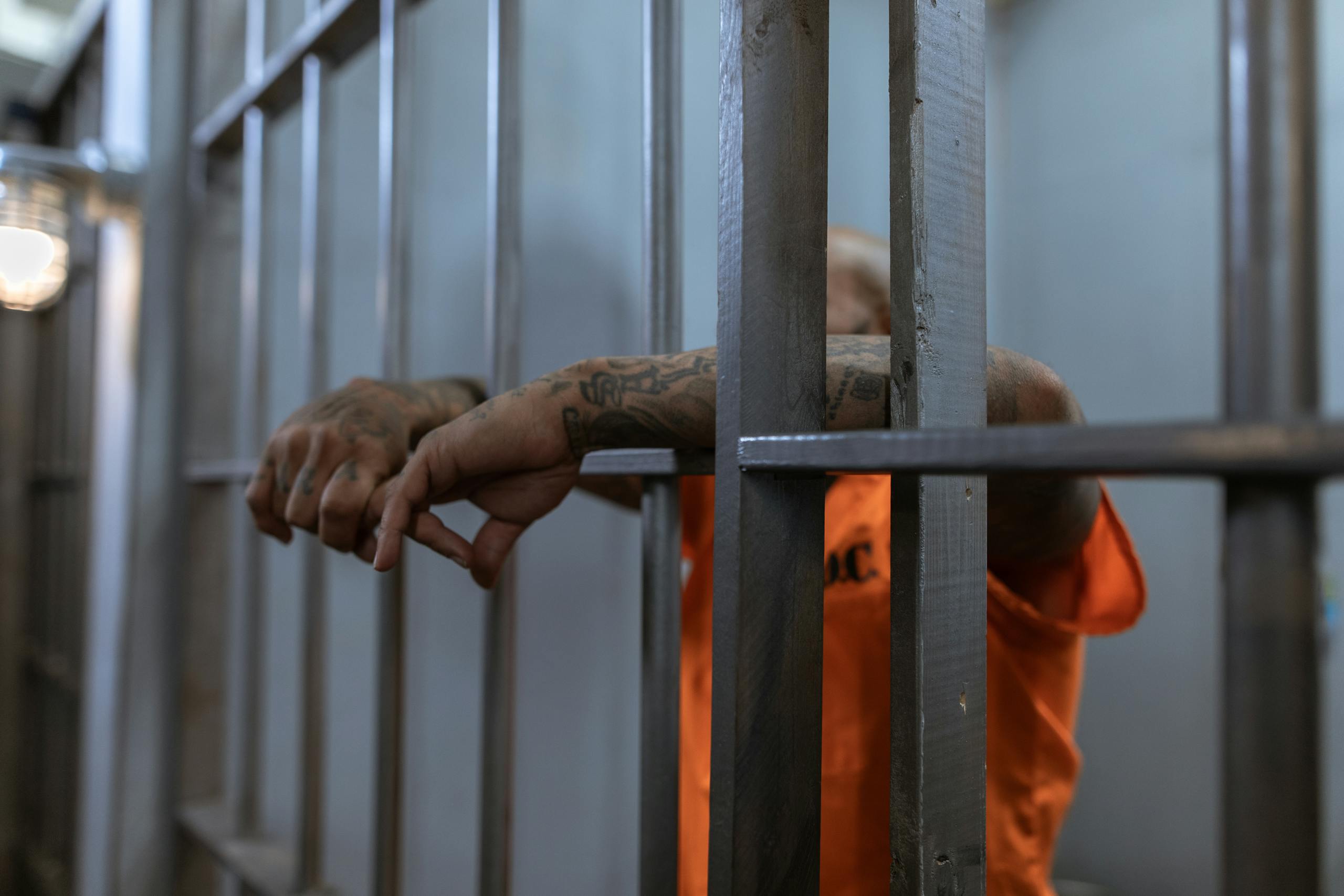
Prisons were not designed to be nursing homes. Yet more incarcerated people are growing old behind bars.
Older prisoners may need walkers, wheelchairs, heart medication, cancer treatment, dementia care, dialysis, special diets, and help with basic movement. But prison architecture is often built around punishment and control, not aging bodies. Stairs, bunks, narrow cells, long lines, and rigid schedules can become daily hazards for people with serious health problems.
The aging prison population is creating major challenges for states. One recent analysis found that people 55 and older accounted for nearly 1 in 6 prisoners as of 2022, a sharp increase from earlier decades. This raises a hard question.
What is prison supposed to do with people who are old, sick, disabled, or dying? Punishment may have been the original sentence, but decades later, the system can become a warehouse for aging bodies that need care more than confinement. That reality is expensive, painful, and morally uncomfortable.
Release does not always feel like freedom.
Leaving prison sounds like the happy ending. For many people, it is only the next struggle. A person may walk out with little money, no stable housing, no job, no transportation, old trauma, broken family ties, untreated health problems, and a criminal record that makes every application harder.
The punishment follows them into job interviews, rental forms, school plans, custody battles, voting rights, professional licenses, and basic trust from society. This is why prison can continue to shape life long after the sentence ends.
The wider correctional system includes millions of people outside prison walls as well. At year’s end 2023, more than two-thirds of people under adult correctional supervision were on probation or parole, meaning millions were still living under rules, monitoring, and consequences after incarceration or instead of it.
Freedom is not only about opening the gate. Freedom means having a real chance to live, work, heal, reconnect, and stop being defined by the worst part of your record. Without that, prison becomes less like a sentence with an end date and more like a shadow that follows people home.
Conclusion
The dark reality of life in American prisons is not just that people lose freedom. It is the punishment that often spreads into the body, mind, family, future, and identity of the person inside. Prison can mean isolation, medical neglect, violence, heat, aging without dignity, expensive family contact, and a release process that does not truly release people from the consequences of incarceration.
Some people in prison have caused real harm. Victims matter. Public safety matters. Accountability matters. But accountability should not require a system that breaks people so badly they return home sicker, angrier, poorer, more traumatized, and less able to rebuild.
A prison sentence is supposed to be the punishment. In too many American prisons, daily life becomes an extra punishment nobody wrote down, but everyone inside still has to serve.