White rice is one of the most loved foods in the world for a reason. It is affordable, filling, easy to cook, gentle on the stomach, and flexible enough to sit beside stew, curry, beans, vegetables, fish, chicken, eggs, or soup. For many families, rice is not a side dish. It is the base of the meal.
Still, we need to be honest about what white rice does and does not offer. It gives quick energy, but it has less fiber than whole grains. It can fit into a balanced diet, but oversized portions can crowd out vegetables, beans, proteins, and healthier fats. The real issue is not that white rice is “bad.” The real issue is how often we eat it, how much we serve, and what we put beside it.
Eating White Rice Alone Can Spike Hunger Faster
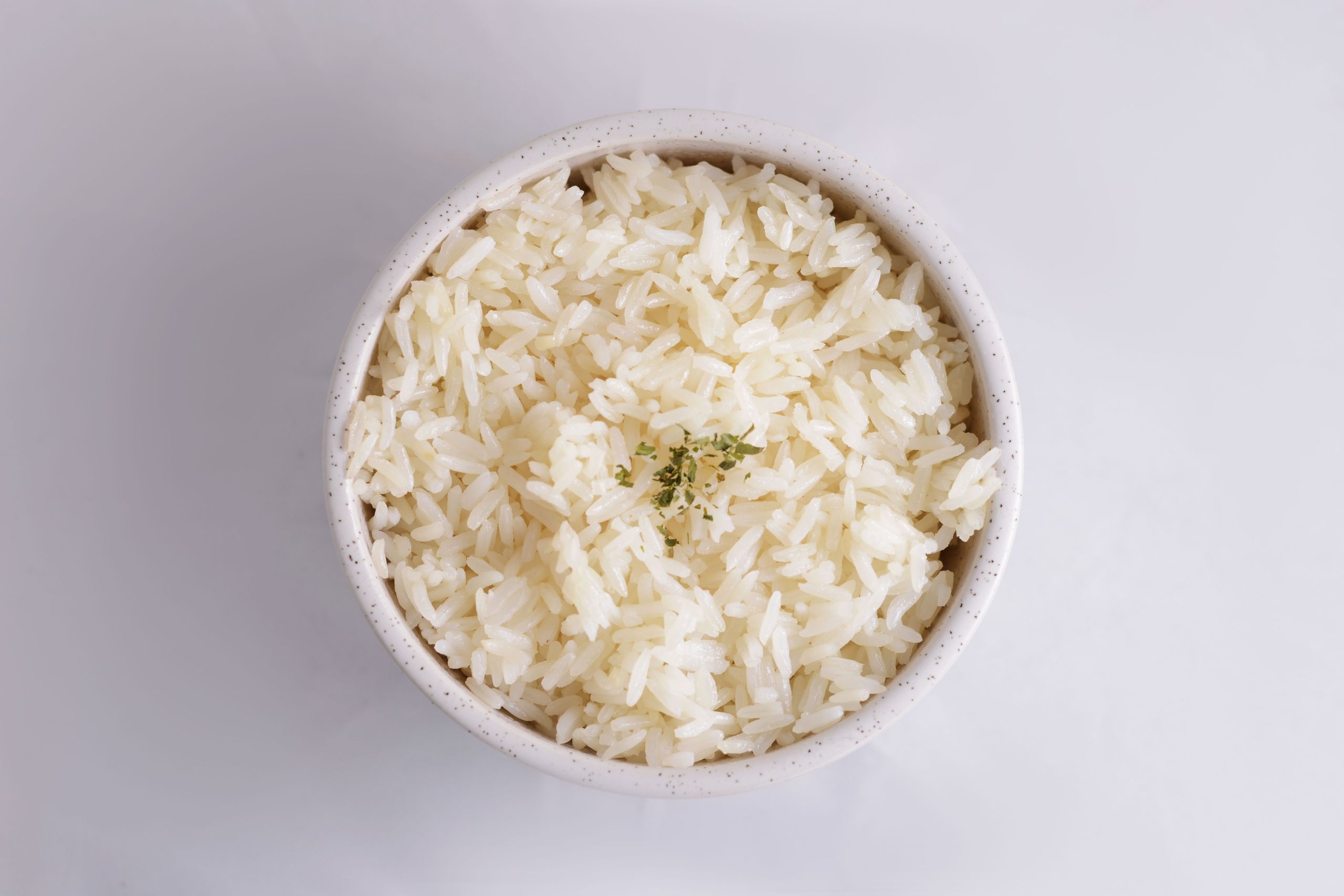
White rice is mainly a source of carbohydrates, which the body breaks down into glucose for energy. That can be useful, especially for active people, children, athletes, or anyone who needs an easy-to-digest food. The problem starts when white rice is eaten alone in a large portion with little protein, fiber, or healthy fat.
A plain bowl of white rice may fill the stomach quickly, but it may not keep hunger away for long. Without vegetables, beans, eggs, fish, tofu, chicken, lentils, or healthy fats, the meal can be digested faster and leave the body looking for more food soon after. We get better results when rice plays a supporting role instead of taking over the whole plate.
Large Portions Can Make Blood Sugar Harder To Control
White rice can raise blood sugar more quickly than higher-fiber grains because it is refined and low in fiber. That does not mean every person must avoid it completely. It means portion size matters, especially for people managing diabetes, insulin resistance, energy crashes, or frequent cravings.
A smarter plate keeps rice controlled and builds the meal around balance. We can pair a smaller serving of rice with vegetables, beans, lean protein, and healthy fats to slow digestion and improve fullness. The goal is not fear. The goal is control. A modest serving can work beautifully, but a mountain of rice with little else on the plate can create problems over time.
Low Fiber Makes White Rice Less Filling Than Whole Grains
Fiber is one of the biggest differences between white rice and whole grains like brown rice, wild rice, barley, quinoa, and oats. During processing, white rice loses the bran and germ, where much of the fiber and many nutrients are found. That gives white rice its soft texture and mild flavor, but it also makes it less filling than many whole-grain options.
This is why white rice should not always be the only grain in the kitchen. We can still enjoy it, but we should also rotate in brown rice, wild rice, millet, barley, quinoa, oats, or beans. The more variety we bring to the plate, the easier it becomes to get fiber, minerals, plant compounds, and longer-lasting fullness.
White Rice Can Crowd Out Better Foods
The problem with white rice is not always what it contains. Sometimes the problem is what it replaces. If half the plate is rice and the rest is a small spoonful of sauce, the meal may be short on vegetables, protein, and fiber. Over time, that pattern can leave the diet weaker than it needs to be.
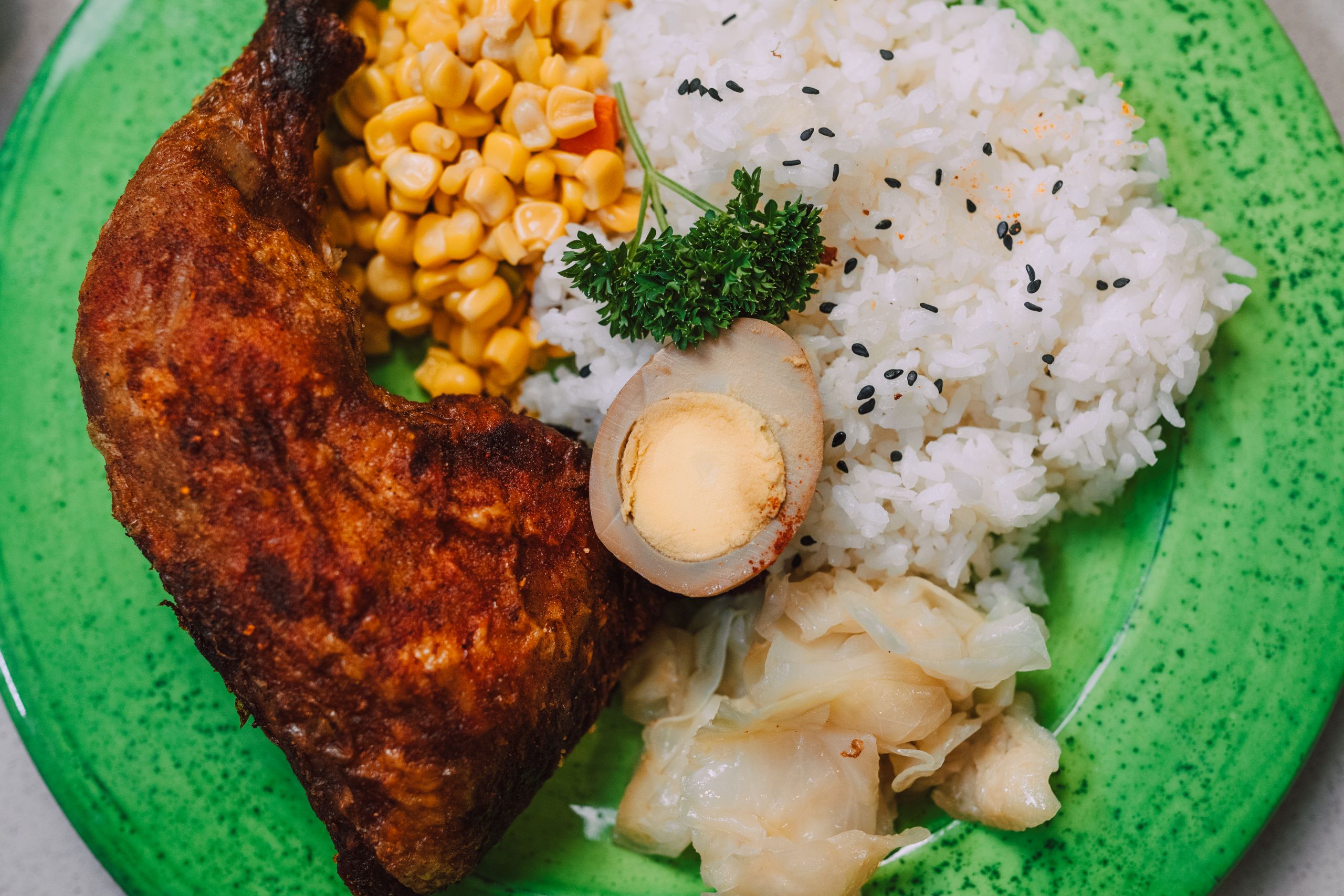
A better habit is to use rice as a base, not the whole meal. Add leafy greens, carrots, peppers, beans, lentils, mushrooms, fish, eggs, chicken, tofu, avocado, nuts, or seeds. White rice becomes less of a concern when it sits inside a colorful, balanced plate. The same rice that feels plain alone can become part of a stronger meal when paired well.
Daily White Rice Can Be Too Repetitive
Rice is easy to love because it works with almost everything. That convenience can turn into repetition without us noticing. Eating white rice every day is not automatically harmful, but eating it in the same large portions with the same low-fiber sides can make the diet too narrow.
Food variety matters because different foods bring different benefits. Beans bring fiber and protein. Vegetables bring vitamins and antioxidants. Whole grains bring minerals and texture. Fish brings healthy fats. When white rice appears daily, we should make the rest of the plate work harder. Variety protects the diet from becoming too dependent on one comfortable staple.
Rice Arsenic Concerns Deserve A Practical Response
Rice can absorb arsenic from soil and water more than many other grains. This does not mean rice is poison or that people should panic. It means frequent rice eaters should be practical, especially households with children or people who eat rice several times a day.
We can reduce risk by rotating grains, choosing rice from varied sources, cooking rice in excess water and draining it when appropriate, and avoiding making rice the only starch in the diet. Rinsing can help remove surface starch, but it is not the strongest arsenic solution on its own. The bigger answer is variety, smart cooking methods, and moderation.
Brown Rice Is Not Automatically Perfect Either
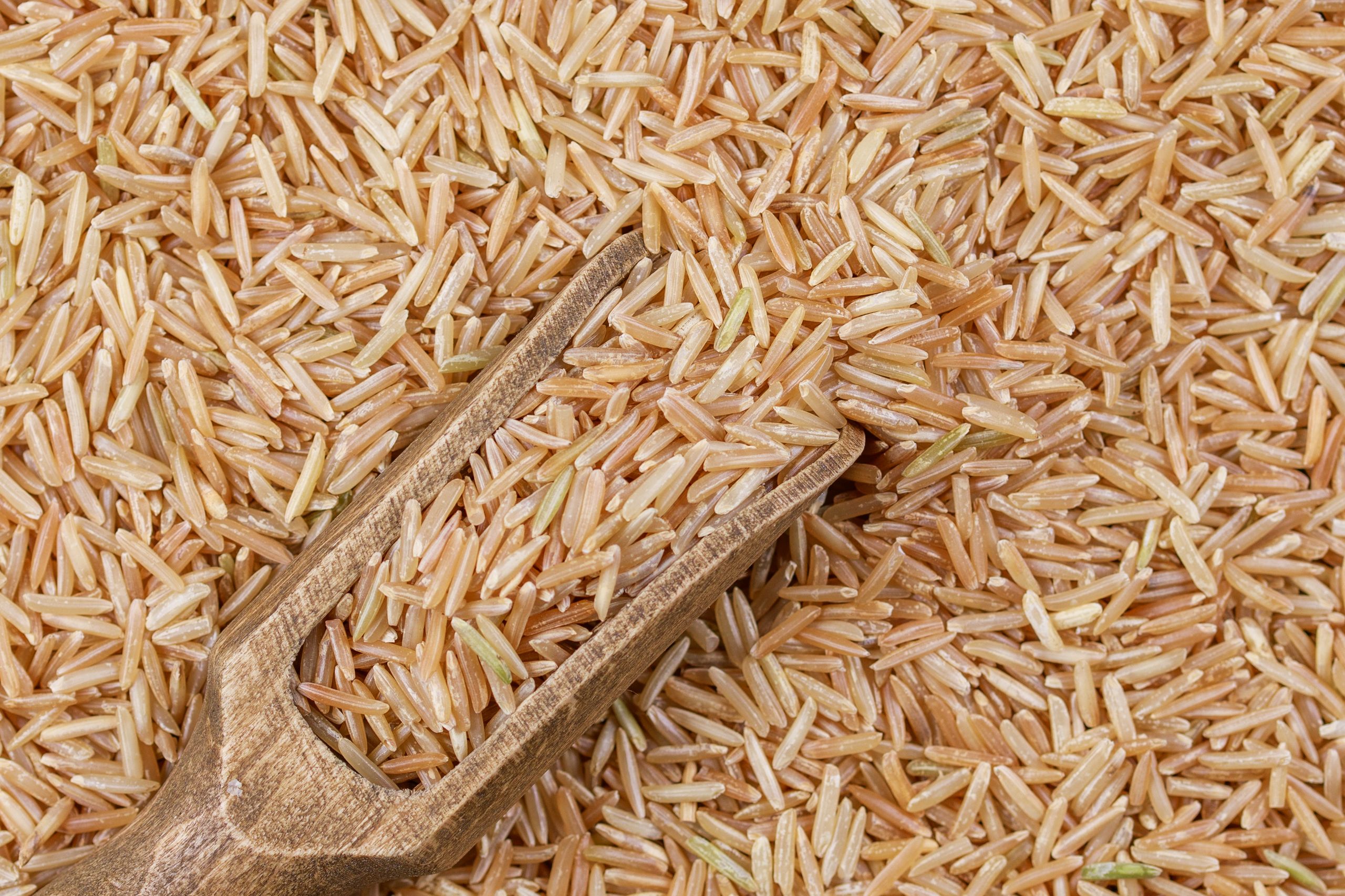
Brown rice often gets praised because it keeps more of the grain intact. It usually provides more fiber, magnesium, and nutrients than white rice. That makes it a strong option for many people, especially those trying to improve fullness or eat more whole grains. Still, brown rice is not automatically perfect for every person or every meal.
Some people find brown rice harder to digest. It also takes longer to cook and has a stronger texture that may not work with every dish. The best approach is flexible. We can use brown rice when we want more fiber, white rice when we need something lighter, and other grains when we want variety. Healthy eating works best when it is practical enough to last.
Cooling Rice Can Change How It Behaves
Cooked rice changes as it cools. Some of its starch can become resistant starch, a type of starch that resists digestion more than freshly cooked starch. This can make cooled rice slightly different for digestion and fullness, especially when used in dishes like rice salads, fried rice, or reheated grain bowls.
That does not turn white rice into a miracle food. It simply gives us another smart tool. Cooking rice, cooling it properly, and reheating it safely can be useful for meal prep. The key is food safety. Rice should not sit out for long periods, and leftovers should be cooled quickly, stored in the fridge, and reheated properly.
The Healthiest Rice Plate Is Built Around Balance
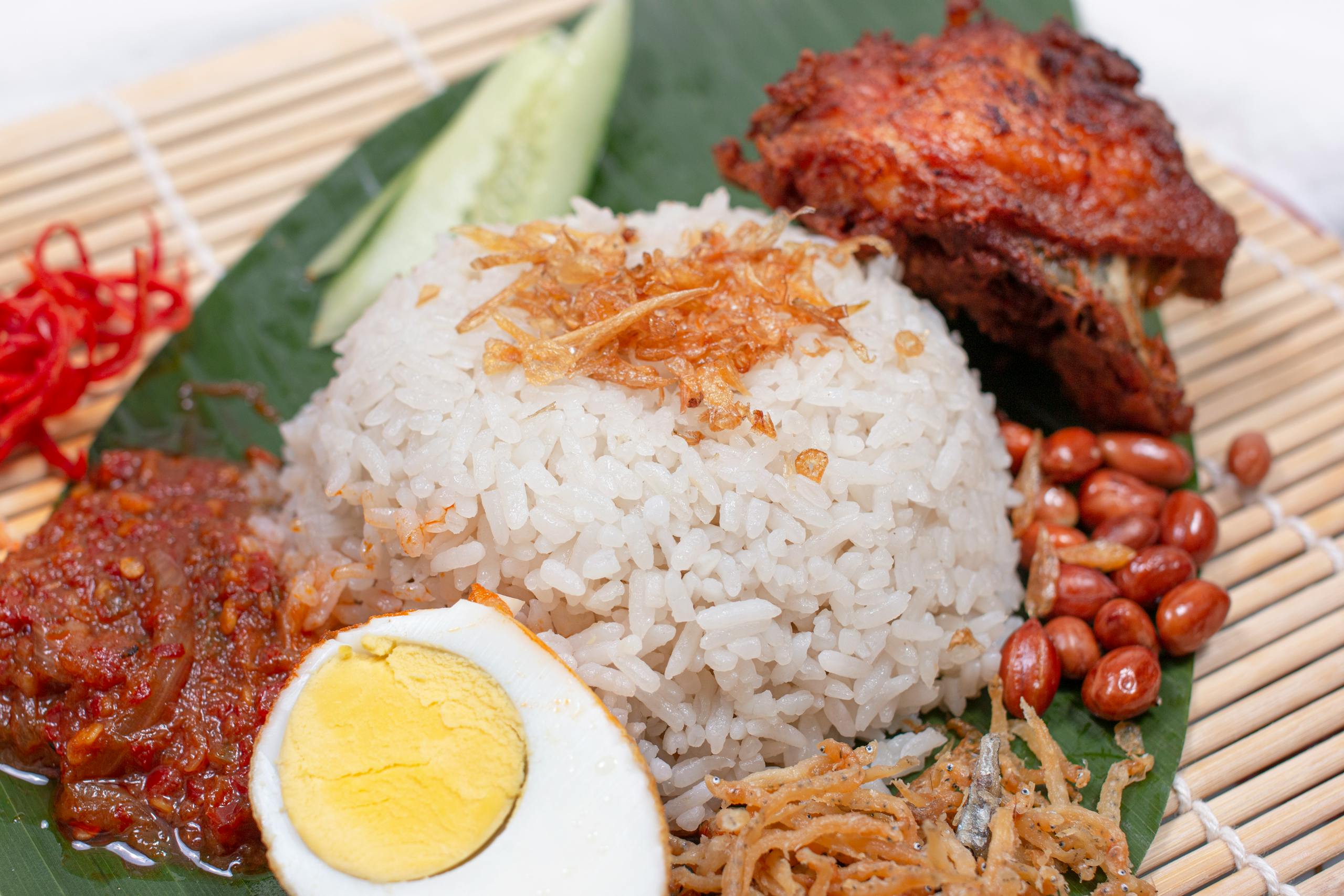
White rice works best when it is part of a complete plate. A balanced rice meal should include protein, fiber-rich vegetables, healthy fats, and flavorful seasonings. This turns rice from a quick carb into the foundation of a more satisfying dish.
A strong example is rice with grilled fish, beans, vegetables, and avocado. Another is rice with lentils, spinach, tomatoes, and olive oil. Stir-fried rice can also become healthier when we add eggs, peas, carrots, cabbage, onions, mushrooms, and a smaller rice portion. The rice is still there, but it no longer carries the meal alone.
CONCLUSION
White rice does not deserve the fear it often gets, but it also does not deserve a free pass. It is a useful staple, not a complete meal by itself. It gives energy, comfort, and convenience, but it needs the right partners on the plate.
We make white rice healthier by serving smaller portions, adding protein, loading up on vegetables, rotating grains, and paying attention to cooking habits. The smartest approach is not to ban rice. It is to stop letting rice dominate the meal without support. When we treat white rice as one part of a balanced plate, it can stay in the kitchen without quietly working against our health goals.