American dinner tables have changed dramatically over the past century, but chicken’s rise to the top has a more specific story than you might expect. According to the U.S. Department of Agriculture’s Economic Research Service, chicken availability surpassed pork in 1996 and beef in 2010, measured by the amount of boneless, edible meat available per person. By 2021, the figures stood at 68.1 pounds of chicken, 56.2 pounds of beef and 47.5 pounds of pork per person.
Yet America’s culinary past stretches well beyond those three familiar meats. Historical cookbooks, commercial records and community histories document a wider range of foods, including veal, lamb, rabbit and venison. These records do not prove that any one meat was once a nationwide staple or that chicken replaced them all. They reveal something more interesting: the different foods that have shaped American cooking over time.
Beef: The Classic That Once Led the Numbers
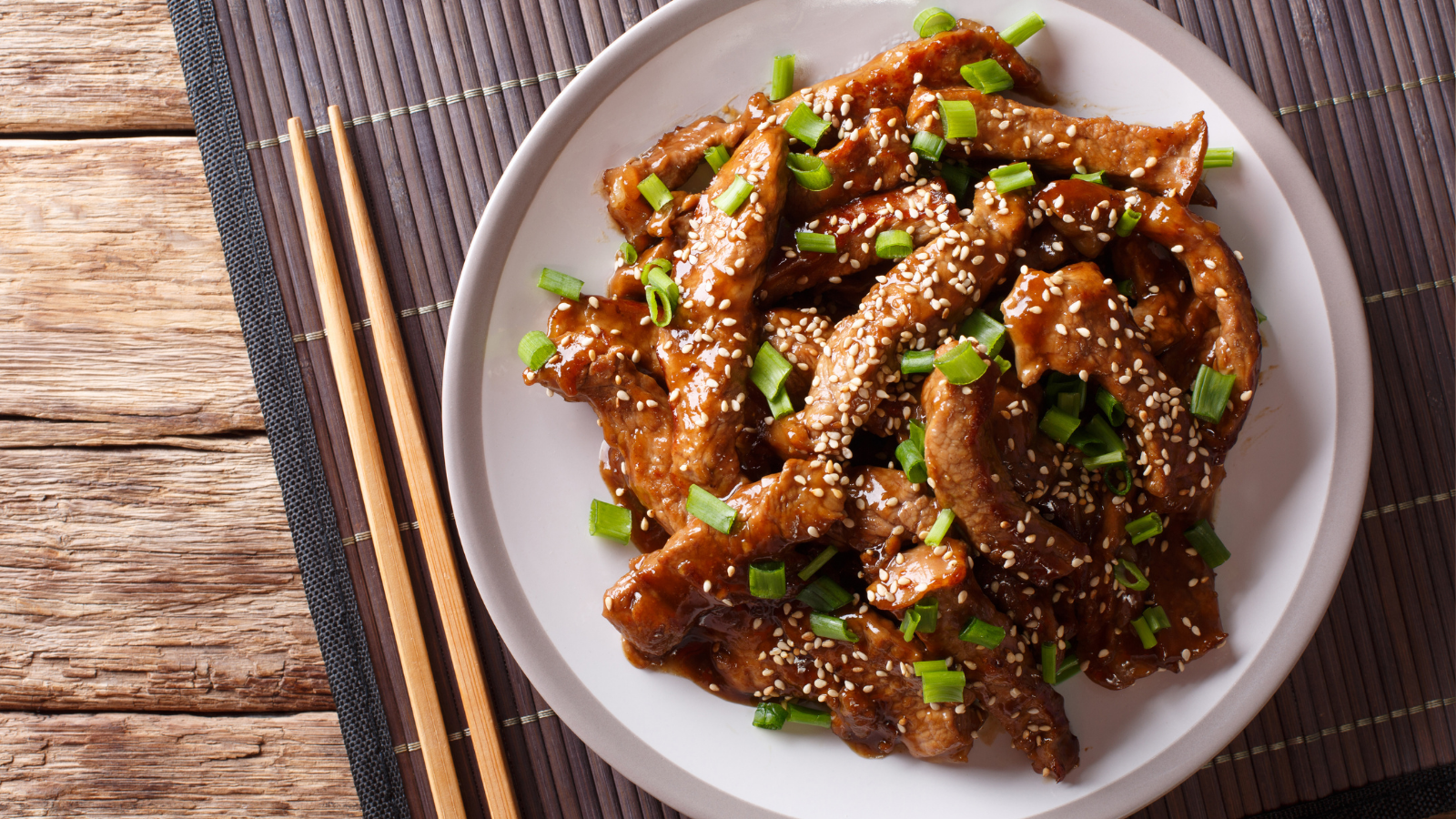
Beef has the clearest statistical connection to chicken’s rise. The USDA reports that beef availability peaked at 88.8 pounds per person in 1976 before chicken eventually moved ahead in 2010. In 2021, beef remained substantial at 56.2 pounds per person, showing that chicken’s lead did not mean beef disappeared from American tables.
Historical cooking literature reinforces beef’s longstanding place in the kitchen. Fannie Merritt Farmer’s The Boston Cooking-School Cook Book includes a dedicated beef chapter, with recipes and illustrations covering traditional preparations. The digitized cookbook provides a glimpse into the cooking instruction available to American home cooks more than a century ago.
Pork: A Former Leader That Still Has a Place
Pork offers another measurable milestone in chicken’s rise. The USDA’s historical series shows chicken overtaking pork in 1996, although 47.5 pounds of pork per person remained available in 2021. That figure reminds us that a shift in the leading category doesn’t mean the previous contender vanished.
Farmer’s cookbook also devotes a chapter to pork. Michigan State University’s description of its 1896 edition identifies preparations such as pork chops with fried apples, a combination that captures the period’s approach to pairing meat with fruit. The historical evidence establishes pork’s place in published home cookery, not how often every American household served it.
Veal: A Separate Chapter in Traditional Cookery
Veal deserves its own place in this story rather than being casually folded into beef. Farmer’s revised 1910 cookbook gives it a dedicated chapter, while the earlier edition includes veal cutlets, roast veal, braised shoulder, and veal loaf.
These dishes demonstrate that veal had an established place in formal American cooking instruction. However, neither the cookbook nor the USDA’s broad supply statistics establishes what proportion of households purchased veal or proves that chicken caused its later decline. Its history is documented, but its former national popularity cannot be quantified from these sources alone.
Lamb and Mutton: Two Names Preserved in One Tradition
Lamb and mutton appear together in a dedicated chapter of Farmer’s 1910 cookbook. Its illustrations include lamb chops, a crown of lamb, and a saddle of mutton, showing the range of preparations offered to readers at the time.
The distinction between the two names matters because the USDA also groups lamb and mutton in its relevant supply statistics. Historical evidence confirms both belonged in American culinary instruction, but it does not show either ever overtook chicken nationally. Their inclusion here reflects documented food history rather than a claim that either was once a nationwide favorite.
Rabbit: From Community Foodways to Wartime Promotion
Rabbit has a documented place in particular American food traditions. A National Park Service resource, written by members of the Mandan Hidatsa Arikara Nation for an educational guide, identifies rabbits among the small game Knife River villagers ate. The account describes hunting as part of a broader food system that also included agriculture, fishing, and food preservation.
Rabbit also appeared in federal wartime food-supply promotion. The U.S. Fish and Wildlife Service preserves 1943 archival documents encouraging the use of domestic rabbit meat during shortages. Those records establish that rabbit was promoted as a food option during the war, but they do not tell us how many Americans followed that advice or how widely rabbit appeared on their dinner tables.
Squab: A Commercial Market Beyond the Family Farm
Squab, the culinary term for a young pigeon, was not simply a hunted food. John S. Trecartin’s 1920 manual, Raising P. V. Squabs for Profit, documents a commercial operation in New Jersey, including the raising, marketing, and sale of squabs.
Trecartin described squabs reaching market at approximately four to four-and-a-half weeks after hatching. His firsthand account demonstrates that a commercial market existed and that producers approached squab raising as a business. It does not establish how widespread the practice was nationally, and the author’s claims about profitability should be understood as the testimony of an interested producer.
Duck: A Place in Formal Home Cooking
Duck appears in Farmer’s The Boston Cooking-School Cook Book under poultry and game. The 1910 edition includes an illustration captioned “Duck, stuffed and trussed for roasting,” documenting a preparation presented in an established American instructional cookbook.
That is meaningful historical evidence, but it cannot tell us how often households served duck or whether it was common across different regions and income groups. The careful conclusion is that duck had a recognized place in period cooking instruction, not that chicken later eliminated it from American menus.
Goose: A Documented Roast-Dinner Tradition
Goose also appears in an older American cooking tradition. The Henry Ford Museum reproduces a recipe for roast goose with potato stuffing, explicitly crediting Farmer’s 1896 cookbook. The preparation combines mashed potatoes, breadcrumbs, onion, sage, and other ingredients in the stuffing, with apple sauce served alongside.
The museum presents the recipe within its Edison Homestead historical program, framed around 1915. That context helps readers understand the period being represented, but it is not the recipe’s invention date or proof that every household served goose. The surviving cookbook is evidence of a published culinary tradition, not a national consumption survey.
Venison: A Food Tradition That Continues
Venison belongs in this history for reasons that go beyond nostalgia. The National Park Service’s account of the Hidatsa, Mandan, and Arikara identifies mule deer and white-tailed deer among the animals that supplied food to these communities. It also describes methods of preserving meat through drying and smoking.
Importantly, the same resource documents continuity: community members continue to hunt deer and other game, and some families still dry deer, beef, and buffalo meat. Venison therefore should not be presented as a food that disappeared when chicken became more widely available. These practices belong to particular communities and should not be generalized to every Indigenous nation or American household.
What Chicken’s Rise Really Tells Us
The USDA’s figures describe meat availability, not a direct count of meals eaten. The agency estimates the food supply using production, imports, stocks, and other factors, then adjusts for specified uses and exports. Its figures show broad trends, but they cannot tell us which meat appeared on a particular family’s table.
That distinction is important when looking back at these nine categories. Beef and pork have documented national comparisons with chicken, while evidence for veal, lamb, rabbit, squab, duck, goose, and venison comes from historical recipes, commercial records, and community accounts. Together, those sources reveal the breadth of American food history without suggesting that all nine meats were once equally popular.
Related: Explore 8 Retro Foods That Only Boomers Still Love for more familiar dishes and the food traditions that still inspire home cooks.