Ordering household supplies online has made shopping more convenient. People can buy groceries, cleaning products, and everyday necessities without leaving home.
However, convenience doesn’t always mean delivery is the best option.
Sometimes you need an item immediately, but delivery charges, minimum order requirements, or unexpected delays can make a simple purchase frustrating.
Keeping a small supply of frequently used household essentials can help avoid these situations.
Here are eight items worth keeping on hand.
An Extra Pack of Toilet Paper
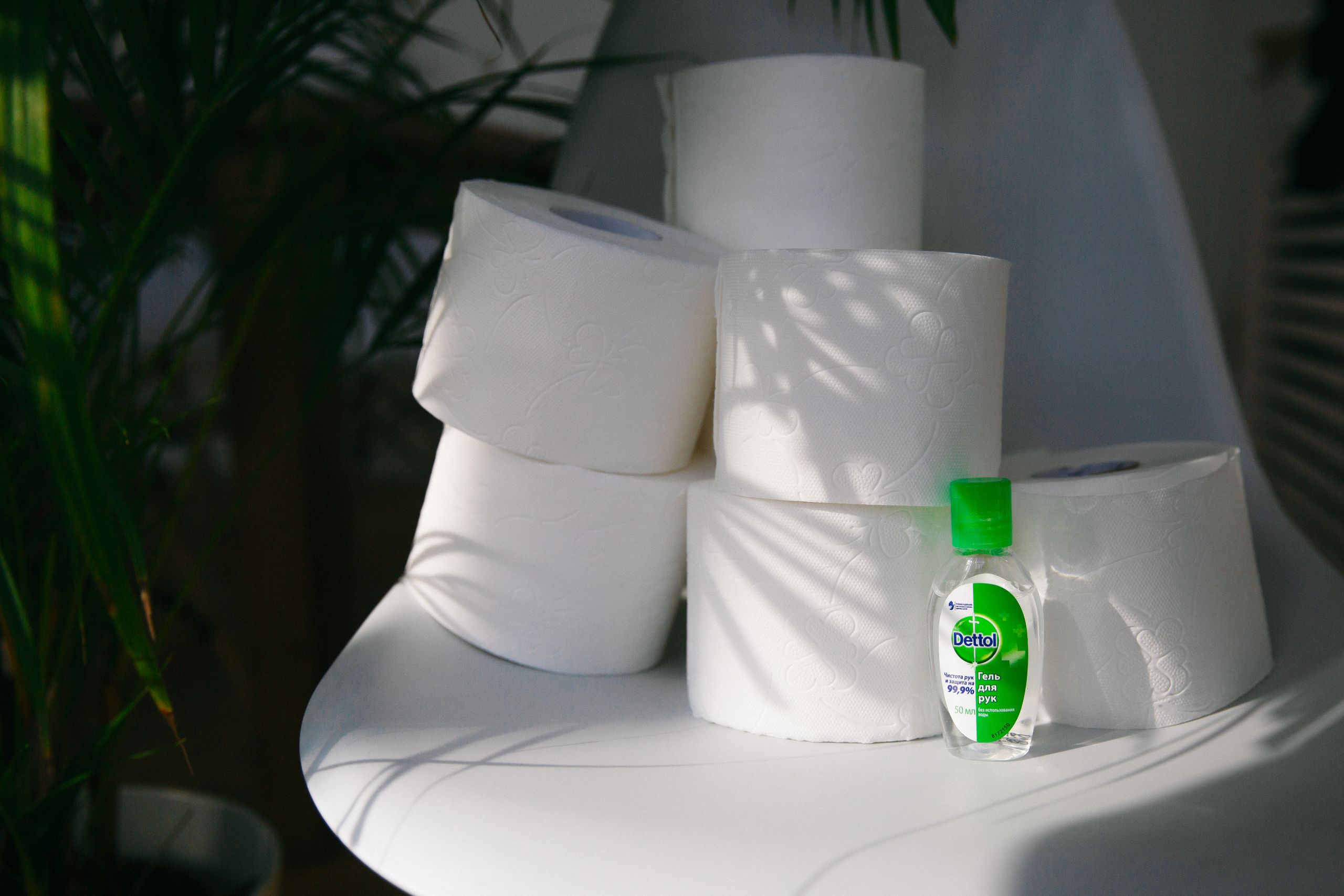
Toilet paper is one household product people may not think about until the last roll is almost finished.
Keeping one unopened backup package can prevent an inconvenient situation when the household runs out unexpectedly.
You don’t need to buy excessive quantities or dedicate an entire cupboard to storing it.
A simple approach is to add another package to the shopping list when the backup supply is opened.
This routine makes it easier to maintain an adequate supply.
Spare Batteries for Common Household Devices
Batteries are used in several everyday household items, including remote controls, flashlights, and certain electronic devices.
When a battery stops working, people may need to replace it immediately.
Keeping a small supply of commonly used battery sizes can help.
However, buy the correct type and store batteries according to the manufacturer’s instructions.
Avoid buying more than you need, especially if your household rarely uses battery-powered devices.
A Manual Can Opener
An electric can opener may be convenient, but it depends on electricity or batteries.
A manual can opener provides a simple alternative.
It takes up little storage space and can be useful if an electronic opener stops working or isn’t available.
Households that regularly purchase canned food may find it particularly useful.
It is a small item, but having one can prevent unnecessary inconvenience during meal preparation.
A Small Supply of Pantry Meals
Keeping a few shelf-stable food items at home can make meal preparation easier when you don’t have time to shop.
Products such as pasta, canned beans, canned vegetables, and suitable soups can help you prepare simple meals.
The idea is not to fill the pantry with food that may never be used.
Instead, choose ingredients the household already enjoys and knows how to prepare.
It is also important to check product dates and rotate stored items so older suitable products are used first.
Extra Laundry Detergent
Laundry is a regular household responsibility, and running out of detergent can disrupt the routine.
Keeping one backup container can prevent an unnecessary trip to the store when the current supply runs out.
Choose a detergent suitable for the household’s washing needs and follow the manufacturer’s storage instructions.
There is no need to stockpile several containers.
One additional supply may be enough for convenience without taking up too much storage space.
Replacement Light Bulbs
A burnt-out bulb can become inconvenient, particularly in frequently used areas such as hallways, staircases, and bathrooms.
Keeping a replacement bulb on hand makes it easier to address the problem without an immediate shopping trip.
Before purchasing replacements, check the bulb type, fitting, brightness, and other specifications required by the fixture.
An Extra Phone-Charging Cable
Store replacement bulbs in a designated location where they can be found easily.
Phones have become important tools for communication, work, entertainment, and everyday activities.
Keeping a compatible spare cable at home provides an alternative when the main one is missing or stops working.
A damaged or missing charging cable can create unnecessary inconvenience.
Choose a certified accessory compatible with the device rather than an unsuitable, low-quality replacement.
Store the spare in a designated drawer so it’s ready when you need it.
Basic Hardware for Small Household Repairs

Small household problems sometimes require simple tools or replacement hardware.
A loose cabinet handle, a missing screw, or a wobbly chair may not require a major repair, but finding the right item at the last minute can be frustrating.
A small organizer containing commonly needed screws, washers, picture hangers, and felt pads can be useful.
People can add other basic items depending on the repairs they regularly handle.
For complicated repairs, professional assistance is still the better option.
Final Thoughts
Keeping household essentials on hand doesn’t mean spending money on unnecessary stockpiles.
The goal is to identify products the household regularly uses and maintain a reasonable backup supply.
Toilet paper, batteries, pantry ingredients, laundry detergent, and basic household hardware are examples of items that can make everyday routines easier.
By planning ahead and tracking what is running low, households can avoid unnecessary last-minute purchases and delivery fees.