Cleaning products can quietly turn into one of the sneakiest household expenses. We buy one spray for glass, another for counters, another for floors, another for laundry, another for smells, and somehow the cabinet under the sink starts looking like a tiny chemical warehouse.
The problem is simple. Many of these products either duplicate what basic cleaners already do, cost more because of packaging, or create a new habit that keeps us buying refills forever.
A smarter cleaning routine does not mean living with dust, stains, odors, or grimy floors. It means choosing products that actually solve the problem instead of paying extra for convenience, scent, branding, or single-use packaging.
In many homes, a few reliable basics can replace half the products sitting unused in the cabinet. Soap, water, microfiber cloths, a good mop, vinegar for appropriate surfaces, baking soda, a proper disinfectant when needed, and a dependable vacuum can do more than most trendy cleaning products promise.
Laundry Detergent Pods Cost More for Less Control

Laundry detergent pods look neat, fast, and mess free, but they are often one of the most expensive ways to wash clothes. We pay for pre measured convenience, colorful packaging, and brand marketing, then lose the ability to adjust the amount of detergent based on load size, soil level, or water hardness. A small load may not need a full pod, and a heavily soiled load may need more cleaning power than one pod can deliver.
Pods also raise safety concerns in homes with young children because their bright, squishy appearance can make them look tempting. Poison control guidance warns that biting into a detergent pod can cause coughing, choking, breathing trouble, eye burns, and other serious effects.
A better choice is a concentrated liquid or powder detergent that lets us measure exactly what we need. For most households, a fragrance free or lightly scented detergent works well, especially for people with sensitive skin. We should also avoid using too much detergent, because excess soap can leave residue in fabrics and inside the washing machine.
Scent Boosters Make Clothes Smell Stronger, Not Cleaner
Laundry scent boosters are a perfect example of a product that creates a new “need” instead of solving a real cleaning problem. They do not remove stains, kill odor causing bacteria, soften fabric, or improve the wash cycle. They simply add a stronger fragrance that clings to clothing, towels, bedding, and sometimes the washing machine itself.
The issue is that a stronger scent can trick us into thinking laundry is cleaner. Fresh fragrance is pleasant, but it can cover up mildew, sweat residue, or detergent buildup instead of fixing the cause. For some people, heavy fragrance can also be irritating, especially on pillowcases, workout clothes, children’s clothes, and underwear.
We should use the right amount of detergent, wash sweaty clothes promptly, avoid overloading the machine, and leave the washer door open after use to allow moisture to escape. If we want a light scent, wool dryer balls with a tiny amount of essential oil can be enough, although unscented laundry is often the cleanest and safest choice.
Dryer Sheets Leave Residue and Keep Us Buying Refills

Dryer sheets feel harmless because they are small, cheap, and easy to toss into the dryer. Over time, though, they become another repeat purchase that can leave waxy residue on fabrics, lint screens, and towels. That residue may reduce towel absorbency and make athletic fabrics feel less breathable.
Dryer sheets are also wasteful by design. We use one, throw it away, and repeat the cycle again with every load. For a household that does laundry several times a week, the cost adds up quietly, and the trash adds up with it.
Wool dryer balls are a better long-term option. They can help separate clothes, reduce drying time slightly, and soften fabrics without coating them in fragrance and residue. We can also prevent static by avoiding overdrying, since very dry air and overcooked fabrics worsen it.
Disinfecting Wipes Are Overused for Everyday Messes
Disinfecting wipes are useful in certain situations, but many households use them for nearly everything. A crumb on the counter, a coffee spill, a dusty table, and a bathroom sink do not all need the same disinfecting wipe. That habit burns through canisters fast and creates constant plastic waste.
The bigger issue is that disinfecting is not the same as cleaning. Public health guidance explains that cleaning with soap or detergent removes dirt and many germs first, and surfaces should be cleaned before sanitizing or disinfecting because dirt can block the chemical from working properly.
For daily messes, we should use a washable cloth with soap and water or an all-purpose cleaner. We can save disinfectants for high-touch surfaces during illness, raw meat cleanup, bathroom sanitation, or situations where germ control actually matters. When we do disinfect, the surface needs to stay wet for the product’s required contact time, which many quick-wipe users ignore.
Paper Towels Drain Money One Spill at a Time
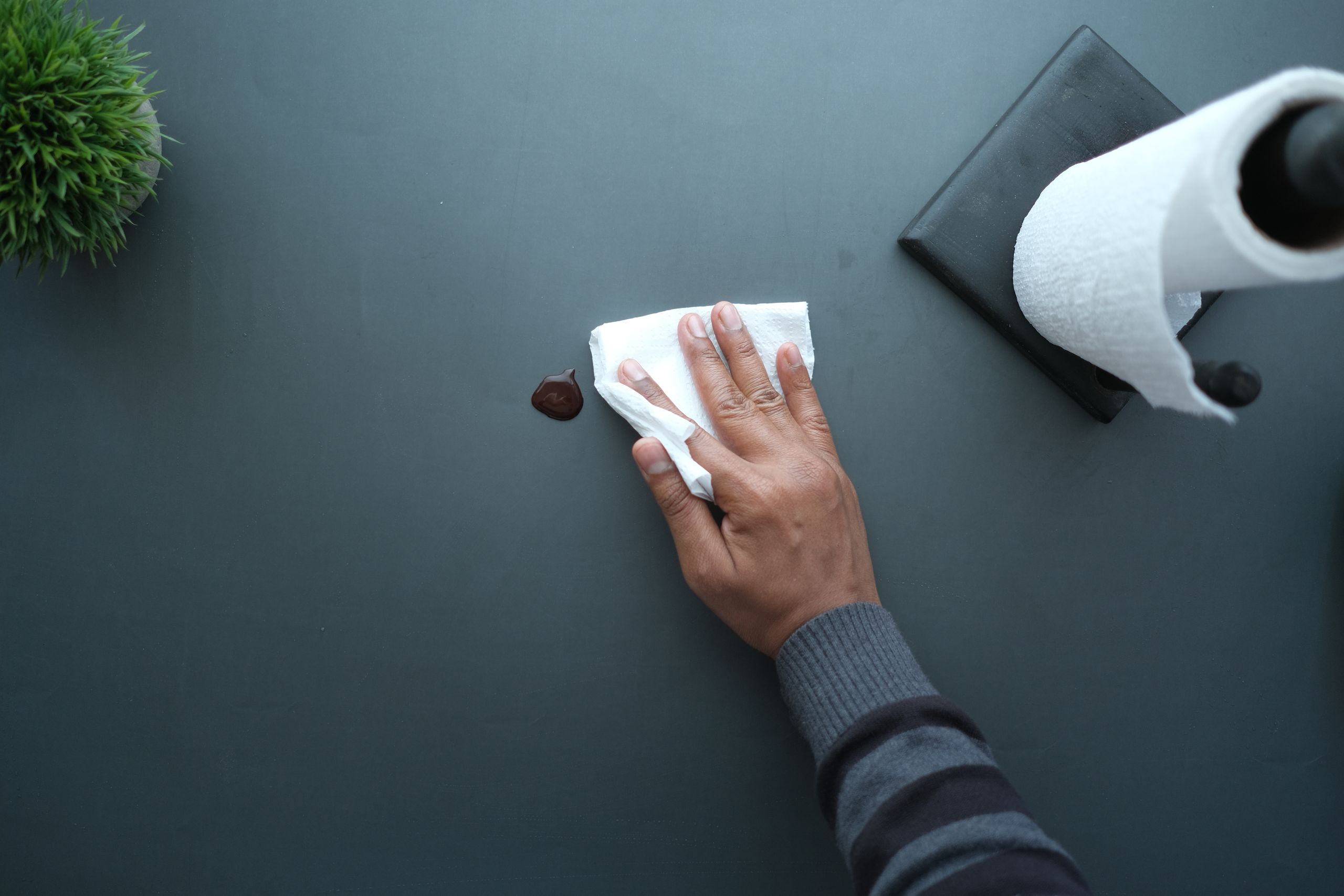
Paper towels are convenient, but they train us to pay for something we immediately throw away. A busy kitchen can burn through rolls quickly, especially when paper towels are used for counters, mirrors, spills, hands, pet messes, and food prep. What feels like a small weekly purchase becomes a steady annual expense.
They also perform poorly for some jobs. Paper towels can leave lint on glass, shred on rough surfaces, and require multiple sheets for bigger spills. When they come into contact with grease, chemicals, or food waste, they usually cannot be recycled.
Reusable microfiber cloths, cotton rags, old T-shirts, and designated kitchen towels can replace most paper towel use. We can keep a small roll for truly unpleasant messes, but the main cleaning routine should rely on washable cloths. A color-coded cloth system helps keep bathroom, kitchen, glass, and floor cloths separate.
Disposable Mop Pads Turn Floor Cleaning Into a Refill Trap
Disposable dry and wet mop pads are built around convenience, but they lock us into buying refills again and again. They work well for light dust and quick touch-ups, yet they are not the most economical choice for a whole home. Large rooms, pet hair, sticky kitchen spills, and muddy entryways often require several pads in one session.
The hidden cost is not just money. Single-use pads fill the trash, and wet pads often contain fragrance and cleaning solution that may not suit every flooring type. We also lose control over how much moisture or cleaner comes into contact with the floor.
A washable microfiber mop is a better investment. It handles dust, pet hair, and damp cleaning without disposable pads. For deeper cleaning, a spin mop or flat mop with a removable, washable head offers better pressure, better coverage, and greater control over moisture.
Steam mops can damage floors; they claim to Refresh

Steam mops sound powerful because steam feels like a deeper clean. The problem is that heat and moisture are a risky combination for many floors. Hardwood, laminate, and some engineered floors can warp, dull, bubble, or separate when exposed to steam, especially if moisture slips into seams.
Consumer flooring guidance warns against using steam mops on wood flooring because hot water and moisture can cause warping and damage. That makes steam mops a poor choice for homes with mixed flooring unless we carefully check every manufacturer’s care instructions.
A safer method is to dry-dust first, then damp-mop with a well-wrung mop and a cleaner approved for the floor type. The goal is not to soak the floor. The goal is to lift soil while leaving the surface dry within minutes.
Conclusion
The most useless cleaning products tend to follow the same pattern. They make cleaning feel easier at first, but then cost more due to refills, waste, fragrance, single-use packaging, or surface damage. They also crowd the cabinet with products that overlap.
A better home cleaning routine is simpler and more intentional. We should buy fewer products, choose reusable tools, clean before disinfecting, avoid harsh chemicals unless truly needed, and stop paying extra for scent or convenience. The cleanest home is not the one with the most bottles under the sink. It is the one where every product earns its place.