Have you ever wondered whether the way you sleep says something about who you are? Maybe you curl up like a baby, stretch your arms forward, or sleep flat on your back with your hands beside you. Some popular theories suggest these sleeping positions reveal hidden personality traits.
According to a widely reported 2003 survey by British sleep researcher Chris Idzikowski, people who fall asleep in different positions were associated with different personality descriptions. For example, fetal-position sleepers were described as sensitive beneath a tough exterior, while people who slept on their sides with their arms stretched forward were considered cautious decision-makers.
It sounds interesting, but there is a catch. Scientists have not established that sleeping positions can reliably reveal someone’s personality. Some small studies have explored possible connections, but the findings are too weak to use as a personality test.
Still, these six popular sleeping styles are fun to explore. Here is what the theories say about each one and what research actually tells us.
The Fetal Position: Sensitive Beneath a Tough Exterior
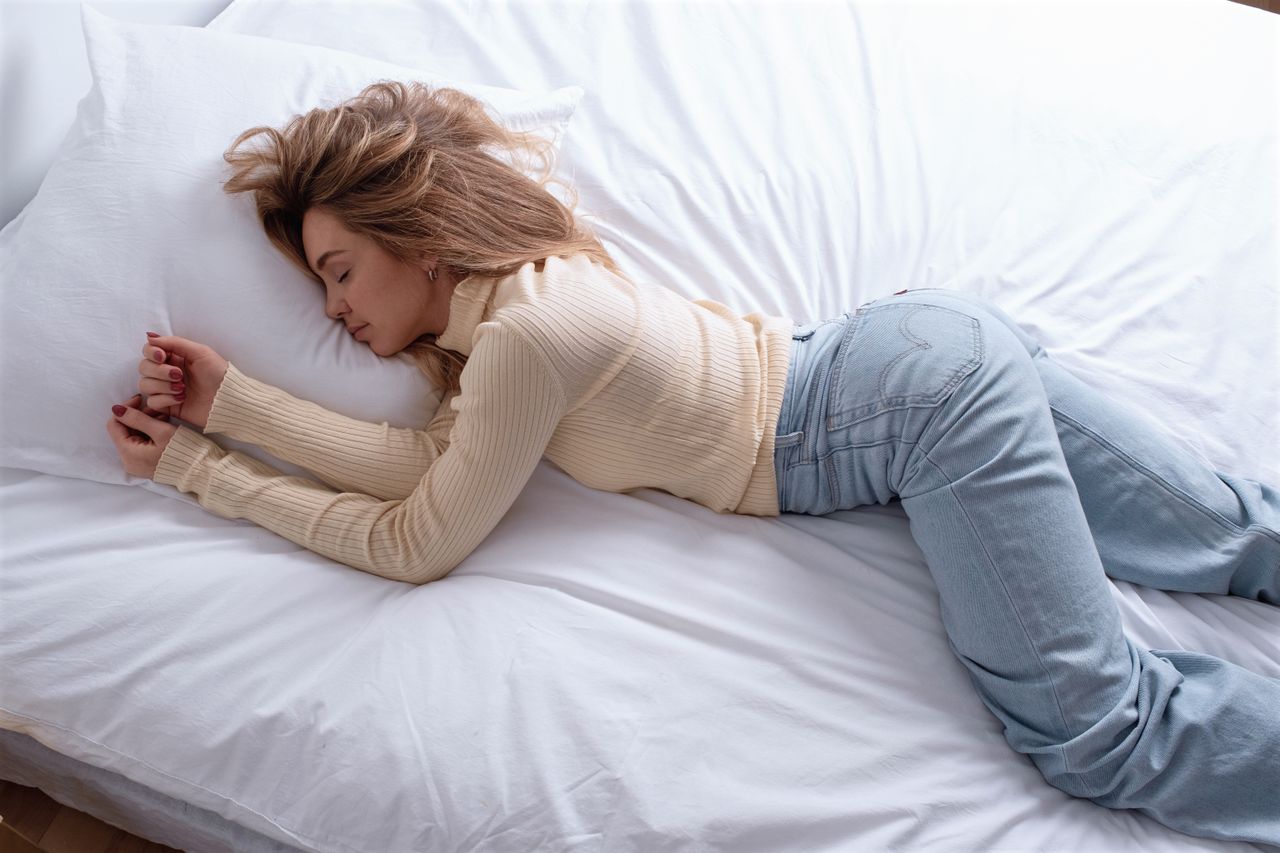
The fetal position is one of the most recognizable sleeping styles. People who sleep this way lie on their sides with their knees pulled toward their chest and their bodies slightly curled.
In Idzikowski’s 2003 survey, this position was associated with people who appeared tough on the outside but were sensitive underneath. They were also described as initially shy but becoming more comfortable and relaxed once they got to know someone.
If you recognize yourself in this description, you might find it relatable. Perhaps you take a little time to warm up to new people but become friendly once you feel comfortable.
However, research does not establish that fetal sleepers are more sensitive or insecure than other people. A small 2002 study by Michael Schredl found no significant difference in anxiety or self-confidence between fetal-position sleepers and other participants.
Sometimes, curling up is simply a comfortable sleeping habit.
The Log Position: Easygoing and Sociable
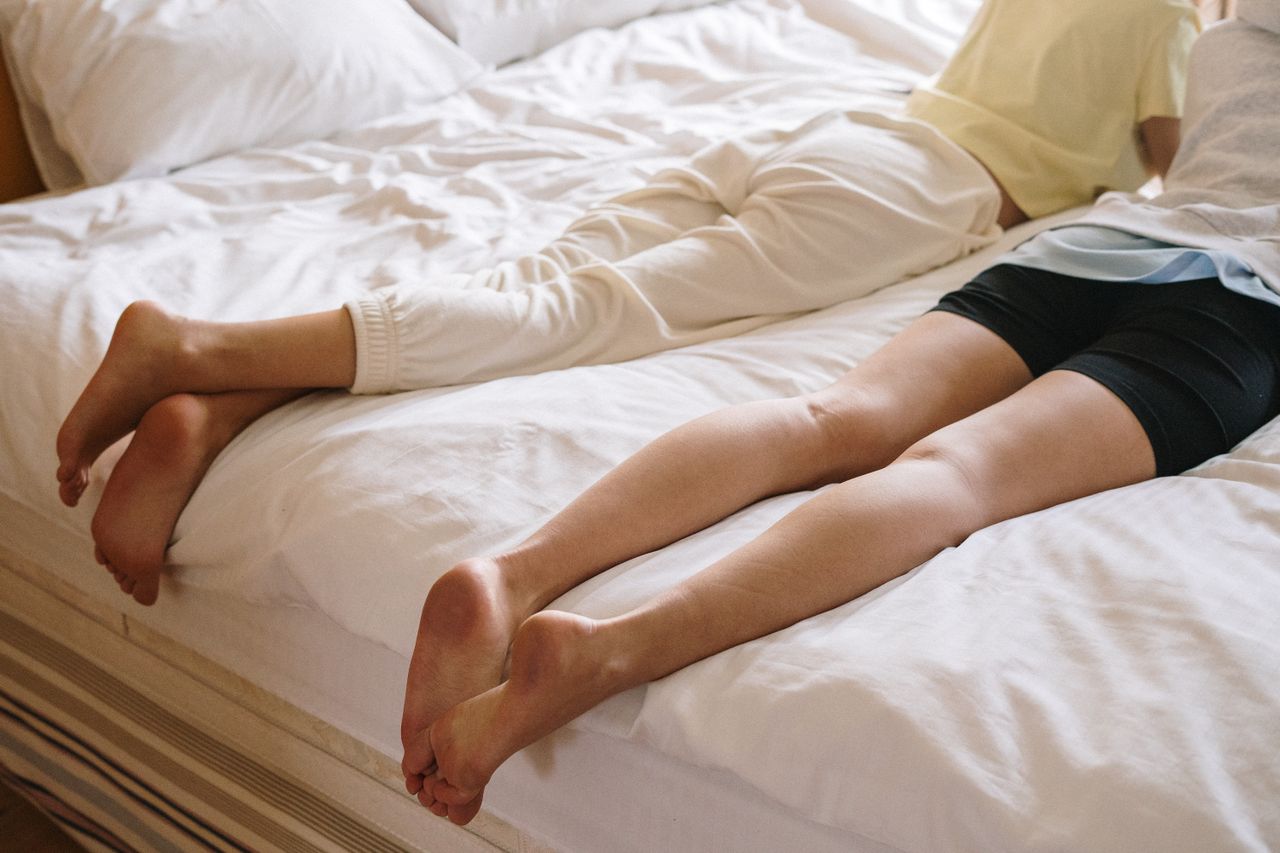
Do you sleep on your side with your legs extended and your arms resting straight beside your body? You might recognize this as the log position.
According to the popular personality theory, log sleepers are friendly, relaxed, and comfortable around other people. They are often described as trusting strangers and enjoying social interactions.
The less flattering part is that they may sometimes trust people too easily.
Imagine someone who makes friends quickly, enjoys meeting new people, and rarely feels uncomfortable in a social gathering. That is the personality traditionally associated with this sleeping style.
But no convincing scientific evidence shows that sleeping with straight arms makes someone more sociable or trusting. Your sleeping posture may reflect comfort, pillows, and personal habits more than your social personality.
The Yearner Position: Open-Minded but Careful
The yearner position involves sleeping on your side with both arms stretched forward, almost as if you are reaching for something.
Popular interpretations associate this position with people who are open-minded but sometimes suspicious or cautious. They are also described as taking their time when making decisions but sticking firmly to their choices once they have made them.
For example, someone with this supposed personality might carefully consider a job offer, compare different opportunities, and ask plenty of questions before making a final decision.
Once they commit, however, they may not easily change their minds.
It is an interesting description, but researchers have not independently confirmed that this arm position predicts decision-making habits or personality.
Your arms might simply be reaching toward a comfortable pillow.
The Soldier Position: Quiet and Disciplined
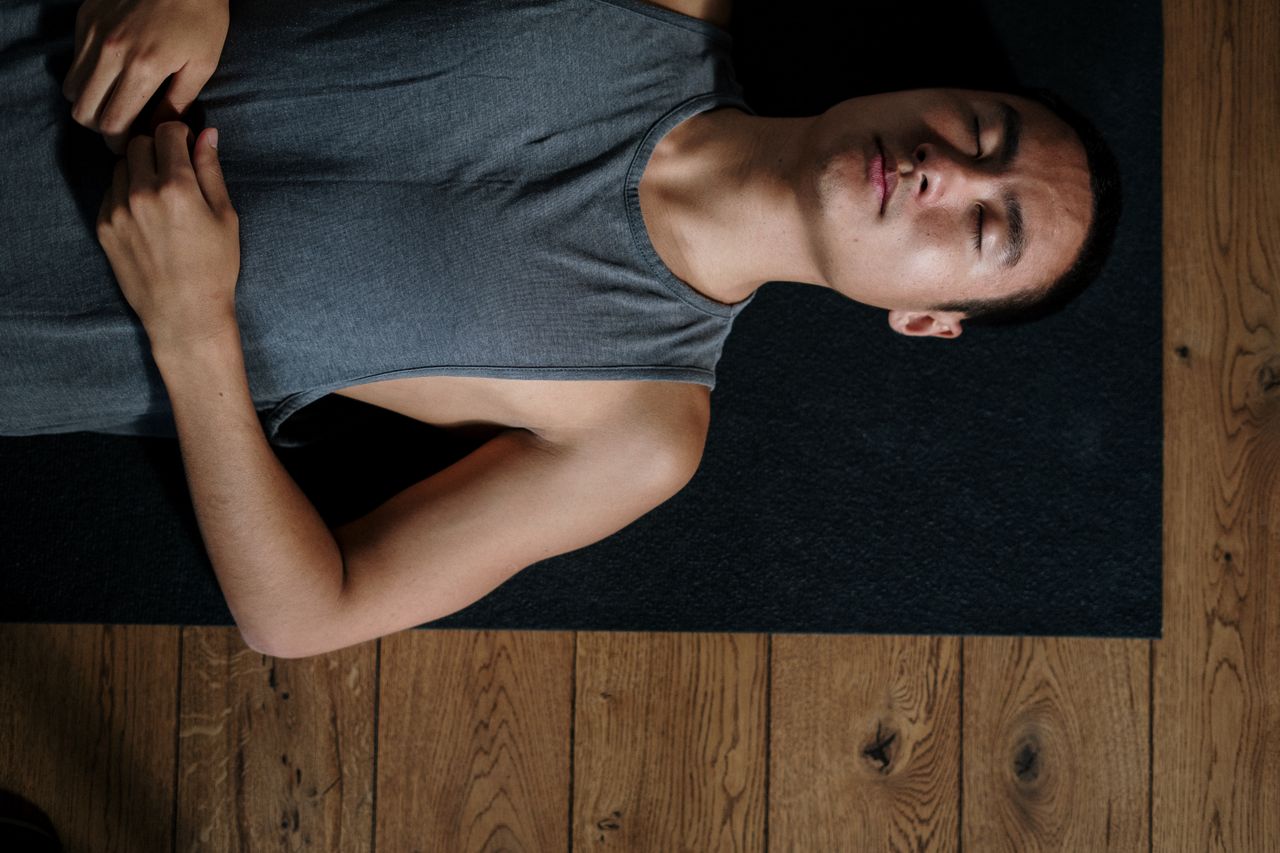
The soldier position involves lying flat on your back with your arms straight beside your body and your legs extended.
According to Idzikowski’s survey, people who sleep this way were described as quiet, reserved, and uncomfortable with unnecessary drama. They were also associated with setting high standards for themselves and others.
Think of someone who prefers an organized environment, takes responsibilities seriously, and does not enjoy being the center of attention.
That description may sound familiar to some people who sleep this way.
However, strong scientific evidence does not link the soldier position to discipline, perfectionism, or reserved behavior.
Sleeping on your back can also depend on comfort, mattress support, and physical circumstances. The position alone cannot tell you how organized or disciplined someone is.
The Starfish Position: Helpful and a Good Listener
The starfish position is easy to recognize. A person lies on their back with their arms raised near or around the pillow. Their legs may also be spread slightly apart.
The popular personality description suggests that starfish sleepers are helpful, supportive, and good listeners. They are often portrayed as dependable friends who enjoy helping others but do not necessarily want attention for themselves.
Picture someone who is always available when a friend needs advice. They listen carefully, offer support, and rarely make every conversation about themselves.
That is the traditional starfish personality description.
Unfortunately, no convincing research shows that sleeping with your arms raised predicts kindness, loyalty, or listening skills.
The position may simply feel comfortable, especially when someone is trying to find a relaxed way to arrange their arms.
The Freefall Position: Outgoing but Sensitive
Freefall sleepers lie on their stomachs with their heads turned to one side and their arms positioned around or underneath the pillow.
In the popular interpretation, these sleepers are outgoing, confident, and sometimes outspoken. However, they may also be more sensitive to criticism than they let others see.
The description suggests someone who enjoys social situations but doesn’t always appreciate criticism or being put in uncomfortable situations.
Interestingly, this position has received some attention in small personality studies.
In a 2002 pilot study published in the North American Journal of Psychology, Michael Schredl found that stomach sleepers reported higher trait anxiety and lower self-confidence than some other participants.
However, only seven of the 47 participants belonged to the stomach-sleeping group. That sample is far too small to conclude that people who sleep on their stomachs are naturally anxious or sensitive.
The study also did not establish the more elaborate claim that freefall sleepers are outgoing but secretly dislike criticism.
So, Can Your Sleeping Position Really Reveal Your Personality?
The short answer is no—not reliably.
The six sleeping styles are based largely on popular interpretations rather than a scientifically validated personality assessment.
A 2012 study involving 332 psychology students examined relationships between sleeping positions and personality characteristics. The researchers found the associations too weak to support meaningful theoretical or clinical personality judgments.
Another important detail is that people do not necessarily stay in one sleeping position throughout the night.
A 2017 study published in Nature and Science of Sleep examined sleep-position patterns among 664 adults. Participants changed positions an average of 1.6 times per hour while in bed.
That means someone who starts the night curled up may spend other parts of the night sleeping on their back or stomach.
Interestingly, research has found stronger connections between personality characteristics and aspects of sleep quality than between personality and specific sleeping positions. A 2018 study published in Health Psychology, involving four prospective studies, found associations between certain personality traits and reported sleep quality.
So, while your favorite sleeping position might be a fun conversation starter, it cannot tell someone whether you are shy, confident, sensitive, or outgoing.
The best takeaway? Enjoy the personality descriptions for entertainment, but do not judge yourself or anyone else by the way they sleep. Sometimes, a comfortable sleeping position is simply a comfortable sleeping position.