A grocery cart in Salt Lake City and one in Little Rock can hold different drinks when the shopper pays with SNAP benefits. Utah and Arkansas each carved soda out of the program, and each drew its line in a slightly different place, with milk and juice sitting on the safe side of both lines.
The details matter at the register, because a drink that looks like a soft drink to one shopper can be an eligible grocery item to a cashier. Here is what each state’s rule says, based on Utah’s own announcement and the federal waiver list.
What Utah’s rule covers and what it leaves out

In a Dec. 29, 2025 announcement from the Utah Department of Workforce Services, the agency said SNAP recipients would no longer be able to use those funds to buy soft drinks in Utah starting Jan. 1, 2026. The change comes from H.B. 403, which the Utah Legislature passed in 2025, and the department asked the U.S. Department of Agriculture for permission to carry it out. The request was approved. The Legislature lists the measure as H.B. 403, SNAP Funds Amendments, in its 2025 General Session.
The bill defines a soft drink as a flavored drink that has carbonated water and is sweetened with sugar or artificial sweeteners. That wording is narrower than the word “soda” suggests, since the test is carbonation plus sweetener.
The department’s release names what stays eligible. Milk and drinks made with milk are not covered by the rule. Drinks made with milk substitutes, such as soy or rice milk, are not covered either. Drinks that are more than half real fruit or vegetable juice are also left alone.
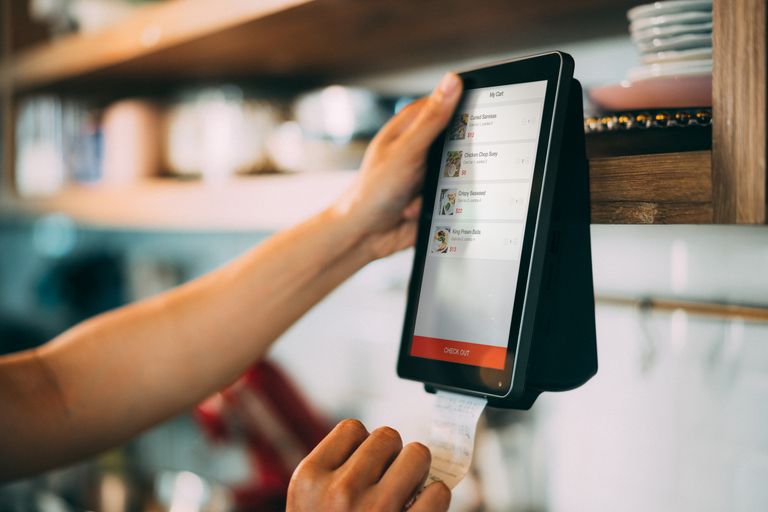
Becky Wickstrom, the department’s public information officer, described the update as a change to what benefits can purchase, not to how much a household receives. The monthly amount on the card stays the same, and Cache Valley Daily reported that soft drinks now need a separate payment method at the register, the way alcohol, tobacco and hot prepared foods do. The release adds that retailers have prepared for the change and points shoppers to a state page for the full list of eligible and ineligible items.
Where Arkansas draws its line
The USDA’s SNAP food restriction waiver page lists Arkansas with a target implementation date of July 1, 2026. The restricted categories on that page are soda, fruit and vegetable drinks with less than 50% natural juice, energy drinks and candy.
That second category is where Arkansas differs from Utah in wording. Utah protects drinks that are more than half real juice, and Arkansas restricts drinks that fall under 50% natural juice. Read together, a drink at exactly half juice is the point where the two sentences meet, so shoppers who see a juice cocktail at that mark are best served by checking the label’s juice percentage.
UA Little Rock Public Radio reported on June 29, 2026 that the Arkansas Department of Human Services counts more than 223,000 Arkansans on SNAP, that the state works with Sifter Solutions, whose barcode database determines which products qualify, and that retailers updated checkout software. The Arkansas SNAP Companion app lets shoppers scan a product to check eligibility. The department’s SNAP nutrition waiver FAQ carries the state’s own answers.
The same page lists Utah with a target date of Jan. 1, 2026 and the single category of soft drinks. Utah’s approved list stops at drinks, while Arkansas also lists energy drinks and candy. The waiver table does not state an approval date for either state.
Why a juice percentage decides the sale

A bottle of orange drink and a bottle of orange juice can sit side by side in a cooler, and the front label may look alike. What separates them under these rules is the share of real juice, which appears in the ingredient information on the package.
That is why Utah’s announcement uses the phrase “more than half real fruit or vegetable juice” and why the federal page for Arkansas uses “less than 50% natural juice.” A shopper who wants to be sure before reaching the checkout can read the juice percentage on the label rather than rely on the picture of fruit on the front.
Milk is the simplest case. Utah’s release says milk and drinks made with milk are not covered, so a chocolate milk or a milk-based coffee drink does not count as a soft drink under H.B. 403. Plant-based milks such as soy and rice are named in the same sentence.
Questions about what rings up as eligible can also come from the other direction. Families who plan a weekly grocery run already tend to check prices and labels before the cart fills, a habit described in this piece on people who write a grocery list before every shopping trip.
How the two states fit the wider SNAP picture
Utah and Arkansas are two of the 23 states the USDA page lists. The page, last updated Nov. 12, 2026, also carries a June 22, 2026 court order from the U.S. District Court for the District of Columbia in Aragon et al. v. Rollins et al. That order says approval of the waiver was vacated and implementation may not proceed, and the page attaches it to four states: Colorado, Iowa, Tennessee and West Virginia. Utah and Arkansas are not among those four on the page.
A sister report on craftingyourhome.com tracks how that ruling affects other states in its report on the June court ruling that still blocks the limits in Colorado, Iowa, Nebraska, Tennessee and West Virginia. It has also followed the later calendar in its look at the 2027 and 2028 start dates in Wyoming, Kansas, Missouri, Ohio, Hawaii and Nevada.
Food rules have always varied by place and by decade. Frenzhub’s list of laws and rules about food in other countries shows how local the line between allowed and not allowed can be, and its roundup of foods once labeled cheap that wealthy households still eat is a reminder that grocery habits cross every income level. Its list of foods from the 1960s that boomers loved recalls when a soda in the cart was nobody’s business at all.
What shoppers in each state can check
The practical steps are short. In Utah, the state’s eligible-items page at jobs.utah.gov carries the full eligible and ineligible list. In Arkansas, the USDA waiver page is the federal reference for the restricted categories and the July 1, 2026 date.
For both states, the juice percentage on the label is the deciding number for fruit drinks, and milk and milk substitutes sit outside Utah’s rule. Households that move between states, or that shop near a state line, may find the same shelf behaves differently on each side of the border.
This article was produced with AI assistance and edited for accuracy against the sources linked above.