Paying for dinner used to mean waiting for the check, handing over a card and waiting again for it to come back. At more and more restaurants, a diner can now scan a code on the table, pay from a phone and walk out without ever flagging down a server. That convenience has a new kind of misunderstanding built into it.
Capers Steakhouse on Detroit’s east side took down a social media post that put diner Jenee Almond in its “Hall of Shame” for a dine-and-dash after she brought her receipt to the owner, showing she had paid through a QR code with the Toast app, FOX 2 Detroit reported on Nov. 24. The owner told the station the bill was not paid until an hour after she left, but declined to provide evidence, citing legal concerns.

A weekend dinner and a QR code payment
Almond ate at Capers over a weekend, according to the FOX 2 Detroit report by Jessica Dupnack. She said she paid the way the table allowed, by scanning a QR code and settling the bill through Toast.
Almond told the station she sat at the table, scanned the code, made the payment and even left a review. She also described a calm exit with the rest of her group. “Nobody was running,” she said, adding that the whole party waited until everyone was in their cars and pulled away together, with “no dashing.”
Pay-at-the-table systems like this are now common. Toast describes its Mobile Order and Pay tool as a QR code system that lets guests view the menu, order and pay from their own phone without waiting for a server or the check. The Boston company behind it sells cloud-based point-of-sale systems to restaurants and bars, according to its Wikipedia entry.
The catch is that a server walking past an empty table may have no idea the bill was settled on a phone. Diners keep their own list of red flags that scream run at a restaurant, and from the restaurant’s side, a table that empties without a card changing hands looks like one of them. American check-and-tip customs already puzzle plenty of visitors, as a list of odd American traditions that confuse the rest of the world notes, and phone payments add a fresh layer.
The ‘Hall of Shame’ post
About 24 hours after her visit, the restaurant posted on social media that Almond was in its “Hall of Shame” for a dine-and-dash, FOX 2 reported. The post spread, and Almond said she took a wave of criticism online.
Anyone who has posted in anger knows how fast it travels. A guide to what never to post on social media makes a similar point about personal posts, and the same caution applies to a business page with a local following.
Independent restaurants run on thin margins, and an unpaid steak dinner hurts. A James Beard Foundation report found that raising menu prices by more than 10% may backfire for independent spots, which leaves little room to absorb losses. That pressure helps explain why a restaurant might rush to call out a table it believes walked out.
The receipt, and the post comes down
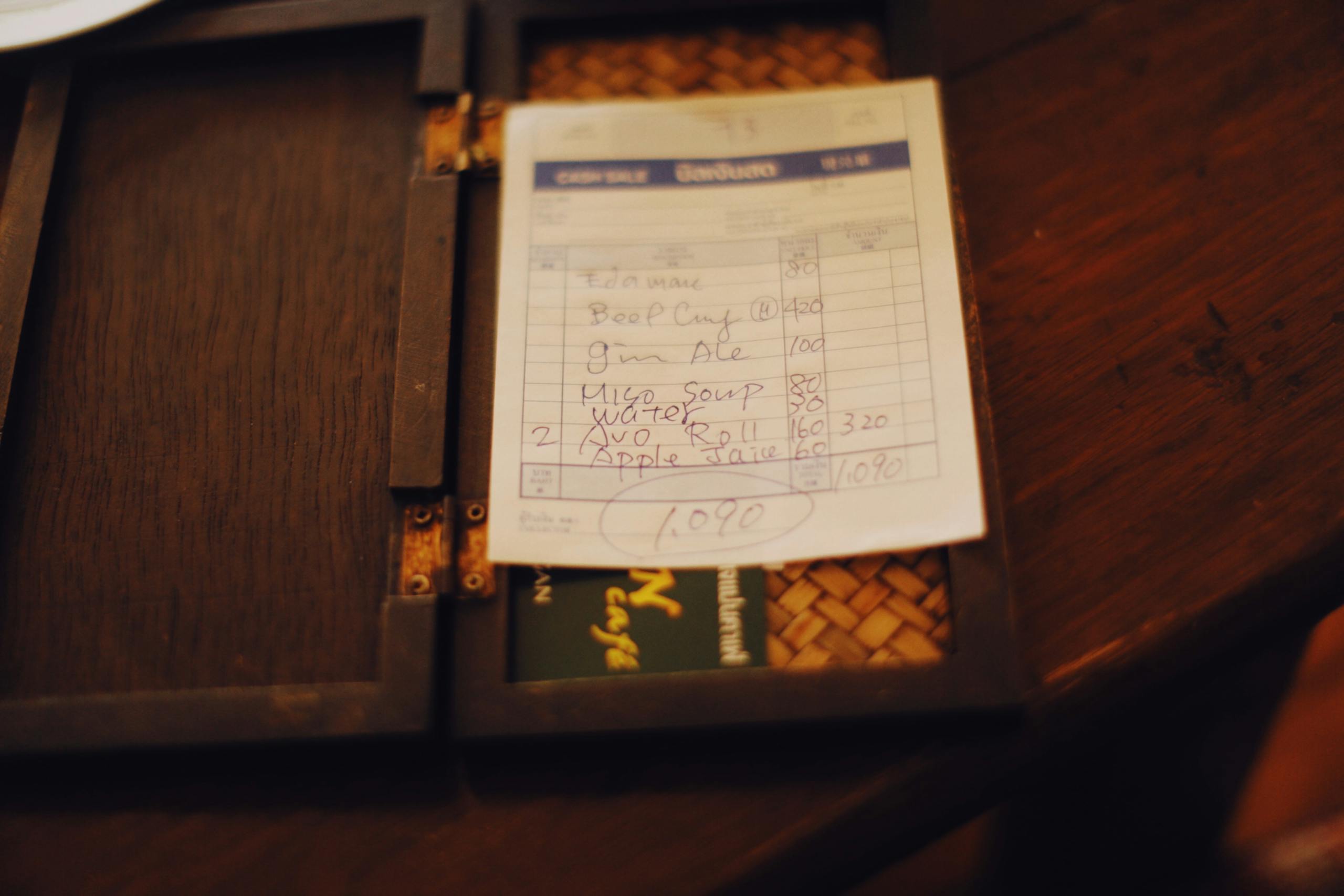
Almond brought her receipt to the owner, and the post was removed, according to the report. She said the app had a lag, which could explain why the restaurant’s system did not show the payment right away.
That receipt did the work. Keeping proof of payment, even a digital one, is an old habit with new value. A home-organizing piece on things that should never live on a nightstand lists loose receipts among the clutter, but the email or app receipt from a QR payment is worth saving until the charge clears.
The owner’s side
The owner, who was not named in the report, spoke to FOX 2 by phone and gave a different timeline. He said Almond’s bill was not paid until an hour after she left. He declined to show proof of that, citing legal concerns. The restaurant’s Facebook post went up the day after her visit.
Both accounts can be partly true at once. If the app lagged, a payment made at the table could have landed in the restaurant’s system well after the group drove away. FOX 2’s report does not settle which timeline is right, and the owner’s evidence has not been made public.
The stakes of the label are real. A dine and dash means ordering, eating and leaving without paying. In the U.S., the legal view varies by state, and what the diner intended is what separates an unpaid bill from fraud. In Michigan, defrauding an innkeeper is a misdemeanor. That is a lot to pin on someone over a payment that may simply have been slow to show up.
Why the story struck a nerve
Matt Friedman, who spoke to FOX 2 about public shaming online, summed up both sides. “Small business people have to get paid,” he said. He added that he understood that point, “but things move really fast on social media,” and urged businesses and customers alike to slow down before posting.
The QR code was meant to make paying simpler. QR codes spread through restaurants as touchless menus and payment tools, and the habits around them are still catching up with the technology.
For diners, the lesson is to keep the receipt and perhaps mention to the server on the way out that the bill is paid. For restaurants, a quick check of the payment system before a “Hall of Shame” post could save a lot of trouble, and a lot of apologizing.
This article was produced with AI assistance and edited for accuracy against the sources linked above.