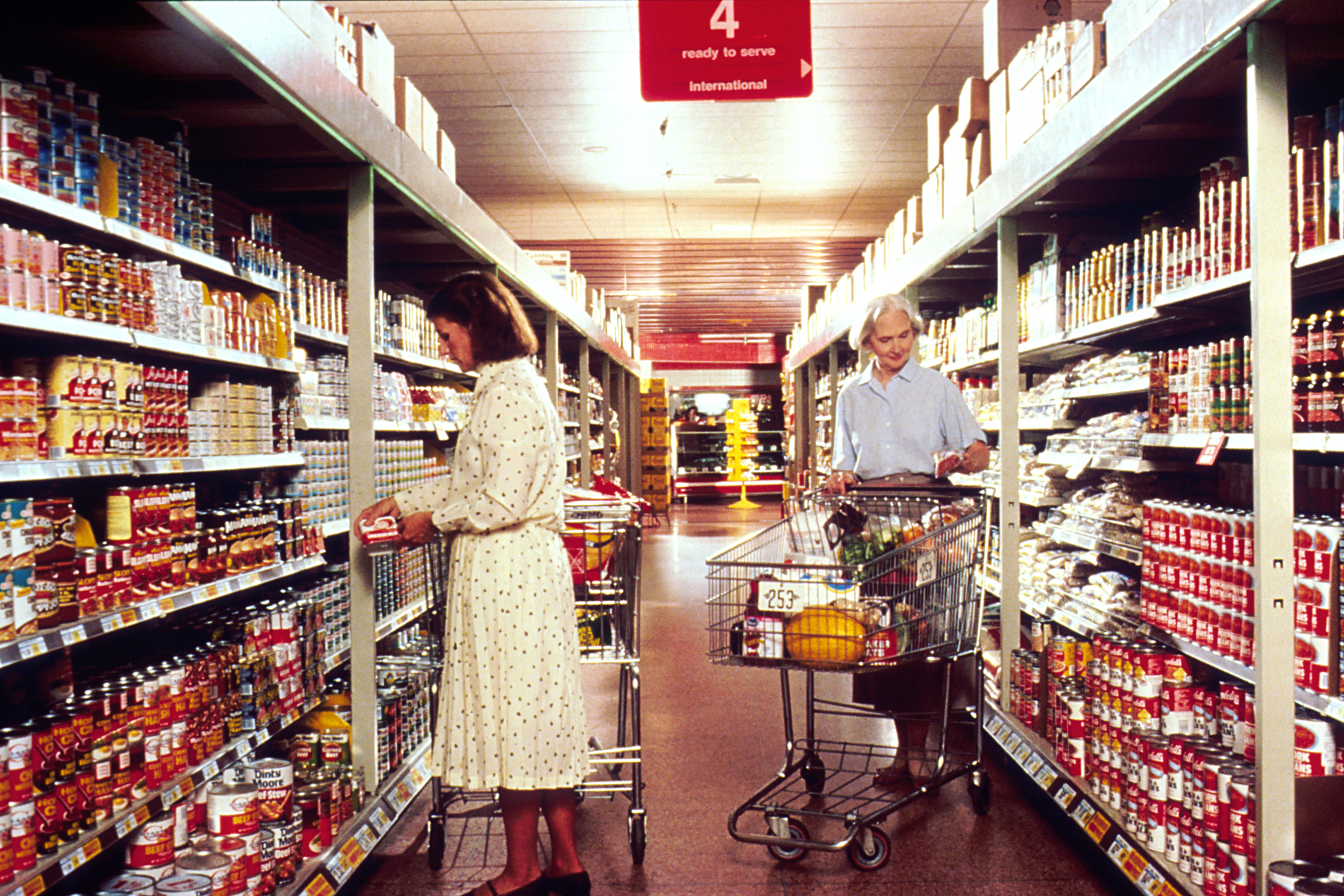
A woman between the ages of 51 and 70 who spends about $400.40 a month on groceries is shopping right at the top tier of the government’s grocery cost yardstick. That figure is the “Liberal” plan amount for women in that age group in the U.S. Department of Agriculture’s October 2026 Cost of Food report, the newest edition, posted on November 13, 2026.
The USDA publishes these numbers every month as four food plans, each one priced higher than the last. They assume every meal and snack is made at home, which makes them a handy measuring stick for anyone wondering where a monthly grocery bill lands.
The 4 USDA food plan levels for women 51 to 70
The USDA Food Plans: Cost of Food monthly reports page lists the October 2026 monthly costs for a woman aged 51 to 70 this way:
- Thrifty: $236.60 a month ($54.60 a week)
- Low-Cost: $269.40 a month ($62.20 a week)
- Moderate-Cost: $331.90 a month ($76.60 a week)
- Liberal: $400.40 a month ($92.40 a week)
The gap between the bottom and the top is about $163.80 a month, or close to $2,000 over a year. That is the difference between a careful cart of store brands, dried beans and seasonal produce and a cart that leaves room for better cuts of meat, specialty cheeses and the occasional splurge from the bakery case.
Men in the same age bracket are priced higher. The October numbers put a man aged 51 to 70 at $281.70 a month on the Thrifty plan, $299.90 on Low-Cost, $376.00 on Moderate-Cost and $450.40 on the Liberal plan.
What “affording” the top plan looks like at the store
The detailed tables in the October 2026 Low-Cost, Moderate-Cost and Liberal plan report show the plans differ in which foods are bought and in what amounts, not just in the total. In practice, a shopper who can comfortably cover $400.40 a month tends to be able to do a handful of things without much stress:
- Buy fresh fish or a good roast for a weekend meal instead of stretching ground meat all week.
- Pick name-brand coffee, olive oil and butter rather than the cheapest bottle on the shelf.
- Keep fresh berries, salad greens and out-of-season fruit in the cart in winter.
- Stock a few extras, such as nuts, good chocolate or a wedge of imported cheese.
- Skip clipping every coupon without the budget falling apart.
Those who sit closer to the Thrifty or Low-Cost lines usually lean on the kind of habits covered in these frugal living tips for a tiny budget: meal planning around sales, buying in season and cooking in batches.
Why the numbers are a household yardstick, not a rule
The USDA is clear that the figures are built for a person living in a four-person household and are then adjusted for other household sizes. Someone cooking for one typically pays more per person, because a single shopper cannot always use a family pack before it spoils. The agency also rounds costs to the nearest 10 cents and gets the monthly figure by multiplying the weekly cost by 4.333.
The plans also say nothing about restaurant meals, takeout or coffee-shop stops. A woman who spends $400.40 at the supermarket and another $150 eating out is spending more on food than the Liberal plan reflects. For a wider look at where money slips away, this list of everyday products Americans overpay for is a useful check, and so is this rundown of hidden fees that still catch households off guard.

Where grocery prices are heading
The USDA Economic Research Service Food Price Outlook, updated October 23, 2026, says grocery prices in September 2026 were 1.8% higher than a year earlier. ERS expects food-at-home prices to rise 2.3% for all of 2026.
The picture is uneven by aisle. Egg prices were 20.6% lower in September than a year before, while beef and veal were up 3.5%, with ERS forecasting an 8.7% rise in beef for the year. Fresh vegetables are forecast to climb 5.8%, and coffee was up 7.1% year over year. For shoppers near the top plan, that means beef and coffee are eating up more of the monthly budget, while eggs have become one of the better bargains in the store.
Many shoppers over 60 also carry habits from childhood that still pay off at the register, such as the ones in this list of money habits many people now over 70 learned as kids. Simple moves like these quick ways to save money can help shift a grocery bill down a tier.
How the cheapest plan connects to SNAP
The lowest tier carries real weight. The October 2026 Thrifty Food Plan report covers the plan the government uses to set the maximum SNAP benefit. In that report, the Thrifty plan for the reference family of four, two adults aged 20 to 50 and two children aged 6 to 8 and 9 to 11, came to $1,024.60 a month.
For a woman between 51 and 70, the takeaway is simple. Spending about $236.60 a month puts a grocery budget at the government’s lowest yardstick, about $331.90 lands in the middle, and $400.40 or more means shopping at the most generous level the USDA prices. Checking a few months of receipts against those numbers shows quickly which tier a kitchen really runs on.
This article was produced with AI assistance and edited for accuracy against the sources linked above.
Image: Unknown photographer – Public domain/Wikimedia Commons