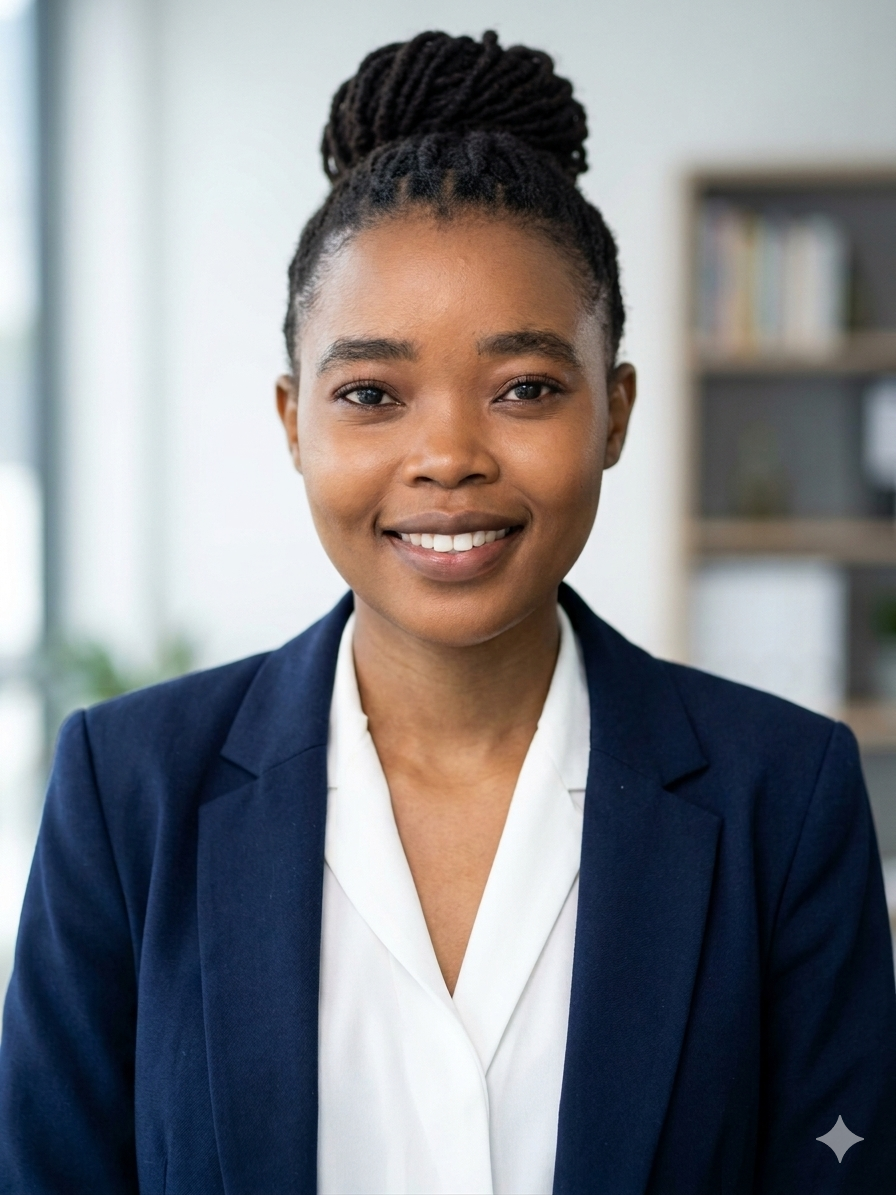
The University of Washington has canceled a planned campus appearance by political streamer Hasan Piker, turning what might have been another provocative university lecture into a fresh argument over free speech, political controversy and how public universities choose their speakers.
Piker, a progressive political commentator with a massive online following, had been scheduled to appear in January 2027 as part of the University of Washington’s 2026-27 Speaker Series. But on August 7, the university announced that the event would no longer take place after officials reviewed how it had been organized.
The university did not say Piker’s political views were the reason for the cancellation. Instead, officials said the planning process failed to meet the standards expected for university-sponsored events. That explanation, however, has raised a different question: What exactly went wrong?
University Says Planning Process Fell Short
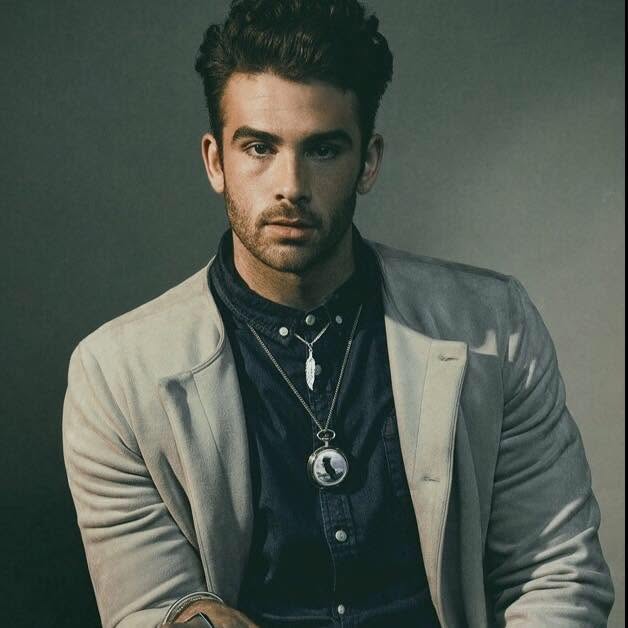
In its official statement, the University of Washington began by saying it remains committed to the “free exchange of ideas,” including controversial subjects and provocative speakers. Officials said that after Piker was announced for the Speaker Series, the university reviewed the process used to organize his appearance.
That review apparently did not go well.
The university said the process “did not meet the necessary level of rigor” required for events carrying the university’s name. As a result, the January lecture was canceled. UW also said procedures would be updated for future Speaker Series events, particularly as the institution tries to encourage meaningful discussion on divisive issues during a deeply polarized political period.
What UW’s statement did not provide was a detailed explanation of which rules had been violated, overlooked, or improperly applied. That absence quickly became central to the controversy.
There is also an important distinction here. The publicly available statement does not establish that Piker was removed because administrators disagreed with his politics. At the same time, the university has not publicly provided enough procedural detail to eliminate critics’ questions about why the event failed its review.
FIRE Wants More Answers From the University
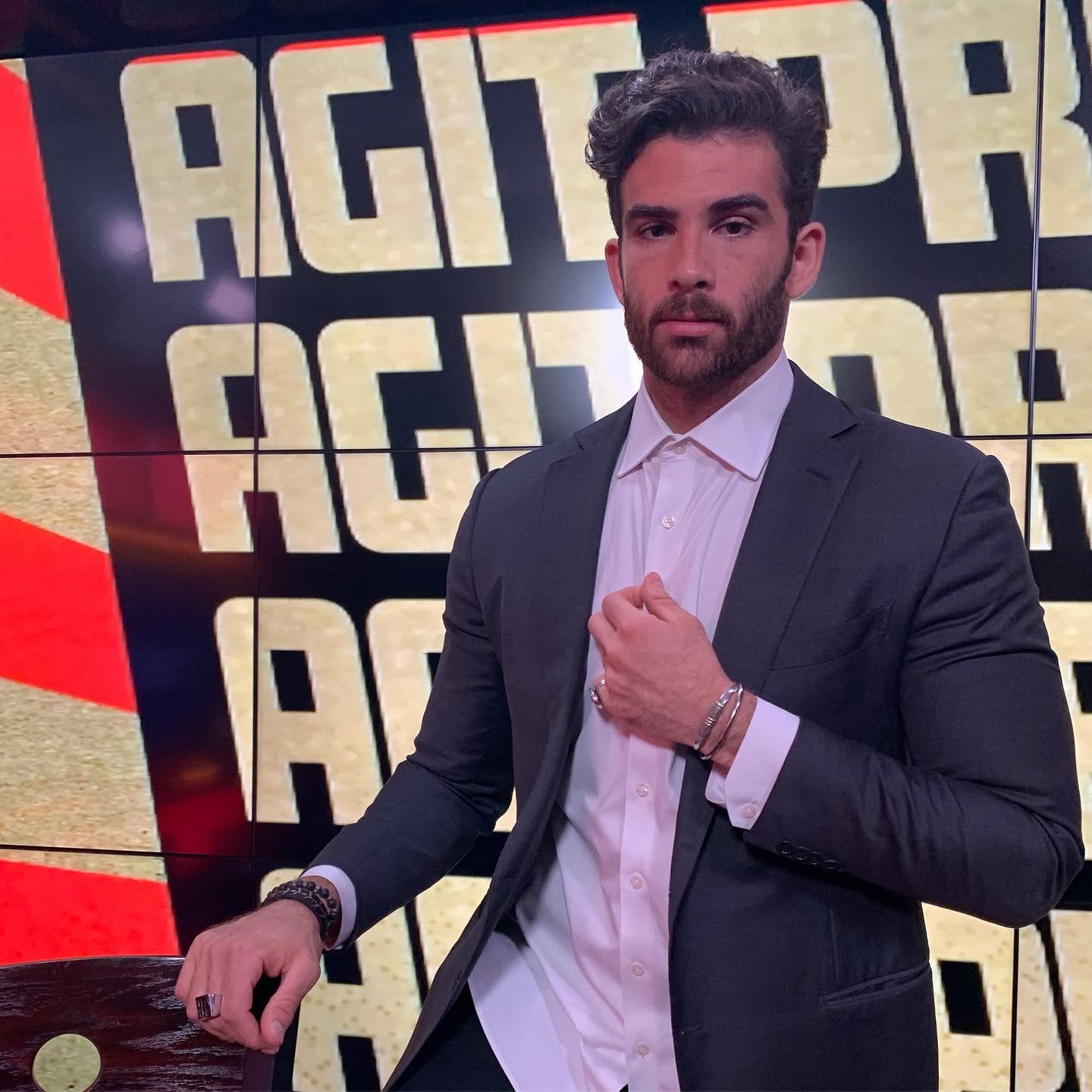
The Foundation for Individual Rights and Expression, better known as FIRE, challenged the university to explain its decision more fully.
The free speech organization argued that if UW canceled the appearance strictly because of procedural failures rather than criticism surrounding Piker, officials should identify which standards were not satisfied and explain how those standards were applied. FIRE also stressed that public universities may establish rules for their events but should not use administrative procedures as a disguise for viewpoint-based censorship.
That does not mean FIRE has demonstrated that UW violated Piker’s First Amendment rights. Instead, its criticism focuses largely on transparency and whether the university can show that its standards were applied independently of the speaker’s controversial political positions.
The dispute is especially notable because the University of Washington is a public institution, where questions involving political speech can carry constitutional significance. Still, the precise legal issues can depend on factors such as who organized an event, how speakers are selected, and what university policies govern an official lecture series.
For now, UW has framed the decision as an internal standards issue rather than an attempt to silence a political viewpoint.
Piker’s Political Profile Makes the Cancellation Bigger
Piker is hardly an obscure lecturer.
Known online as HasanAbi, he has built a huge audience through Twitch, YouTube and other platforms by discussing American politics, foreign policy and culture from the political left. His blunt style has also repeatedly generated controversy.
One of his most frequently resurfaced controversies involves comments he made about the September 11 attacks. Piker later acknowledged that his language was inappropriate. More recently, he drew criticism after discussing Democratic Party discipline in connection with Michigan Democratic Senate nominee Abdul El-Sayed and using “Marxist-Leninist” terminology while talking about politicians who refuse to follow a party line.
His growing visibility has also made him part of a broader argument over the direction of progressive politics. Veteran Democratic strategist James Carville, for example, has sharply criticized Piker and publicly said he does not want to belong to the same political party if Piker becomes a major Democratic force.
Those controversies make UW’s decision politically combustible even though the university says the cancellation resulted from the event-planning process.
The episode ultimately presents two issues that should not be confused. One is whether Piker’s rhetoric deserves criticism. The other is whether a public university should host, cancel, or reconsider controversial speakers based on neutral and clearly explained procedures.
UW says its procedures will now be strengthened. FIRE says the university needs to show exactly how those procedures failed.
Until more details emerge, the strongest conclusion supported by the available evidence is narrower than accusations of censorship: Hasan Piker’s January 2027 University of Washington appearance has been canceled, UW says the planning process was inadequate, and free speech advocates want the university to prove that politics played no role in that decision.