The 2026 FIFA World Cup was set to showcase Los Angeles as a hub of global sports excitement, but a labor standoff at SoFi Stadium has introduced a new layer of tension. Days before the first match, thousands of stadium workers have authorized a strike, citing stalled contract negotiations, insufficient pay for mega-events, housing insecurity, and fears of potential federal immigration enforcement.
This dispute thrusts the people who run the stadium’s hospitality and operations into the spotlight, reminding the world that the smooth execution of a global tournament depends on thousands of workers who often remain unseen. Their strike authorization transforms SoFi Stadium from a symbol of celebration into one of the most closely watched labor flashpoints of the 2026 World Cup.
SoFi Stadium Workers Leverage Global Spotlight for Labor Demands
UNITE HERE Local 11 workers have cast a powerful vote to authorize a strike, giving them leverage during critical final negotiations with Legends Global. The timing could not be more sensitive, with Los Angeles preparing to host eight World Cup matches, including the United States’ group-stage opener against Paraguay on June 12.
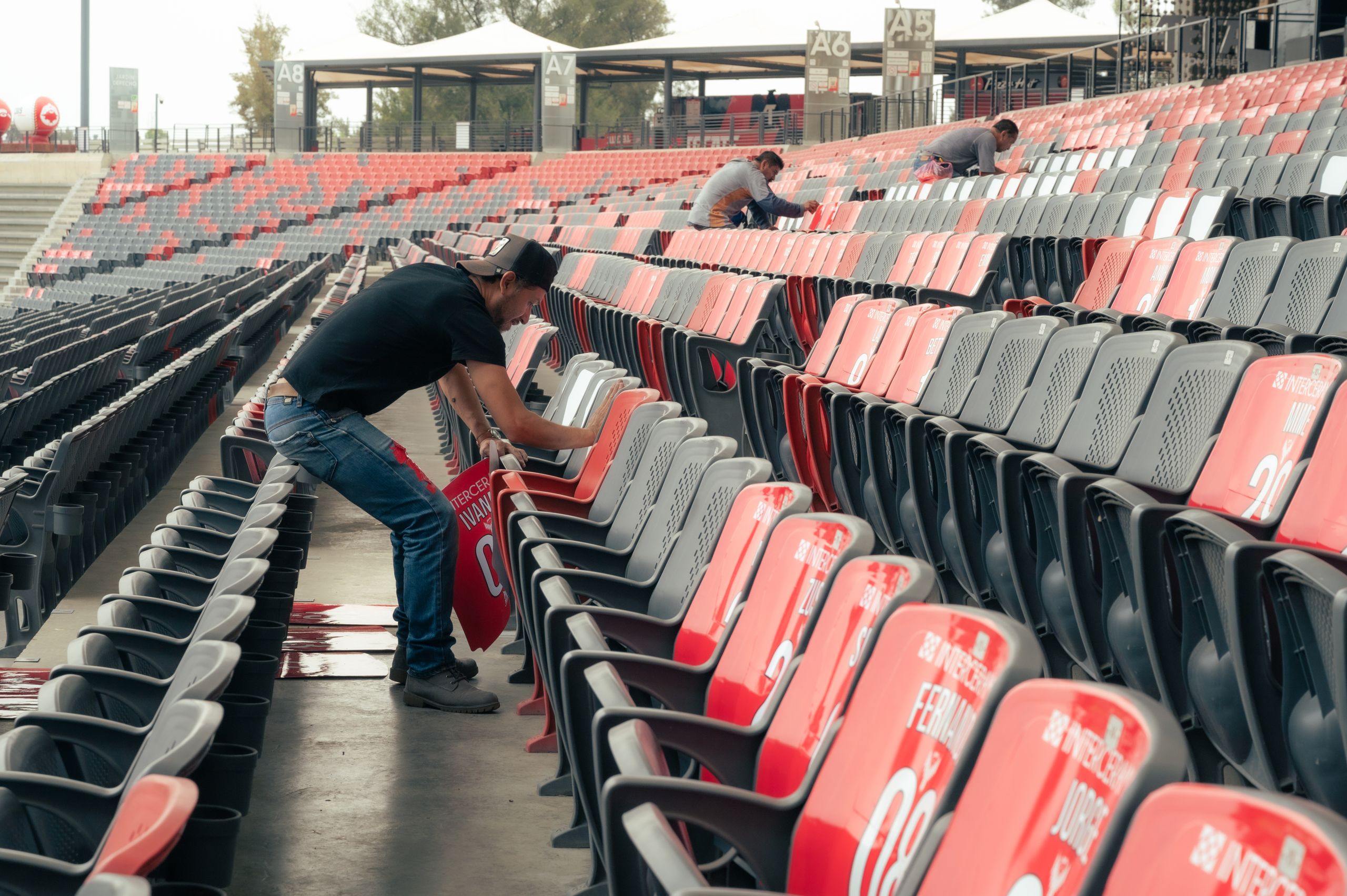
Workers argue that the stakes of a mega-event, premium hospitality suites, global sponsorships, and international attention should be reflected in wages. The strike vote does not automatically trigger a walkout, but it creates urgency for a deal while signaling that workers expect recognition and compensation commensurate with the scale of the event.
Economic Stakes Highlight the Urgency of a Resolution
The potential economic impact of a strike extends far beyond paychecks. Los Angeles anticipates hundreds of millions in revenue from ticket sales, premium suites, concessions, and local hotels during the tournament. A disruption in hospitality operations could compromise visitor experience, reduce spending, and tarnish the city’s reputation as a world-class host.
Luxury suites and corporate hospitality depend on fully staffed operations to deliver on the premium experience promised to FIFA sponsors and high-paying guests. Any gaps in service could result in lost revenue, negative media coverage, and international scrutiny, adding tangible pressure to resolve the dispute before kickoff.
Historical Precedents Emphasize Mega-Event Risks
Previous mega-event labor disputes reveal that worker unrest can ripple across the tournament experience. Strikes at Olympic Games and major U.S. stadium events have shown how quickly service disruptions affect fan experience, sponsorship fulfillment, and operational efficiency.
The SoFi dispute illustrates the same pattern: workers at a global event hold critical operational power, and unresolved disputes could create cascading challenges, from long lines and limited concessions to security complications and public perception issues.
Worker Demographics and Vulnerabilities
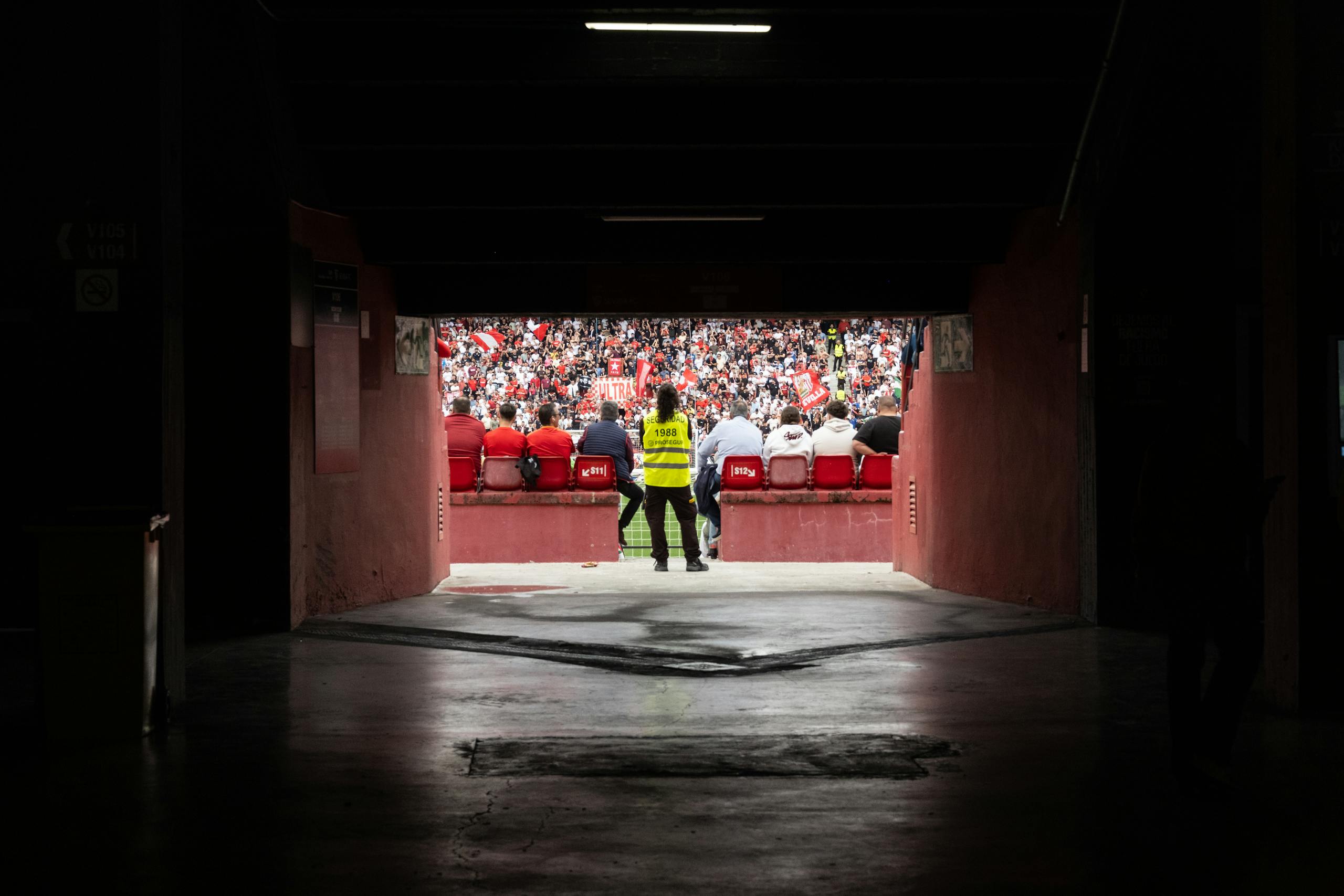
A significant portion of the SoFi Stadium staff are immigrant workers, many earning minimum wage or slightly above it. These employees often rely on mega-event shifts for a meaningful portion of their income, while facing some of the highest housing costs in the United States.
This demographic reality amplifies fears surrounding ICE presence, even if federal authorities promise to limit enforcement to security support. For workers, the combination of high housing costs, low pay, and potential exposure to immigration enforcement creates an unprecedented level of stress and uncertainty in the days leading up to the tournament.
FIFA Accreditation and Operational Complexity
FIFA requires credentialing and background checks for stadium workers to maintain global security standards. While these procedures are essential, they also raise immigration fears among employees, who may worry that their personal information could be accessed by federal agencies.
Such operational complexity underscores the stakes: if workers refuse shifts due to safety concerns or fear of immigration enforcement, stadium operations could be compromised. A disruption at one of the tournament’s most visible venues would have immediate and far-reaching effects.

Ripple Effects Across U.S. Host Cities
SoFi is only one of 16 U.S. stadiums hosting World Cup matches. Labor disputes in Los Angeles could inspire similar tensions in Miami, Atlanta, or Dallas, particularly in cities with large immigrant or low-wage workforces. Coordinated awareness of worker rights and immigration enforcement risks could influence tournament operations nationwide.
FIFA organizers and local governments must balance operational continuity with labor protections across multiple cities simultaneously. The SoFi scenario may set a precedent for how unions and mega-event organizers approach worker safety and compensation in other venues.
Media and Public Perception Risk
A strike would draw global media attention, highlighting gaps between the glamour of the World Cup and the reality of the workers who support it. Images of picket lines, empty hospitality areas, or frustrated fans would quickly circulate across social media, shaping public perception of Los Angeles and FIFA operations.
The optics could overshadow matches themselves, creating reputational stakes as high as operational ones. A fair settlement, by contrast, could reinforce a narrative of responsible labor relations and safe, efficient event hosting.

Legal Protections and Worker Rights
California labor law gives employees the right to refuse work in unsafe conditions, including situations where federal enforcement creates a reasonable fear for safety. The union’s strike authorization emphasizes that workers should not choose between their paychecks and their freedom, particularly during a high-profile international event.
Incorporating clear legal protections into any agreement would ensure that workers can perform their duties without fear of immigration repercussions, while providing stadium operators and FIFA with clarity on operational expectations.
Psychological and Safety Stakes
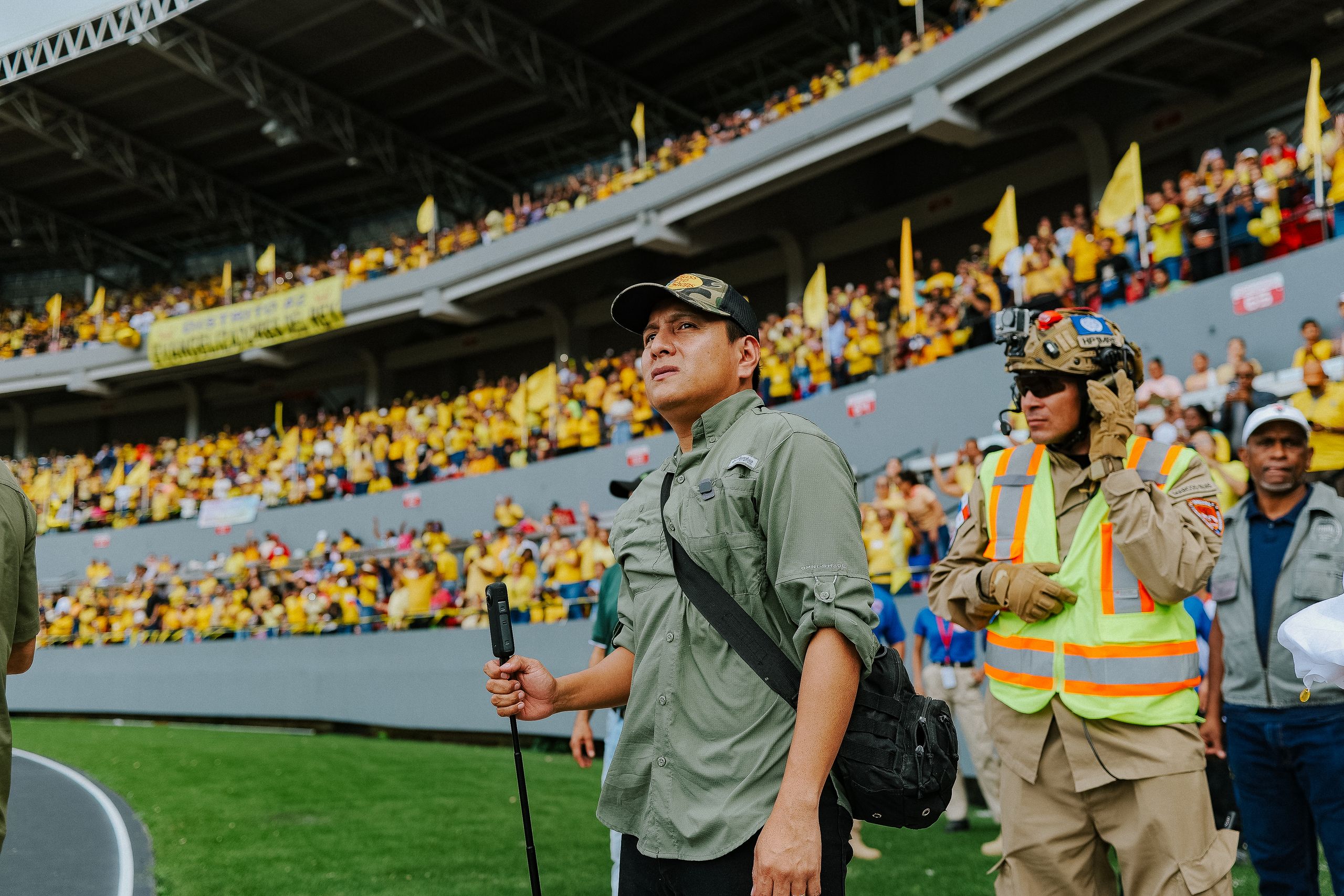
Beyond wages and legal rights, the dispute is rooted in worker safety and well-being. Fear of ICE activity, anxiety over long hours, and stress from housing insecurity all contribute to a workforce that feels vulnerable during the tournament.
These human dimensions elevate the labor negotiation beyond typical contract disputes. Worker confidence and morale directly affect hospitality quality, fan satisfaction, and the city’s global image. Recognizing the psychological stakes is essential for a sustainable resolution.
Conclusion
The SoFi Stadium strike authorization transforms a labor negotiation into a defining test for the 2026 World Cup in Los Angeles. Workers demand fair pay, housing support, and protection from potential immigration enforcement. Their presence ensures the tournament operates smoothly, yet their fears highlight the human cost behind the spectacle.
Resolving this dispute effectively will not only safeguard operations but also reinforce the city’s image as a global host that values dignity, safety, and fairness. The World Cup depends on players and fans, but it ultimately relies on the workforce whose labor makes the world’s biggest sporting event possible.