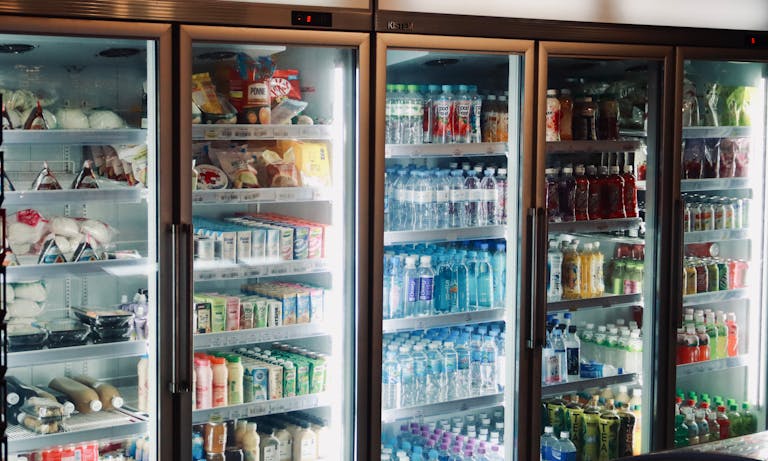
The checkout line looks the same as it did a year ago, but in a growing number of states the receipt does not. A 2-liter of cola, a bag of gummy bears or a can of energy drink can now be rejected at the register when a shopper pays with an EBT card, and the shopper has to cover it another way or leave it behind.
As of mid-November 2026, SNAP limits on soda and, in most cases, candy are in effect in 12 states. The first two started on Jan. 1, and the most recent group of 4 states began on Nov. 1, according to the U.S. Department of Agriculture’s list of SNAP food restriction waivers, which the agency last updated on Nov. 12, 2026.

How the SNAP soda limits work
SNAP, the Supplemental Nutrition Assistance Program, has long covered almost any food for the household, and USDA’s guide to what SNAP can buy still lists snack foods and non-alcoholic beverages as eligible in general, with exceptions for items like foods that are hot at the point of sale, alcohol and tobacco. The program’s history shows that for decades, sweet drinks and candy were treated like any other grocery item. The new rules come from waivers that individual states requested and USDA approved, so each state writes its own list. Some states stop at soft drinks, while others add candy, energy drinks or bakery-style desserts.
The practical effect is at the register. Stores flag the restricted items in their systems, and those items can no longer be paid for with SNAP benefits in that state. Everything else in the cart, from milk and bread to frozen pizza and chips, is still covered. Households trying to stretch a grocery budget may find ideas in these frugal living tips, and the list of grocery store items not worth buying is a handy companion when the cart has to be rethought.
The first 8 states: January through July
USDA’s waiver list shows the first 8 states rolled out their limits over the first half of 2026:
Indiana and Utah led off on Jan. 1, 2026. Indiana’s limit covers soft drinks and candy, while Utah’s covers soft drinks only.
Idaho and Oklahoma followed on Feb. 15, 2026. Idaho restricts soda and candy, and Oklahoma restricts soft drinks and candy.
Louisiana started on Feb. 18, 2026, with soft drinks, energy drinks and candy on its list.
Texas began on April 1, 2026, with sweetened drinks and candy. Florida came next on April 20, 2026, with one of the broader lists: soda, energy drinks, candy and prepared desserts.
Arkansas rounded out the group on July 1, 2026. Its list includes soda, fruit and vegetable drinks with less than 50% natural juice, energy drinks and candy.
Shoppers who travel or live near a state line should keep in mind that the rules follow the store’s state. For more on how food rules can change from place to place, these food laws from other countries make an interesting comparison.

The 4 states that started on Nov. 1
The newest group took effect on Nov. 1, 2026. FOX 35 Orlando, in an Oct. 28, 2026 report, counted these 4 states as the ones that brought the total to 12:
Montana restricts high-sugar beverages, energy drinks, candy and prepared desserts.
North Dakota restricts sweetened beverages, energy drinks and candy.
South Carolina restricts candy, energy drinks, soft drinks and sweetened beverages.
Virginia restricts what its waiver calls “sweetened beverages.”
Because each state defines its categories a little differently, a flavored sparkling water or a sweet tea might be allowed in one state and turned away in another. Store systems decide item by item, so the register is the final word. Shoppers rebuilding a weekly list around the change can borrow a few ideas from these quick money-saving tips.
4 states blocked by a court
Not every approved waiver made it to the checkout. USDA’s page lists Colorado, Iowa, Tennessee and West Virginia as blocked. On June 22, 2026, the U.S. District Court for the District of Columbia ordered that USDA’s approval of those waivers be vacated and that implementation may not proceed. Colorado’s plan covered soft drinks; Iowa’s would have covered all foods taxable under Iowa law; Tennessee’s targeted soda, energy drinks and candy; and West Virginia’s covered soda. The WSMV 4 newsroom in Nashville had published a June 2026 rundown of the states preparing limits shortly before the ruling.
FOX 35 reported that Nebraska’s first plan was paused by the same ruling, and the state has since received a new approval, as covered in this look at the Nebraska SNAP soda limits request.
What comes next
The list of 12 is set to grow. According to USDA’s waiver page:
Nebraska is scheduled for Dec. 1, 2026, starting with soda, soft drinks and energy drinks, with candy added March 1, 2027.
Wyoming follows on Feb. 1, 2027, and Kansas and Missouri on Feb. 15, 2027. There are more details on the Wyoming, Kansas and Missouri drink limits.
Hawaii and Ohio are both set for April 1, 2027, and Nevada is the furthest out, on Feb. 1, 2028.
For households on a tight food budget, the simplest step is to check the state agency’s SNAP page or ask a store’s customer service desk before a big shop, especially ahead of Thanksgiving and holiday baking. Sweet drinks and candy can still be bought with cash or a card, just not with SNAP benefits in these states.
Dates and item lists can change as states update their waivers, so USDA’s waiver page remains the place to confirm what is covered in a given state.
This article was produced with AI assistance and edited for accuracy against the sources linked above.
Image: SMC at English Wikipedia – Public domain/Wikimedia Commons