Imagine walking into a supermarket to pick up frozen food, only to find the freezers blowing hot air instead of keeping products cold. That is exactly what happened at several grocery stores across Europe after a second wave of cyberattacks targeted their refrigeration systems on November 2, 2026. The attacks affected supermarkets in multiple countries, forcing retailers to remove chilled and frozen products from their shelves after temperatures climbed to dangerous levels.
The incident comes just three weeks after a similar attack disrupted hundreds of supermarkets in France, causing substantial food losses. This time, retailers in Belgium, Sweden, Ireland, Luxembourg, the Netherlands, Estonia, Finland, and other European countries reported problems. Investigators are now looking into the incidents, although the people responsible have not been identified.
Hackers Targeted Supermarket Refrigerators and Freezers
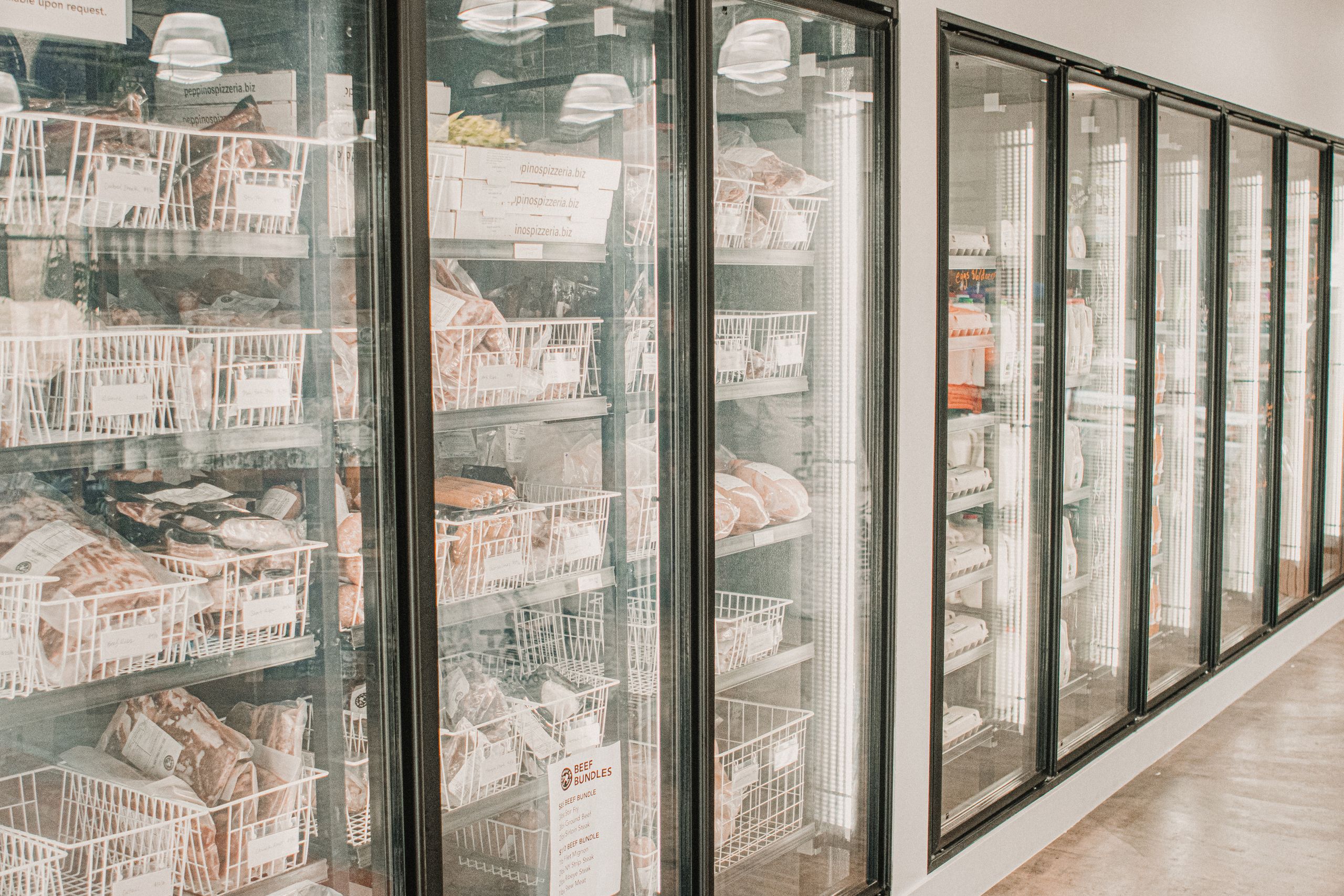
The latest incident affected refrigeration equipment at supermarkets operated by several major retail groups. Rather than attacking checkout systems or stealing customer information, the hackers appear to have targeted the technology that keeps food cold.
Reports indicate that attackers remotely interfered with temperature controls, causing some refrigerators and freezers to heat up or enter defrost mode. At one affected store in Sweden, temperatures reportedly reached 50°C (122°F). Store employees discovered the problem hours after the incident began overnight, by which time large quantities of food had been affected.
For supermarket managers, this created an expensive problem that could not simply be fixed by adjusting a thermostat. Some refrigeration systems could no longer be controlled normally, leaving employees with little choice but to remove potentially spoiled products.
Several Major Supermarket Chains Reported Disruptions
The attacks affected businesses across Europe, with Belgium and Sweden among the countries reporting multiple incidents. Retail groups Ahold Delhaize and Colruyt experienced refrigeration problems in Belgium and Luxembourg, while Swedish supermarket chains ICA and Coop also reported affected locations.
Carrefour Belgium confirmed that approximately 15 of its 700 stores experienced disruptions. Colruyt reported problems at five shops, while Coop said six of its Swedish locations were affected. In Ireland, Musgrave, the company behind SuperValu, reported refrigeration problems at 13 stores, forcing staff to remove some chilled and frozen products from sale.
The disruption was not limited to traditional grocery stores. At least one IKEA location in Belgium also experienced refrigeration problems, requiring staff to remove food products as a precaution.
Although the affected businesses represent only part of their wider retail networks, the incidents show how a technical problem involving a relatively small number of stores can create considerable waste and operational challenges.
Stores Had to Throw Away Food After Temperatures Rose
Food spoilage has been one of the most immediate consequences of the attacks. Refrigerators and freezers are designed to maintain specific temperatures that help slow bacterial growth and preserve food quality. When those conditions are disrupted for extended periods, products such as meat, fish, dairy, and frozen meals may no longer be safe to sell or consume.
Retailers therefore had to remove affected products rather than risk putting questionable food back on their shelves. Musgrave confirmed that it took chilled and frozen products off sale in its affected Irish stores, while other retailers reported similar precautionary measures.
For shoppers, the disruption could mean temporarily empty freezer sections, fewer fresh products, and delays while stores restock their shelves. It also represents a financial loss for businesses that must discard inventory and arrange replacement deliveries.
The exact amount of food lost in the November attack has not been established. However, the previous incident in France reportedly affected about 700 supermarkets, showing how costly disruptions to refrigeration infrastructure can be.
The Latest Attack Follows a Similar Incident in France
What makes the November incident particularly concerning is that it is not the first time hackers have interfered with supermarket cooling systems this year. On October 12, a similar cyberattack affected hundreds of grocery stores in France, disrupting refrigeration equipment and forcing retailers to dispose of spoiled food.
According to reports, approximately 700 victims were linked to the earlier incident. Investigators found that the attackers targeted remotely accessible refrigeration controllers, allowing them to interfere with equipment that maintains safe temperatures.
The similarities between the two incidents have raised questions about whether the same weaknesses are being exploited repeatedly. However, authorities have not established whether the attacks were carried out by the same people or group.
The second wave suggests that the problem may extend beyond individual stores. Refrigeration equipment used by different retailers can rely on similar remote management technologies, creating potential security weaknesses across the wider food retail industry.
Why Supermarket Refrigeration Systems Are Vulnerable to Hackers
Modern supermarkets rely on much more technology than shoppers may realize. Refrigeration units, temperature sensors, lighting, security equipment, and other building systems can be connected to computer networks that allow staff and technicians to monitor operations remotely.
These connections make it easier to manage equipment across multiple locations without sending technicians to every store. However, they can also create opportunities for cybercriminals when remote access systems are poorly secured.
Cybersecurity researchers have pointed to internet-exposed control panels, outdated software, and weak passwords as possible security problems affecting industrial equipment. In some cases, systems may still use manufacturer default passwords or software containing vulnerabilities that have not been addressed.
This means an attacker may not need to break into a supermarket’s main computer network to cause serious disruption. Access to the equipment controlling refrigeration could be enough to create a costly problem.
Food Safety Officials Have Reasons to Take the Attacks Seriously
Refrigeration plays an important role in keeping many everyday foods safe. Products such as poultry, meat, seafood, milk, and other perishables require proper temperature control to limit the growth of harmful microorganisms.
When food becomes too warm, bacteria can multiply, increasing the risk of foodborne illness. Freezing also helps preserve food, although it does not necessarily destroy harmful bacteria that may already be present.
This is why supermarkets cannot simply return every affected product to their shelves once the refrigeration equipment starts working again. Staff must consider how long the food was exposed to unsafe temperatures and whether it can still be sold safely.
For consumers, the advice is straightforward: avoid buying visibly thawed frozen products or chilled foods that don’t appear to have been kept properly cold. Anyone who suspects that food has been stored incorrectly should not assume it is safe simply because it has been refrigerated again.
The attacks have also attracted attention from European officials. EU food and agriculture commissioner Christophe Hansen described the repeated incidents as a deliberate attempt to disrupt the food supply chain and undermine consumer confidence.
Investigators Have Yet to Identify Those Behind the Attacks
Despite the scale of the disruption, no clear answer remains about who is responsible. No group has publicly claimed either the October or November attacks, and authorities have not established whether the incidents are connected.
The lack of a known attacker complicates the investigation. Cybersecurity specialists are examining how the refrigeration systems were accessed and whether vulnerabilities in remotely managed equipment were exploited.
Equipment supplier Danfoss has also been involved in efforts to help affected customers address the problems. Its refrigeration control technology was linked to systems involved in the reported incidents, although this does not establish that the company itself was responsible for the security failures.
For supermarkets, the immediate priority is restoring reliable cooling systems, protecting food supplies, and preventing similar disruptions. For cybersecurity experts, the incidents are another reminder that equipment designed to keep everyday businesses running can become a target when connected systems are not properly protected.