The pasta looks tempting. The fries are right there. But does a first date come with permission to sample whatever lands on the table?
Not automatically.
Sharing can be a lovely invitation: try something delicious, compare favorites, enjoy a dish together. It becomes less charming when one person’s invitation feels like a surprise to the other person.
The question that separates the two is simple: “Would you like to share?”
Ask before the fork moves, and dinner won’t become a debate over the fries.
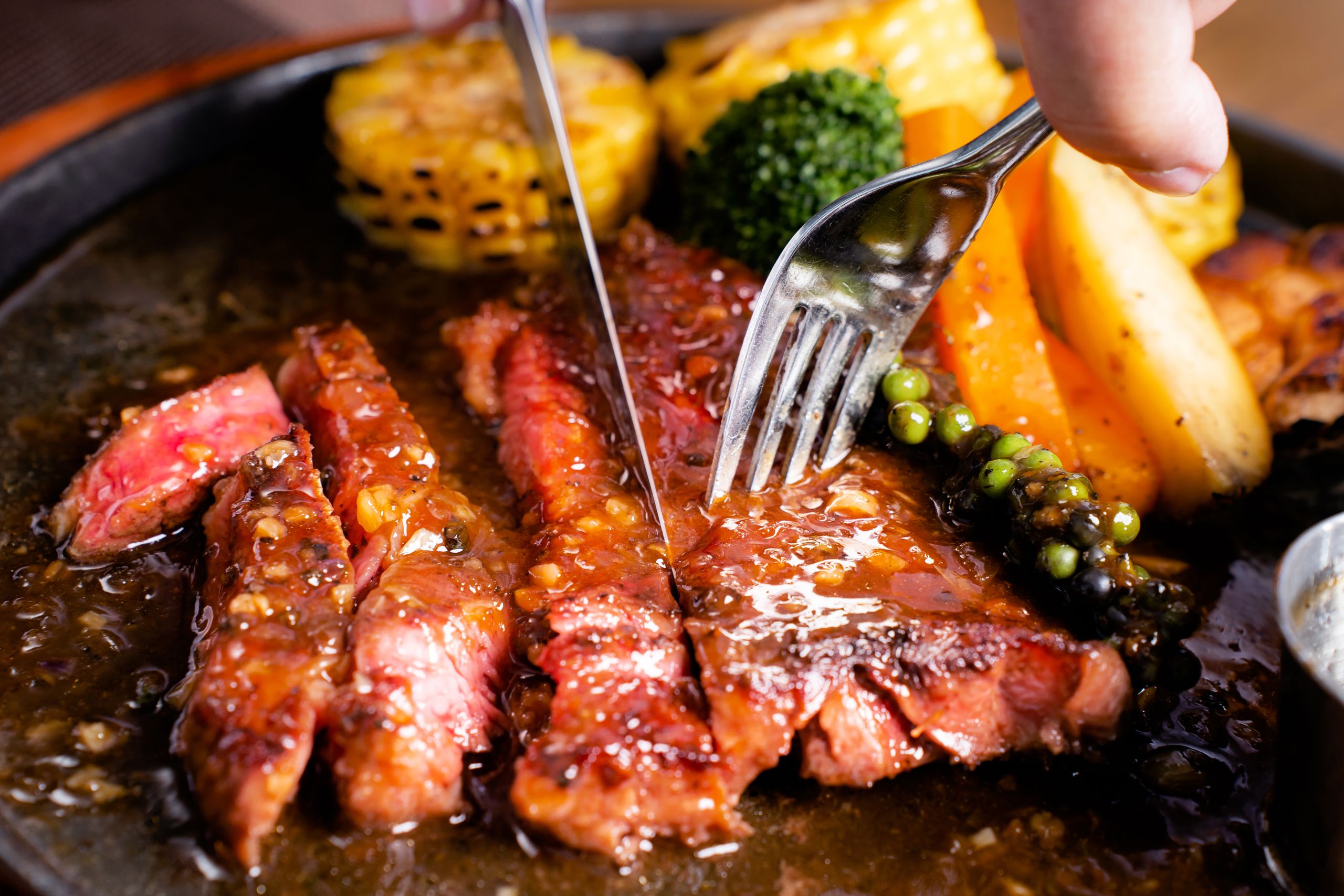
An Offer Is Charming. An Assumption Is Riskier.
There is a difference between offering someone a taste and helping yourself to theirs.
Food & Wine’s guide to sharing food at restaurants recommends asking before reaching for another person’s food or suggesting a shared dish. It also recommends separate plates or serving utensils to make sharing easier.
That leaves plenty of room for spontaneity. You don’t need to negotiate a bite of pasta as if you are signing a contract.
“Would you like to try this?” is enough.
So is “Could I taste yours?”
Wait for the answer. A question asked while your fork hovers over the plate leaves little room for an honest no.
Decide What’s Shared Before Ordering
Sharing an appetizer is one decision. Treating both entrées as communal property is another.
While you are looking at the menu, ask whether your date would rather choose individual meals or split a few dishes. You can share the starter, keep the mains separate, and decide about dessert later.
There is no obligation to make the entire dinner an all-or-nothing arrangement.
The Emily Post Institute’s food-and-drink guidance treats communal ordering as a group effort in which everyone has a say. It also advises taking a fair portion, transferring shared food to your own plate, and offering others the last serving before taking it.
For a first date, the useful takeaway is consideration. If both people will eat the food, both should help choose it.
That is more thoughtful than announcing, “We’ll share everything,” after your date has settled on the dinner they want.
Related: 9 Everyday Foods People Are Choosing as They Think About Aging Well
You Haven’t Learned Each Other’s Shortcuts Yet
Longtime couples may know exactly what a raised eyebrow means when dessert arrives. On a first date, the same look could mean almost anything.
In her guidance on sharing food at the table, etiquette educator Candace Smith describes the signals familiar couples develop. She also cautions against placing food on someone else’s plate without permission or insisting that they try something after they have declined.
That is a useful distinction: familiarity can make sharing effortless, but it should not be assumed.
Offer the taste before transferring it. Let the other person decide whether they want it.
And keep the gesture simple. There is no need to feed someone across the table to prove the evening feels romantic. A welcome bite on their plate can do the job without putting them on the spot.
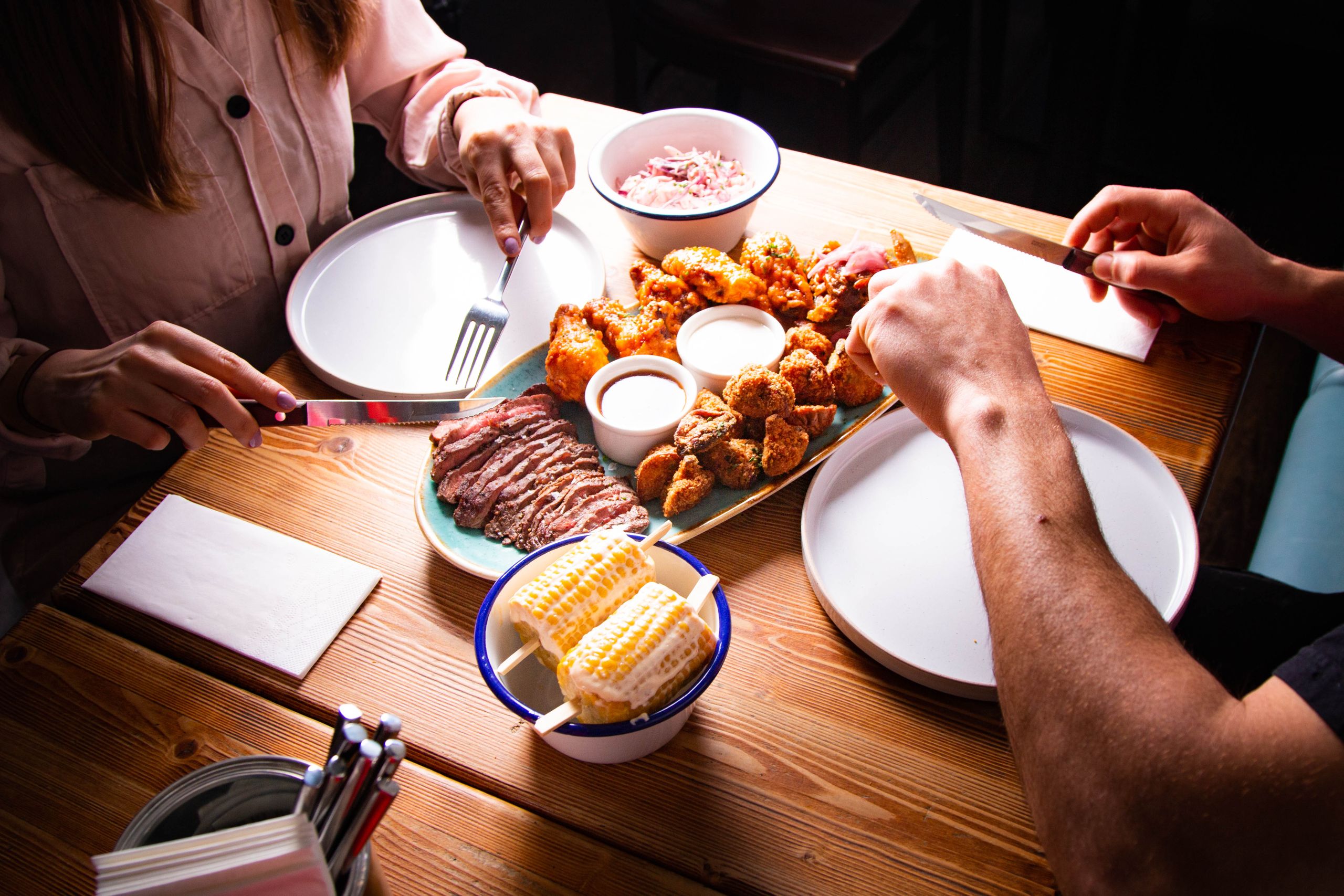
Keep the Food Exchange Easy
Once you have agreed to share, a little practical planning can keep the meal comfortable.
Ask for an extra plate if you need one. Use a serving utensil when it is available. Divide a shared dish without turning the other person’s dinner into something you keep reaching across for.
Nobody needs a running commentary on table manners.
The aim is to enjoy the food and the conversation, not show how expertly you can distribute an appetizer.
It also helps to distinguish between “Let’s share this dish” and “You can try a bite of mine.” One creates a communal order. The other is a small offer. Neither has to expand into permission to sample everything else.
A Polite No Is Not a Challenge
Your date declines a taste. Let that end the exchange.
Skip “Come on, just one bite.” Skip the joke about how protective they are of their dinner. And skip asking again when the next dish arrives.
An offer is generous only if the person receiving it can turn it down.
If you are the one declining, you can keep it equally light: “I’m happy with mine, but thank you.”
No apology tour is necessary. You can appreciate the gesture without accepting the food.
More importantly, do not turn a preference about sharing into a judgment about someone’s character. This is dinner, not a test of generosity.
Give the Last Bite a Quick Check
A shared dessert brings one final decision: what happens to the piece left on the plate?
Before taking it, ask whether your date wants some.
“Would you like the rest?” is easier than guessing, and warmer than silently claiming it.
There is no need to count spoonfuls or divide every dish with perfect precision. Just leave space for the other person to say they are still enjoying it.
The same courtesy works throughout the meal: notice, ask, and listen.
The Romantic Part Isn’t the Sharing
Two people can share every course and still make each other uncomfortable. They can also order separate meals and have a wonderful conversation.
Exchanging bites is not something a first date has to accomplish.
A more useful goal is to make each other feel welcome at the table. Offer without pressure. Accept without keeping score. Decline without making the gesture sound foolish.
Sharing can be part of the evening, but it does not have to carry the evening.
So when the dessert arrives, what feels more romantic: sharing the last bite, or knowing the person across from you will respect your answer either way?