Going under anesthesia is supposed to feel like a clean blackout. One moment, a doctor asks you to count backward. The next time, you wake up with no memory of what happened in between.
That is the comfort most patients hold onto before surgery. General anesthesia is meant to block pain, awareness, and memory, turning a frightening medical procedure into something the mind never has to experience.
But new research suggests the brain may not go as quiet as people assume. Scientists studying patients under anesthesia found that some brain cells still reacted to sound, speech, and language patterns even though the patients were fully unconscious and remembered nothing afterward.
Your Brain May Still Be Listening

The study focused on the hippocampus, a deep brain region linked to memory, learning, and context. Researchers monitored brain activity in seven epilepsy patients who were already undergoing surgery and had special probes placed in the brain for medical reasons.
While the patients were under general anesthesia, researchers played sounds through headphones. These included tones, stories, podcasts, and spoken language. The patients did not wake up, respond, or remember hearing anything later. Still, their brain cells reacted.
More than simple background activity showed up. Many neurons responded to sound, and some could distinguish between ordinary and unusual tones. That means the brain was not simply receiving noise. It appeared to notice patterns and react when something changed.
The Speech Findings Are Even Stranger
The most surprising part involved spoken language. Even under anesthesia, some brain signals appeared to track features of words, sentence structure, and meaning. The brain seemed to process pieces of speech without the person being consciously aware of it.
That does not mean patients secretly understood conversations in the operating room. It does not mean they were awake inside their bodies. The study found no evidence that the patients formed normal memories of what they heard.
The strange part is that the brain still seemed to handle language in a limited but organized way. It reacted to speech patterns and even showed signals connected to what kind of word might come next. In simple terms, the unconscious brain may still be doing more prediction and processing than anyone expected.
This Is Not the Same as Waking Up During Surgery
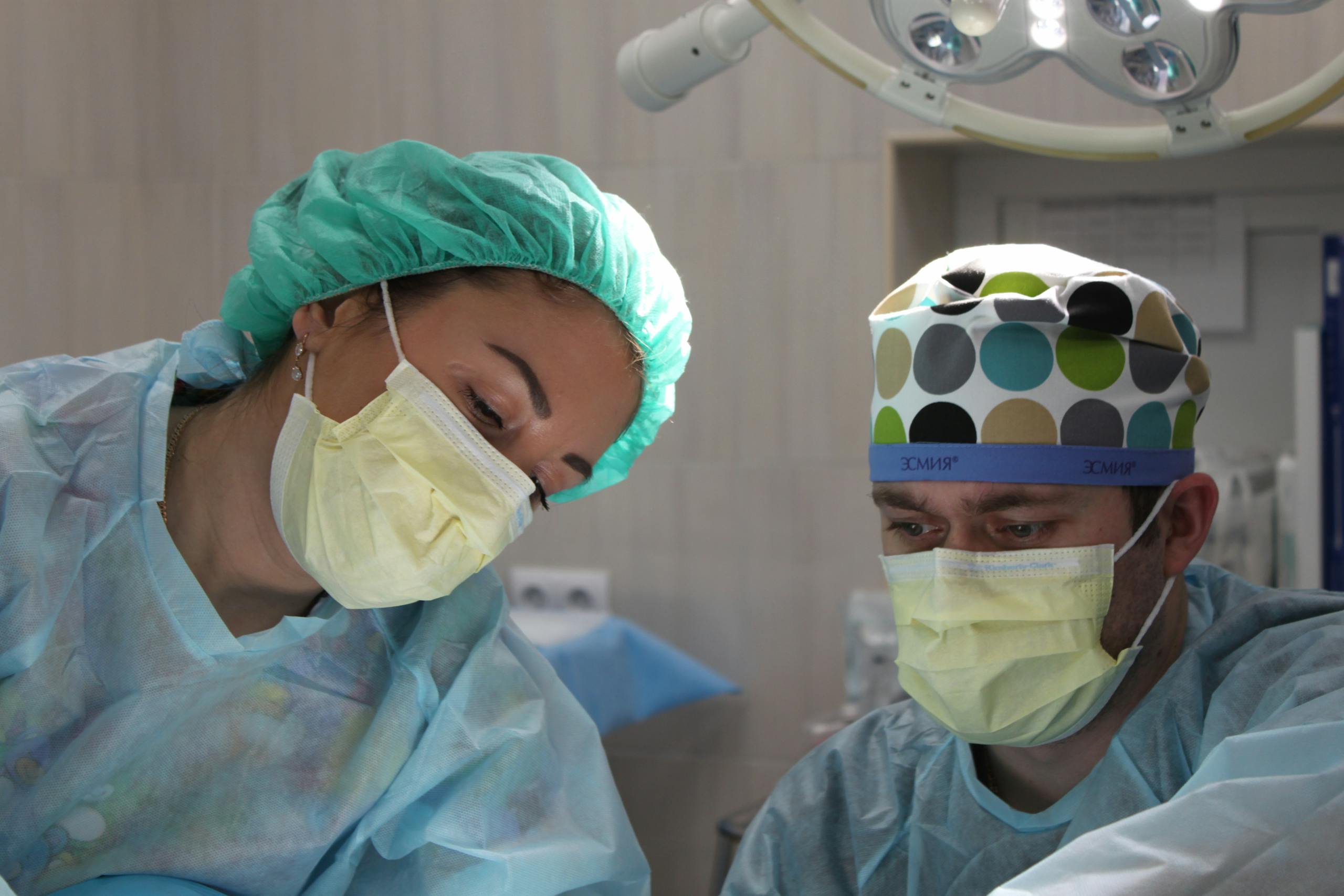
The research may sound scary, especially for anyone already nervous about anesthesia. But it is important to separate this finding from anesthesia awareness, which is the rare situation where a patient becomes conscious during surgery and later remembers parts of the experience.
This study is different. The patients were not aware. They did not report memories of the sounds. Their brains showed activity, but that activity did not become conscious experience.
That distinction matters. The brain can process information without turning it into a memory or a feeling of “I heard that.” In this case, the machinery was moving in the background, but the patient was not consciously present in the normal sense.
Why This Discovery Matters

The study raises big questions about what consciousness really is. For years, many people imagined anesthesia as a switch that turns the brain off. This research suggests it may be more like dimming and disconnecting different parts of the brain at different levels.
Some systems may stay active. Others may stop communicating. The person may remain fully unconscious, but small islands of brain activity can still respond to the outside world.
That could help scientists better understand memory, language, and awareness. It may also help improve future brain monitoring during surgery. If researchers can learn which brain signals matter and which do not, anesthesia care may become even more precise.
What Patients Should Know
For patients, the message should not be panic. General anesthesia remains a major part of modern medicine, and doctors carefully monitor patients throughout surgery. This study does not prove that people commonly hear or remember what happens while they are under.
Still, it does remind us that the brain is not a simple machine. Even when consciousness is gone, parts of it may continue to sort sounds, recognize patterns, and respond to speech.
Anyone worried about anesthesia should talk to their anesthesiologist before surgery. Past anesthesia experiences, medications, health conditions, and anxiety can all help doctors plan safer care.
The most unsettling part of the discovery is also the most fascinating. The blackout may feel complete to the patient, but deep inside the brain, some signals may still be quietly working in the dark.