Leftover egg casserole keeps 3 to 4 days in the refrigerator after baking and quiche with filling keeps 3 to 5 days, and both can go in the freezer for 2 to 3 months, according to the cold food storage chart on FoodSafety.gov. The chart, a federal food-handling resource that was last reviewed in September 2023, sets those times for dishes after they have been baked.
The numbers matter most after a holiday weekend or a big brunch, when a tray of quiche or a pan of breakfast casserole is often the dish that lingers. Here is what the chart and two university extension pages say about holding, freezing and reheating egg dishes.
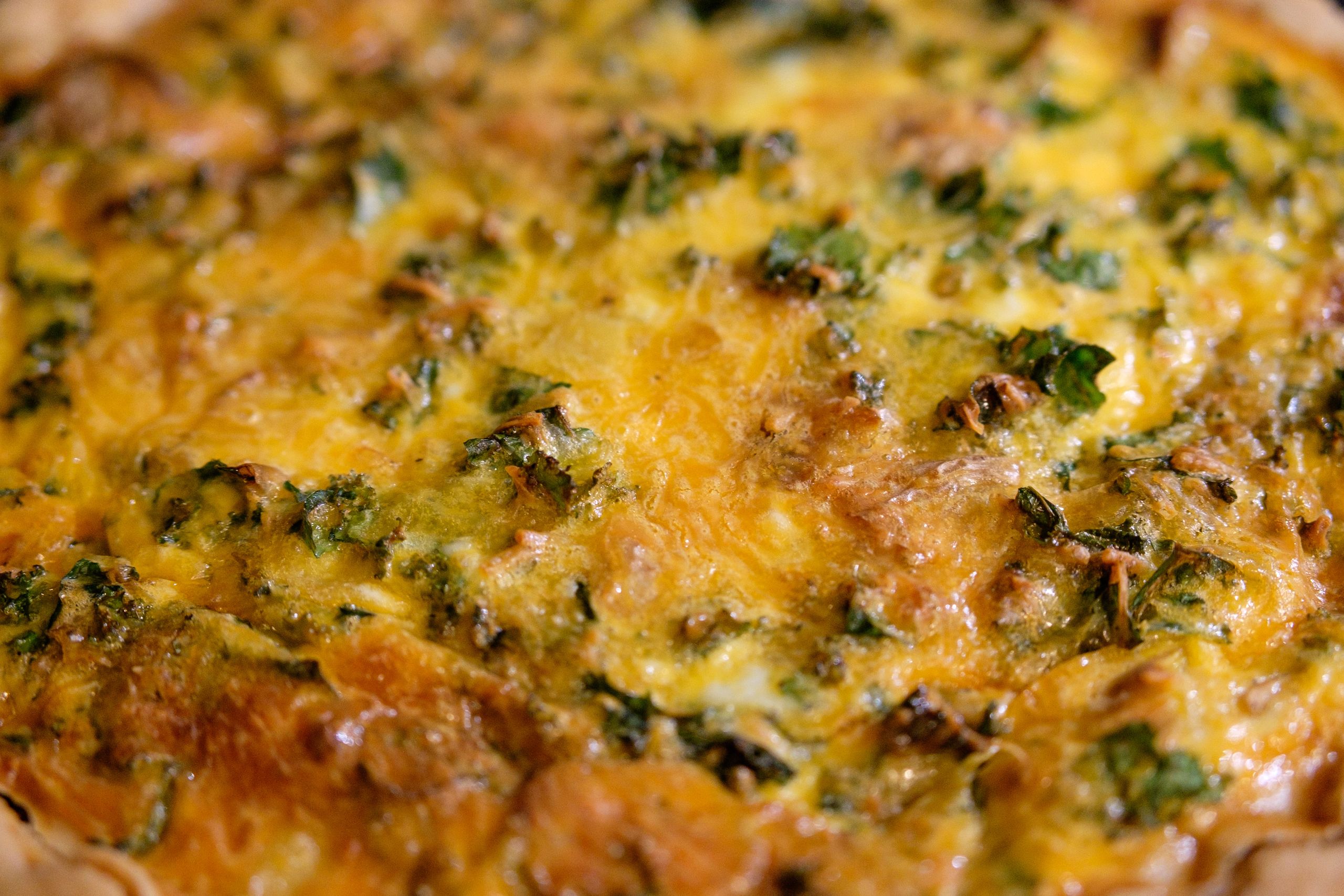
The fridge and freezer times for egg dishes
FoodSafety.gov lists casseroles with eggs at 3 to 4 days in the refrigerator and 2 to 3 months in the freezer. Quiche with filling is listed at 3 to 5 days in the refrigerator and 2 to 3 months in the freezer. The times apply to food kept at or below 40°F in the refrigerator and 0°F in the freezer.
The chart is careful about what the freezer numbers mean. It says freezer times at 0°F or below are for quality only, since food held continuously at that temperature can be kept indefinitely. A quiche frozen longer than 3 months does not suddenly become unusable, but the texture and flavor are more likely to decline.
Other dishes on the same chart give a sense of scale. Pumpkin or pecan pie keeps 3 to 4 days in the refrigerator and 1 to 2 months in the freezer, while custard or chiffon pie keeps 3 to 4 days and should not be frozen. Cooked meat or poultry, pizza, and soups and stews with vegetables or meat added all keep 3 to 4 days in the refrigerator, according to the chart.
What the extension pages add
Extension pages from two universities give a broader frame for leftovers. The University of Nebraska-Lincoln’s leftover food safety page says leftovers can be kept in the refrigerator for 3 to 4 days and frozen for 2 to 6 months. It says food should be refrigerated within 2 hours of cooking or serving, and that food left out longer than 2 hours should be discarded.
The same page says food in a pan or storage container should be 3 inches deep or less, and recommends splitting food into smaller portions and using shallow pans. It advises reheating leftovers thoroughly to 165°F or until hot and steamy. For casseroles, it says they can be reheated from frozen in the oven or microwave, though that takes longer than reheating thawed food.
Clemson Extension’s leftovers fact sheet, revised in 2016, lists a casserole, quiche or omelet at 3 to 4 days refrigerated and 2 months frozen, a shorter freezer time than the federal chart. It also says hard-cooked eggs keep 1 week in the refrigerator and should not be frozen. The sources differ slightly, which is why the federal chart’s figures are used in the headline and the Clemson figure is noted here as a more cautious option.
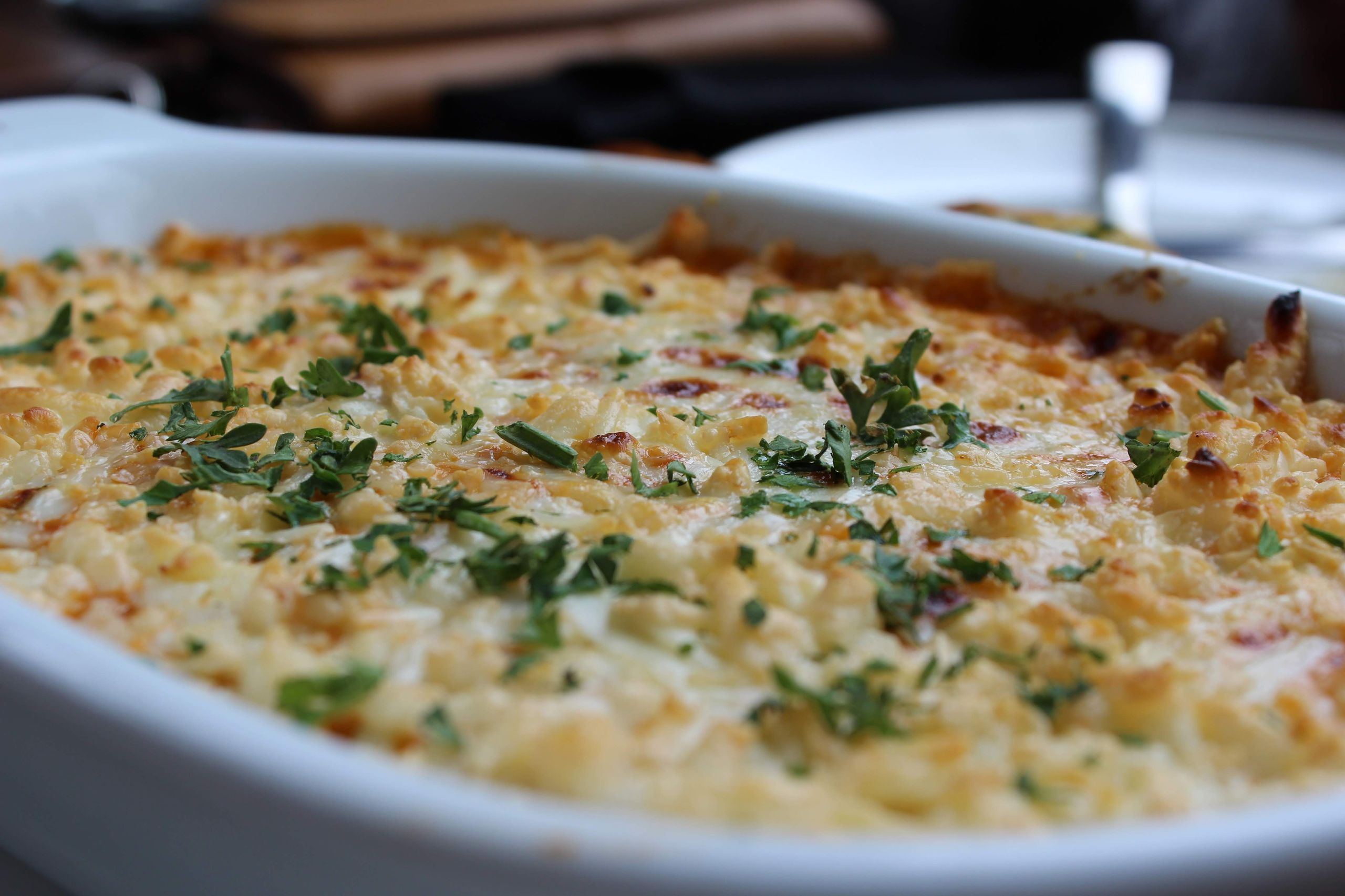
Where quiche and casseroles fit in American kitchens
Wikipedia’s entry on quiche describes it as a baked dish of eggs and milk or cream in a pastry crust, with a French background. The casserole entry describes a baked dish served from the vessel it was cooked in. In American homes, both are staples of brunch tables and potluck lines.
A sister site’s guide to Thanksgiving leftovers and the Nov. 30 finish line and its explainer on reheating eggs and leftovers cover related ground. A separate piece on breakfast station picks describes the setup many cooks use before the morning rush, and its list of items to store in the refrigerator at all times offers a quick refresher on stocking the fridge. Its look at foods from the ’60s most boomers loved recalls how many of these baked dishes have been around for decades.
Handling a tray of leftovers
Putting the pieces together gives a simple routine. Cut the quiche or casserole into portions soon after it cools, keep the layers to 3 inches or less, and refrigerate within 2 hours. Label the container with the date. Use refrigerated portions within 3 to 4 days for casserole or 3 to 5 days for quiche, per the federal chart, or freeze them for 2 to 3 months.
To use frozen portions, the UNL page says they can go straight from the freezer into the oven or microwave, with a longer reheating time, and that leftovers should reach 165°F. Dating the container on the day it is baked makes the counting simple, since every limit above is measured from baking.
Containers matter too. Shallow pans cool faster than a deep dish, which is why the extension page asks for 3 inches or less.
The numbers in short
For egg dishes after baking, the federal chart lists casseroles with eggs at 3 to 4 days in the refrigerator, quiche with filling at 3 to 5 days, and both at 2 to 3 months in the freezer. Clemson’s older fact sheet is more conservative on freezing, at 2 months. In both cases, the refrigerator should be at 40°F or below, and leftovers should be cooled and stored within 2 hours.
This article was produced with AI assistance and edited for accuracy against the sources linked above.