If you own a Bose portable speaker, check one small component before using it again: the battery pack. More than 634,000 Bose lithium-ion battery packs are being recalled in the United States after reports that they can overheat, melt, produce smoke, or catch fire.
The recall affects certain battery packs designed for Bose S1 Pro and S1 Pro+ portable speaker systems. These products were sold through major retailers and online marketplaces, including Best Buy, Amazon, Walmart, and Bose’s official website.
According to the U.S. Consumer Product Safety Commission (CPSC), seven incidents involving the affected batteries have been reported, including six cases involving property damage. No injuries have been reported so far.
For owners who use these speakers at home, outdoor gatherings, parties, or other events, the announcement is an important reminder to check the battery rather than assume every product is safe simply because it has worked normally in the past.
The CPSC announced the recall on November 5, 2026, covering approximately 634,759 Bose lithium-ion battery packs sold in the United States.
Related:3,662,000 Little Giant Ladders Sold at Lowe’s and Costco Recalled After Ladders Suddenly Retract
More Than 634,000 Bose Battery Packs Are Included

An additional 35,400 units were sold in Canada.
The recalled products are designed for two portable speaker systems: the Bose S1 Pro and Bose S1 Pro+.
The batteries were sold both as components included with speaker systems and as separately purchased accessories or replacement parts.
The sales period ran from December 2017 through July 2026. Depending on the product and configuration, the original retail price of an individual battery pack ranged from approximately $100 to $160.
Complete speaker systems sold with batteries were priced at approximately $700.
Importantly, this is not a recall of every Bose speaker. The announcement concerns only certain lithium-ion battery packs identified by serial number.
Related:175,951 Gourmia Air Fryer Ovens Sold at Target Recalled After 40 Burn Incidents
Which Bose Speaker Batteries Are Affected?
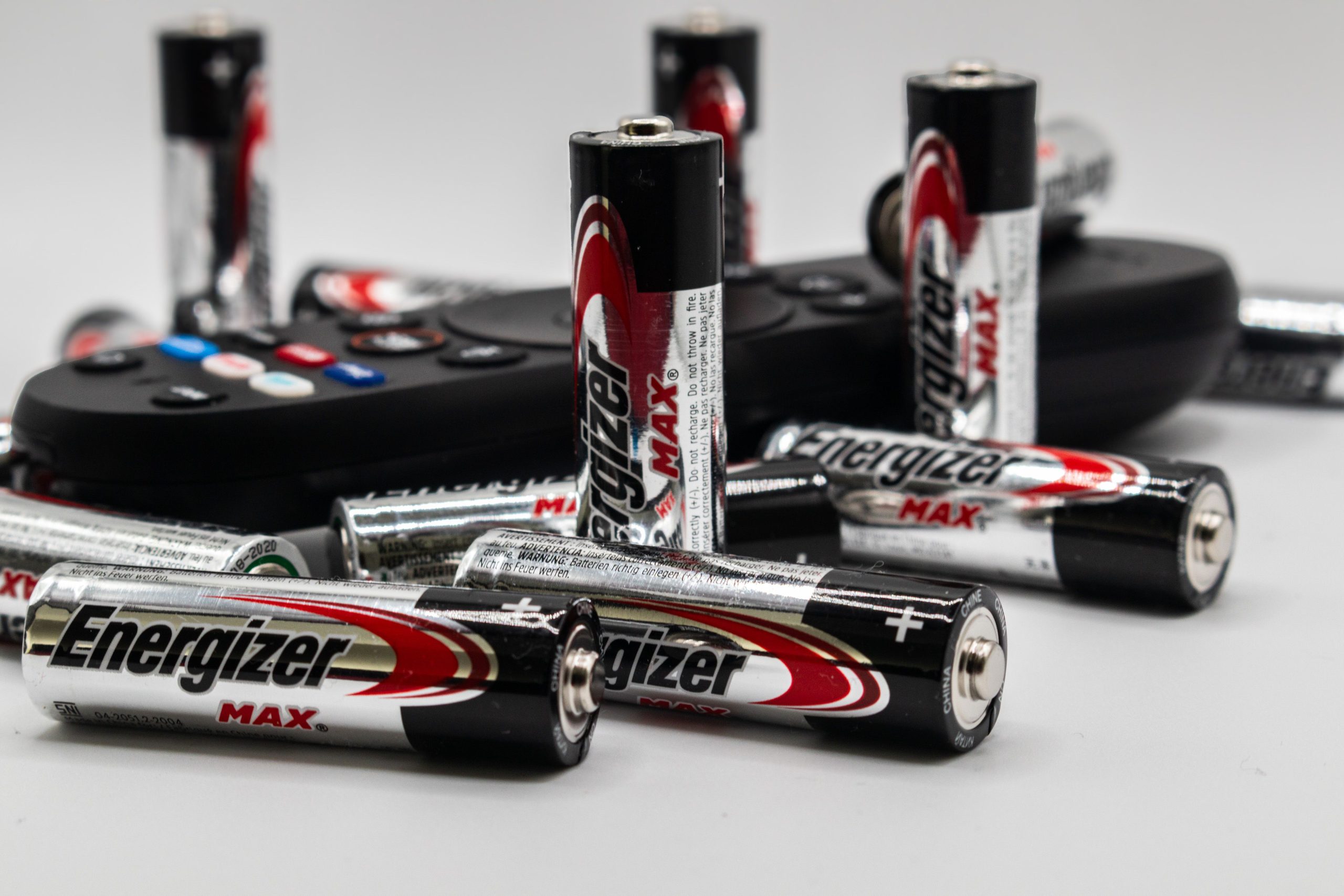
The recall identifies two battery products:
- Bose S1 Pro System Battery Pack
- Bose S1 Pro+ System Battery Pack
Both are rechargeable lithium-ion batteries designed to power their corresponding portable speaker systems.
The Bose S1 Pro and S1 Pro+ are used in different settings, including home entertainment, outdoor gatherings, presentations, and small performances.
Because some owners purchased replacement batteries separately, checking the original speaker’s packaging may not be enough to establish whether a battery is affected.
The battery itself must be inspected.
Why Are the Batteries Being Recalled?
The problem involves overheating and potential ignition.
According to the CPSC, affected battery packs can overheat and catch fire, creating a risk of burns and property damage.
The commission reported that Bose had received seven reports involving batteries that melted, produced smoke, or caught fire.
Six of those incidents involved property damage.
Although no injuries had been reported at the time of the announcement, the possibility of a battery fire makes the recall particularly important.
Lithium-ion batteries are commonly used in portable electronics because they can store substantial amounts of energy in relatively compact packages. However, when a battery develops a fault that causes overheating, it can become a fire hazard.
In this case, the recall identifies specific Bose battery packs rather than suggesting that all rechargeable batteries or all Bose electronics have the same problem.
Seven Battery Serial Numbers Can Help Owners Identify Affected Products
One of the most important parts of the announcement is how consumers can determine whether their battery is included.
The CPSC identifies seven affected serial-number prefixes:
- 083723
- 078352
- 084105
- 078591
- 078592
- 084106
- 086409
The complete battery serial number contains 17 digits. Its first six digits should be compared with the prefixes listed above.
The serial number is printed on a label on the bottom of the battery pack.
Bose also explains that the speaker and its battery have separate serial numbers. Owners should therefore check the battery’s identification label rather than relying only on the number printed on the speaker.
If the battery matches one of the recalled prefixes, it should be treated as affected and removed from service according to the manufacturer’s instructions.
Bose Batteries Were Sold Through Major Retailers
Several well-known retailers carried the recalled products.
These include Best Buy, Amazon, Walmart, Bose’s own retail locations, and the company’s official website.
The sales period extended from December 2017 to July 2026, meaning the recall may affect people who purchased their speakers or replacement batteries several years ago.
Some owners may not even remember where they originally purchased their battery.
That is why the serial-number check is particularly useful. It allows customers to identify affected products without relying entirely on old receipts or purchase histories.
If you received a Bose speaker as a gift or bought one secondhand, you should still check the battery.
Related:5 Foods to Never Buy at Walmart
What Should Owners Do With Recalled Batteries?
The CPSC advises consumers to stop using affected battery packs immediately.
Owners should turn off their speakers, disconnect them from their power source, and follow Bose’s instructions for removing the battery.
The manufacturer is offering eligible customers free replacement battery packs.
To begin, owners should visit Bose’s official recall website and enter the battery’s serial number to see whether it qualifies.
Bose says customers do not need to provide proof of purchase to request an eligible replacement.
There is also an important distinction between the battery and the speaker itself.
According to the manufacturer’s instructions, owners may continue using their S1 Pro or S1 Pro+ speaker while it is connected to AC power after the recalled battery has been removed.
Customers with more than one affected battery should check each unit.
Do Not Throw the Recalled Batteries Into Ordinary Trash
Another important part of the recall involves disposal.
Owners should not place affected batteries in household garbage, ordinary curbside recycling, or general battery recycling collection boxes.
Because the products are subject to a fire-related recall, they require appropriate handling.
The CPSC recommends contacting a local household hazardous waste collection facility to determine whether it accepts recalled lithium-ion batteries.
Consumers should ask for specific instructions before transporting the battery. If the facility does not accept recalled products, contact the local municipality for guidance.
This is worth remembering because ordinary battery collection programs may not be equipped to handle products that have been recalled because of fire risks.
Related:31 Forgotten Household Items from the Past
How to Request a Free Bose Battery Replacement
Bose has established a dedicated recall page for affected customers.
Owners can visit the company’s website to check the serial number, review removal instructions, and request a replacement.
The company also offers telephone assistance at 800-278-1083.
The CPSC recall number is 27-065.
Customers should use the manufacturer’s official instructions rather than attempting to repair, open, or modify the battery themselves.
For more information, visit the official Bose battery recall page.
A Small Component Worth Checking
The recall of more than 634,000 Bose battery packs reminds us that product safety concerns don’t always involve the entire device.
Sometimes, a single component can create a problem serious enough to require hundreds of thousands of products to be removed from use.
For Bose S1 Pro and S1 Pro+ owners, checking the battery’s serial number is a sensible first step.
With seven reported incidents involving melting, smoke, or fires, consumers should take the announcement seriously, even though no injuries had been reported when the recall was issued.
If your battery is affected, stop using it, follow the manufacturer’s removal and disposal instructions, and request the free replacement.
A few minutes spent checking a product recall could help prevent a much bigger problem at home or during your next event.