The grandchildren come through the door, head straight for the pantry and walk off with a whole bag of chips. The grandparents sit on the couch, watching the bag disappear, and wonder whether anyone is going to offer them a single one.
A grandparent asked Miss Manners exactly that in a column dated November 24, 2026. The question was short: the grandkids constantly grab a bag of some snack and never offer even one piece, and it seems very rude. Is it? Miss Manners answered with what she called an “ever-annoying ‘yes and no,'” and then used the question to make a bigger point about families eating together.

A single cookie versus a whole bag
In the Miss Manners column on ArcaMax, the answer turns on quantity. A toddler gripping one cookie earned as a reward for good behavior, she wrote, does not need to offer bites to a group of grandparents who are not sharing their martinis. That is a fair trade, and nobody should expect a small child to split a single cookie.
A whole bag is different. With a full bag of munchies, Miss Manners said, there should be a “perfunctory attempt” to pass it around. The offer does not have to be elaborate, and the grandparents do not even have to accept. The point is the gesture: holding out the bag before digging in. A family-size bag of potato chips, pretzels or cookies is made for a crowd, which is exactly why reaching for it alone reads as rude to the adults in the room. Kids often simply do not notice, so the habit has to be taught rather than assumed.
Many families learned that rule without anyone writing it down. Offering food before taking some is one of the habits that shows up in a frenzhub.com list of old-school etiquette rules that have disappeared, a roundup of manners many grandparents grew up with. Some longtime households still regard it as non-negotiable, much like the habits covered in a frenzhub.com look at things only people who grew up in the ’70s will understand.
Why Miss Manners worries about communal eating
The column, written by Judith Martin with Nicholas Ivor Martin and Jacobina Martin, then widened the lens. Miss Manners said she worries whether those grandchildren have even been exposed to the idea of communal eating. It has become common, she wrote, for people to eat alone, even in families with children. Conflicting schedules and different tastes are the excuses for everyone making their own meals without regard to anyone else.
Judith Martin has written the Miss Manners column since 1978, and its tone has always mixed strict standards with dry humor. Here she conceded that snacking is a different thing, generally a grab-when-hungry habit. But she said she cannot help thinking that the very idea of sharing food, the ancient ritual of breaking bread together, is disappearing.
Holiday tables are often the one place that ritual still survives. Thanksgiving, with its passed platters and shared pies, is among the odd American traditions that confuse the rest of the world, and the same sharing instinct is behind a craftingyourhome.com piece on Thanksgiving guest manners from Emily Post and a craftingyourhome.com list of habits that keep the peace at family dinners, where the shared table is the starting point.

The fix: seated family dinners
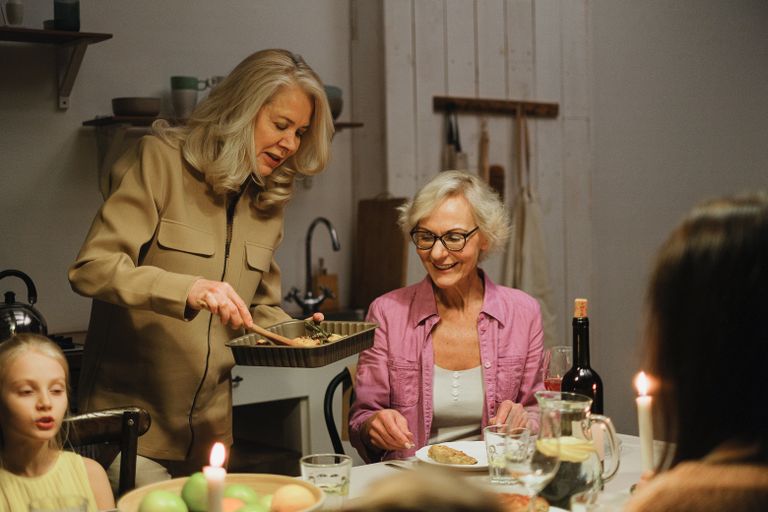
Miss Manners’ solution is not a lecture about the chip bag. The best way to encourage sharing, she wrote, is to hold seated family dinners. Children who regularly sit at a table where dishes are passed from hand to hand learn to offer food without being told.
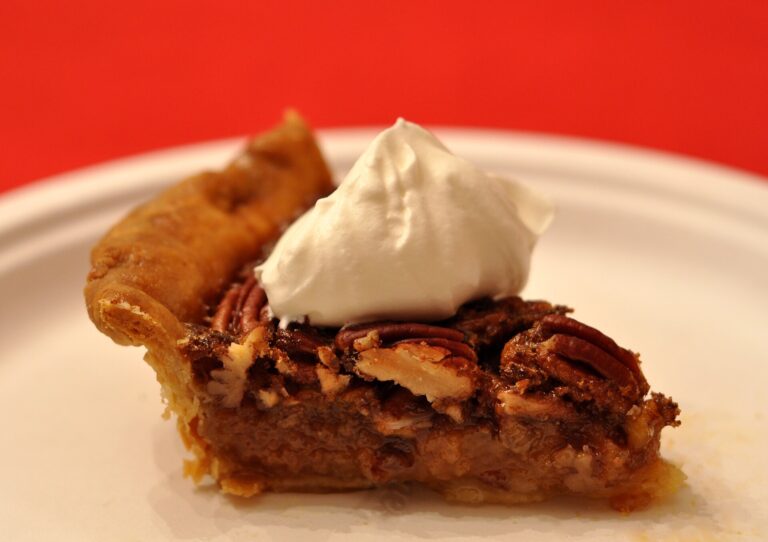
For grandparents, hosting a weekly or monthly dinner can do more than any comment in the moment. A simple menu of passed bowls, a basket of rolls and one shared dessert gives everyone at the table, from the youngest to the oldest, a reason to hand something to the person beside them. Readers can send their own questions through the Miss Manners website, and the column runs through Andrews McMeel Syndication.
In the meantime, Miss Manners offered a gentle script. A grandparent can get away with saying, “My, that looks good.” If that does not work, the next step is to ask directly whether the grandchild minds sharing a taste. A friendly question gives the child a chance to make the offer, and it teaches the habit without embarrassment.
The other letter: stuffing from a box
The same column carried a Thanksgiving question. A host who cooks the whole meal, including a 20-pound turkey and his mother’s stuffing baked inside the bird, said his son-in-law and the son-in-law’s parents refuse to try it and bring their own boxed stuffing instead. He found it insulting. His wife thought it was no big deal.
Miss Manners said the two were answering different questions. His was whether it is polite for guests to disparage the host’s menu, and it is not. Hers was whether it is worth picking fights with relatives coming for Thanksgiving, and it is not. Both were right, she concluded, but the wife was addressing the more important issue.
Taken together, the two letters say a lot about food and family. A bag of snacks passed around the room and a host’s stuffing offered at the table are small tests of the same idea. Sharing, and accepting what others share, is what turns eating into a meal together.
This article was produced with AI assistance and edited for accuracy against the sources linked above.
Image: Famartin – CC BY-SA 4.0/Wikimedia Commons