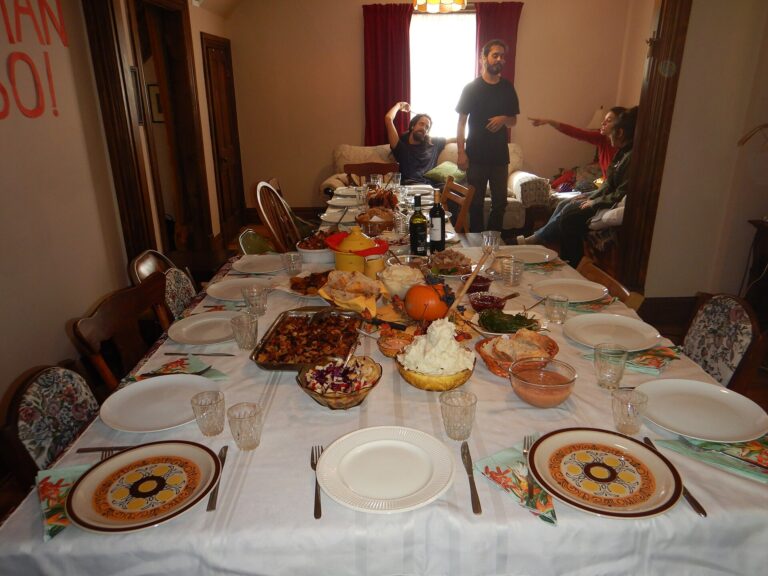
Hosting a family meal means planning menus, setting tables and washing a mountain of dishes, and the reward is usually the sight of relatives gathered around the food. For one couple, years of that work have produced a quieter question: why has no one ever hosted them back?
In a Miss Manners column dated Nov. 12, 2026 and titled “Longtime Family Hosts Never Get To Be Guests,” a woman wrote that she and her husband, along with several siblings, have hosted family gatherings 2 or 3 times a year. The column is carried by Arcamax and credited to Judith Martin, Nicholas Ivor Martin and Jacobina Martin.

Two or Three Gatherings a Year
According to the letter, the couple comes from large families and has worked to stay close to relatives over the years. They have sent gifts to their nieces and nephews and opened their home to gatherings that the younger generation attended. The couple’s own adult children host events too, and the nieces and nephews came to those.
Yet the nieces and nephews, now adults with homes of their own, have never invited the couple over, the writer says. It is a familiar pattern at holiday time, when one household becomes the default venue and the tradition hardens before anyone thinks to question it. Who hosts also shapes the customs that outsiders find curious, a theme explored in odd American traditions, and some families build a holiday tradition of their own, as described in ways married couples create one.
Hosting etiquette gives some context. The Emily Post Institute advises that hosts plan ahead, greet guests warmly and thank people as they leave, while guests are expected to reply promptly, offer help and thank the host afterward, as laid out in its party etiquette tips for hosts and guests. Nothing in those lists requires guests to host in return, but many families regard it as a gesture of thanks. Readers who recognize the dynamic may find company in simple etiquette tips for being the perfect houseguest, which cover what guests owe to hosts.
Three Weddings and No Invitations
The hurt deepened this year. The writer says the 3 youngest of the nieces and nephews, all in their 40s, married this year, and no relatives were invited to any of the 3 weddings. The column notes that earlier weddings in the family had included all three generations. Customs like these shift over time, as a list of old-school etiquette rules that have disappeared suggests.
That contrast led the writer to wonder whether past invitations were accepted out of obligation rather than affection. She says she wants to keep hosting but fears misreading the situation and causing a rift. Rituals fade as generations change, as in holiday rituals from mid-century homes that have faded, and an unreturned invitation can feel like one more of them.

What Miss Manners Asked First
The Miss Manners column, which Wikipedia says Judith Martin began in 1978 and later shared with her children, did not take the hurt at face value. Her first question was whether the writer wants to invite these relatives to future events at all.
Because the writer was already building an explanation for leaving them out, Miss Manners suggested the answer appears to be no. In the column’s reasoning, the writer would be casting attendance as a burden she was sparing the relatives from. That explanation would collapse, the column pointed out, if the relatives replied that they had enjoyed the events.
The advice offered two paths. The writer can voice her disappointment gently, or, if she prefers not to discuss it, she can simply stop inviting them and answer any questions with a brief, polite apology.
The Larger Pattern at Family Tables
Stories about who gets invited and who does the cooking surface often during the holidays. The anonymous letter writer’s relatives were not heard from, so their side of the story is unknown, and the column handled the matter as one woman’s perception rather than a fact about the family.
What Hosts Can Weigh Before the Next Invitation
The column’s logic is practical. A host who keeps inviting should do so because the gathering is wanted, not because a return invitation is expected. A host who has quietly stopped wanting certain guests should say so to themselves honestly before blaming the guests.
Gifts, birthday cards and a standing place at the holiday table are all gestures that build family closeness, and they do not come with a receipt. A cousin or a nephew who lives in a small apartment, works long shifts or simply feels uneasy about cooking for a crowd may have reasons that have nothing to do with the family at all.
What Happens at the Next Table
The takeaway from the column is that hosting is a choice, not a debt collected in return. A host who gives freely and a guest who accepts graciously can both be in the right even if the invitations never come back around.
For a family planning another gathering, the more useful question may be the one Miss Manners asked first: who does the host want at the table? Once that is answered honestly, the menu, the date and the guest list follow, and the next family meal can begin without a ledger of who owes whom.
This article was produced with AI assistance and edited for accuracy against the sources linked above.
Image: NPS Photo – Public domain/Wikimedia Commons