Thanksgiving week fills kitchen trash cans fast, and plenty of home cooks carry the peels, rinds and plate scrapings straight out to the backyard compost bin. The U.S. Environmental Protection Agency says a good share of that pile belongs there, but it also names 6 kitchen leftovers that a home bin is better off without.
Those 6 are meat, fish and bones; cheese and dairy; fats, oils and grease; cooked food beyond small amounts; compostable takeout ware and bags; and the little stickers on produce. Here is what the agency says about each, and what can go in instead.

Meat, Bones, Cheese and Grease: The Animal Magnets
The first three items on the list share one problem. On its composting at home page, the EPA says meat, fish and bones, cheese and other dairy, and fats, oils and grease can attract animals to a backyard pile. A turkey carcass, a ham bone or a bowl of leftover gravy gives off a smell that raccoons, opossums, rats and neighborhood dogs find quickly.
That makes the holiday table one of the trickiest weeks of the year for a home composter. The roasting pan drippings, the butter left on the dinner rolls, the cheese board ends and the bones from the bird all land in the same category. Dogs that dig into a bin can also find food that does not sit well with them, a point covered in this list of Thanksgiving foods dogs should never get.
Grease brings a second issue. Fats coat the other scraps and slow the breakdown that turns kitchen waste into dark, crumbly compost. Many cooks pour cooled fat into an old can, let it firm up and toss it with the household trash instead.
Cooked Food and the “Small Amounts” Exception
Cooked leftovers are the fourth item, but the EPA does not draw a hard line here. The agency lists cooked food among the things to keep out because it can draw animals, then notes that small amounts are acceptable. A spoonful of plain rice or a few steamed green beans scraped off a plate is a different matter from a whole tray of stuffing or a pot of leftover mashed potatoes made with butter and cream.
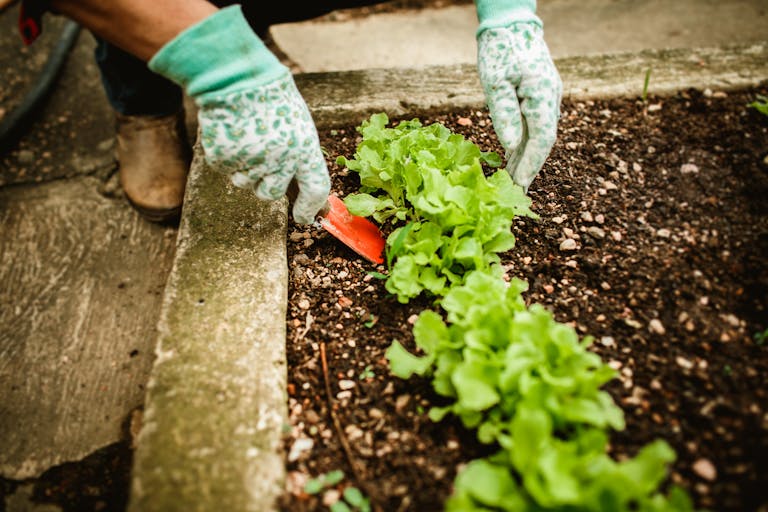
A practical split for the week after Thanksgiving: plain vegetable trimmings go to the bin, while dishes heavy with meat, cheese, butter or gravy go in the trash or, better, get eaten as leftovers. Gardeners who keep a pile going through the cold months, the way growers do with elevated garden beds for fall greens and herbs, often keep a lidded pail by the sink and sort plate scrapings before they ever leave the kitchen.
Compostable Plates and Bags That Will Not Break Down at Home
The fifth item surprises many households. Plates, cups, forks and bags stamped “compostable” are often used for big holiday gatherings, and it seems natural to toss them in the bin. The EPA says backyard piles generally do not get hot enough to break them down, so they can sit in the pile for a long time.
The agency suggests checking whether a commercial composting facility in the area accepts them. Those facilities run much hotter than a backyard bin, which is why the same plate can vanish there and linger at home. The background on how a pile heats up is laid out in the Wikipedia entry on compost, which describes the microbes that do the work and the heat they give off when a pile is well balanced.

The Tiny Sticker That Stays Behind
The sixth item is the smallest. The EPA lists produce stickers among the things to keep out of a home pile. Those labels, which carry the four- or five-digit price look-up codes cashiers punch in at checkout, are usually made of plastic or coated paper. They often turn up months later, intact, in otherwise finished compost.
Peeling the sticker off an apple, avocado or squash before tossing the core or skin takes a second. The same EPA list also flags glossy paper, dryer lint and pet waste for the trash, which is worth a look for anyone sorting a full kitchen bin, along with the rule of thumb for things never to leave in an unheated garage once freezing weather sets in and the pail sits outside.
What the EPA Says Can Go in the Bin
The welcome list is long. The EPA’s “greens” include fruit and vegetable scraps, coffee grounds and paper filters, paper tea bags without staples and crushed eggshells. That covers most of the prep waste from a holiday meal: onion skins, carrot peels, celery ends, potato peels, cranberry stems and pumpkin pulp.
Those greens need “browns” to balance them. The agency lists dry leaves, plant stalks and twigs, shredded non-glossy paper and brown bags, shredded cardboard without wax, tape or glue, and plain wood chips. It recommends adding at least two to three times the volume of browns to greens, and covering fresh food scraps with 4 to 8 inches of browns. The fall leaf pile, which some homeowners skip raking in favor of ideas like xeriscaping to save money at home, makes a ready supply.
Burying scraps under browns also cuts down on the smell that draws visitors. Gardeners who have dealt with the worst garden pests know that a covered, well-mixed pile is far less inviting than a heap of exposed peels.
Indoor worm bins, which some apartment dwellers use when there is no yard, follow tighter rules. The EPA says to keep citrus, onions and garlic out, along with meat, dairy, greasy foods, bones and pet waste. That rules out a lot of holiday prep scraps, from orange peels used in cranberry sauce to the onion ends from the stuffing.
The agency recommends red wrigglers, a bin kept between 59 and 77 degrees Fahrenheit, and adding new food only after the worms finish the last batch. Worms eat about 25% of their body weight a day, so a pound of worms handles a modest stream of scraps rather than a whole holiday’s worth. More on how these bins work appears in the Wikipedia entry on vermicompost.
For produce that is not scrap yet, storage matters too. North Carolina State Extension’s guide to winter storage of fruits and vegetables covers keeping squash, potatoes, onions and carrots in good shape through the cold months, which means fewer of them end up in any bin at all.
This article was produced with AI assistance and edited for accuracy against the sources linked above.
Image: Niwrat – CC BY-SA 4.0/Wikimedia Commons