Creating a healthy meal plan for your family doesn’t have to drain your wallet or your energy. With a systematic approach, you can design meals that are nutritious, affordable, and easy to prepare. By combining strategic planning, smart grocery shopping, and mindful cooking, it is possible to maintain a balanced diet while staying within a budget.
Before diving into specifics, it’s important to establish a planning structure that serves as the backbone of your meal strategy.
Establish a Consistent Meal Planning Routine
Commit to planning meals on a regular schedule that fits your family’s routine, whether that’s weekly for busy households or biweekly/monthly for those with shifting schedules.
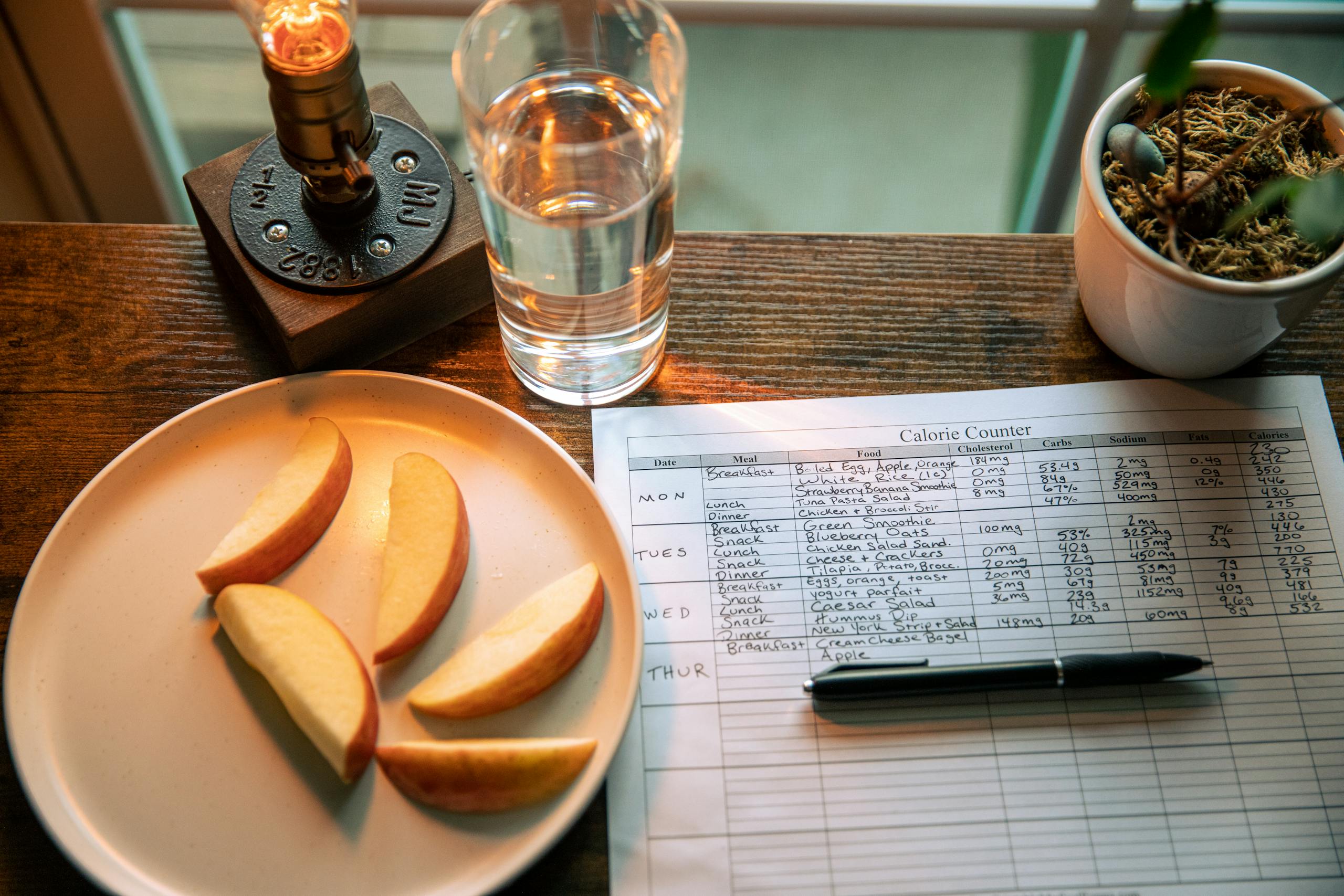
Choose a method to record your meals that is both convenient and visible. Options range from a dedicated meal planning binder to digital apps, chalkboards, or even a simple notebook. The key is consistency: when meals are documented in a predictable place, planning becomes a seamless part of your routine.
Develop a list of simple, healthy meals to streamline your weekly planning. Focus on recipes that are easy to prepare, nutritionally balanced, and appealing to all family members. Each time a new meal is a hit, add it to your master list. Over time, this becomes a reliable resource, reducing decision fatigue and ensuring variety without stress.
Prioritize Nutrient-Dense Foods
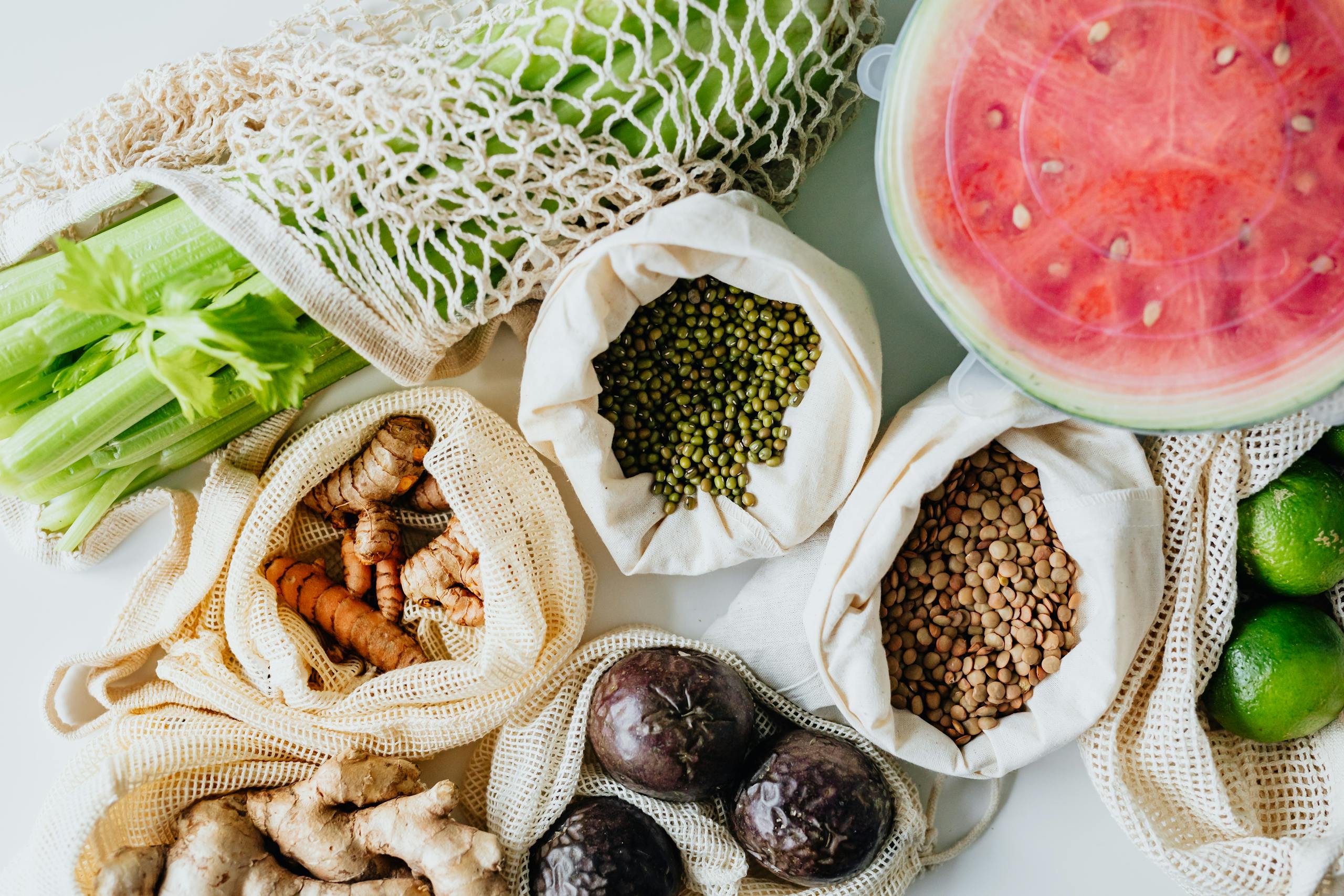
Healthy meal planning is about selecting foods that provide maximum nutrition per serving. Focus on lean protein sources such as skinless poultry, fish, lean cuts of beef, tofu, and legumes. These foods supply essential amino acids without excess saturated fat.
Incorporate a variety of fruits and vegetables, prioritizing nutrient-dense options like spinach, kale, sweet potatoes, avocados, berries, and citrus. These foods provide vitamins, minerals, and fiber that support energy, immunity, and overall health. Rotate your selections based on seasonality and availability to maintain both cost-effectiveness and freshness.
Control portion sizes to align with energy needs and weight goals. For an average 2,000-calorie diet, aim for roughly two and a half servings of vegetables, two servings of fruits, six servings of grains, three servings of dairy, and six ounces of protein each day. Adjust these amounts for children, teens, or highly active family members.
Cook Smart to Preserve Nutrition
The way food is prepared can drastically affect its nutritional value. Favor cooking methods that retain vitamins and minerals, such as steaming, baking, roasting, and grilling. Avoid deep frying or excessive use of oils, butter, or creamy sauces, which add unnecessary calories and saturated fat.
Use non-stick cookware to reduce added fats, and substitute low-fat ingredients for full-fat versions whenever possible. For instance, choose skim milk, low-fat cheese, or Greek yogurt in place of higher-fat alternatives. By planning cooking methods alongside meal selection, healthy meals remain both affordable and nutrient-rich.

Optimize Grocery Shopping to Stretch Your Budget
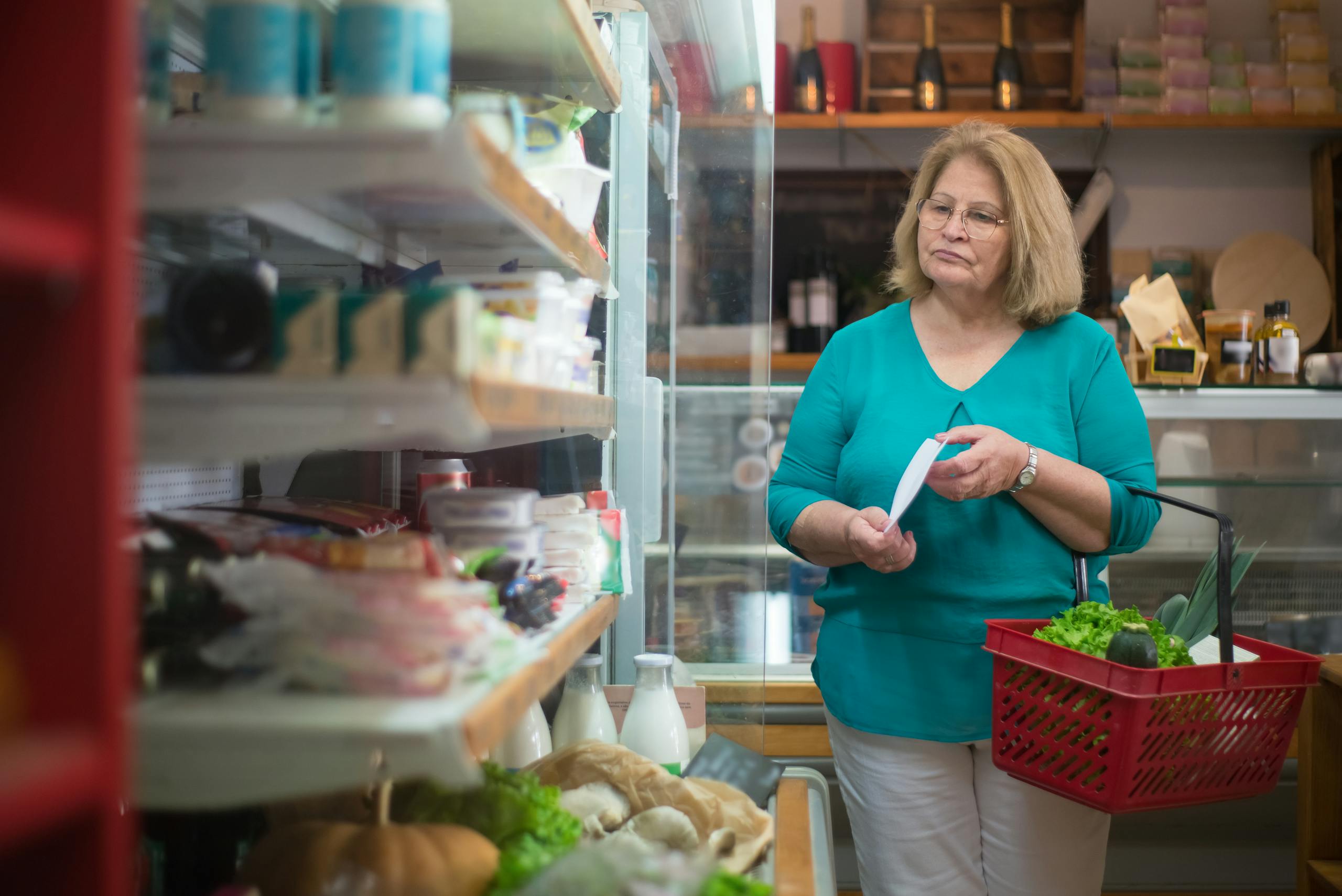
Building a budget-friendly meal plan requires strategic shopping. Start by taking inventory of pantry, fridge, and freezer items to prevent waste and identify foods that need to be used first. This practice ensures meals are both economical and timely.
Shop sales and seasonal produce to maximize savings. Frozen fruits and vegetables often provide comparable nutrition to fresh options and can reduce costs when out-of-season items are needed. When possible, buy staples such as grains, beans, and proteins in bulk, paying attention to unit prices to confirm true savings.
Leverage Leftovers and Batch Cooking
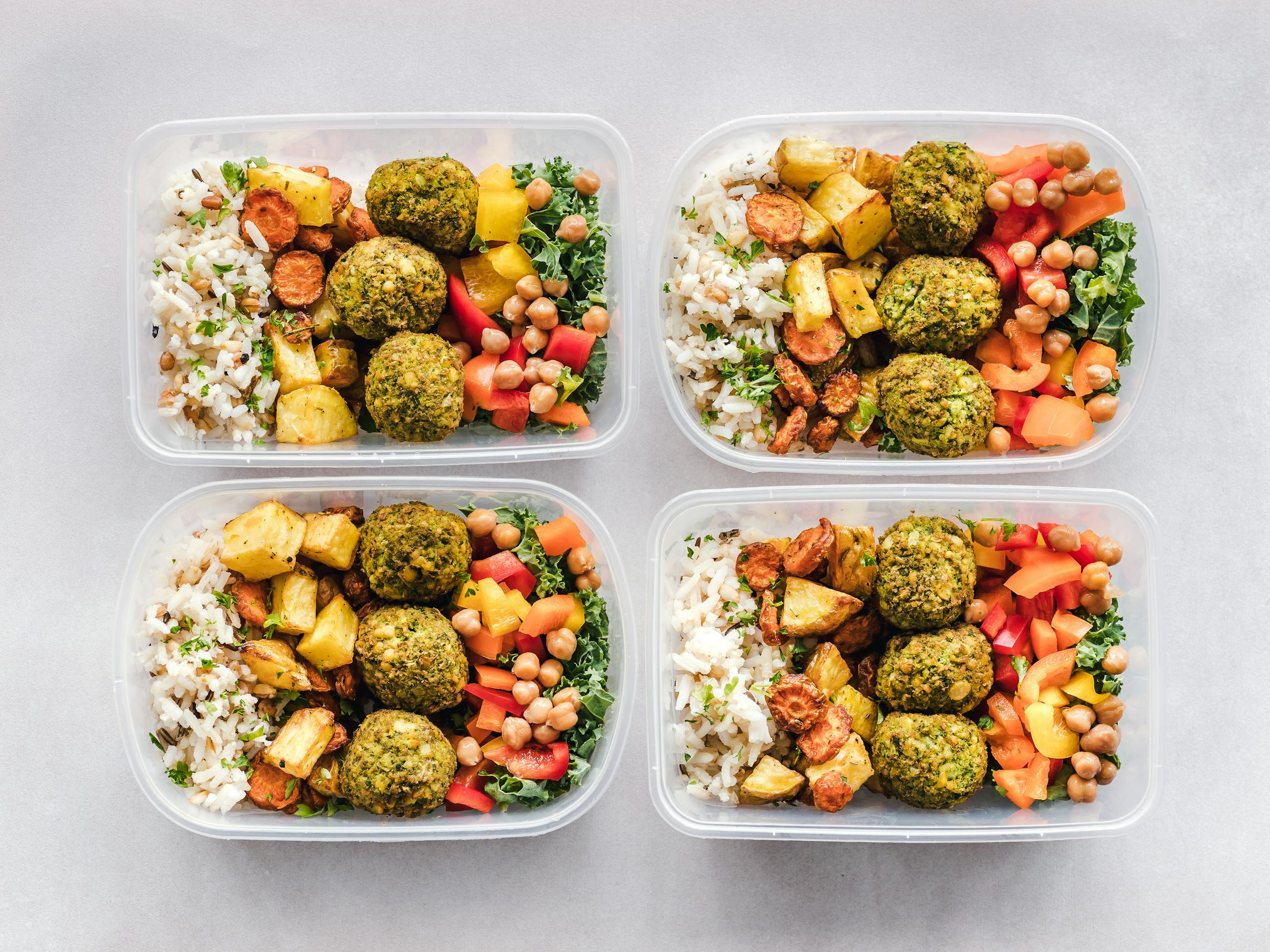
Leftovers are a powerful tool for extending your grocery budget. Prepare larger portions and repurpose extra food into soups, casseroles, stir-fries, or salads. Leftover proteins can be added to sandwiches or omelets, and vegetables can serve as toppings for homemade pizzas or tacos. Batch cooking not only saves money but also reduces daily meal prep time.
Introduce at least one meatless meal per week to further reduce expenses. Substitute protein-rich plant foods like lentils, beans, tofu, mushrooms, nuts, and seeds. Meatless meals can be flavorful, satisfying, and highly nutritious while keeping your overall grocery costs lower.
Plan Snacks and Breakfasts Strategically
Healthy snacks and breakfast options can significantly impact your family’s overall nutrition and spending. Choose versatile, low-cost items like oats, eggs, bananas, or carrot sticks that can be used across multiple meals. Prepping snacks in advance, such as portioning nuts or chopping vegetables, saves time during the week and reduces reliance on expensive, processed convenience foods.
For breakfast, rotating between quick options like overnight oats, smoothies, or whole-grain toast with nut butter provides variety while keeping costs under control. By integrating affordable, healthy breakfasts and snacks into your plan, your family maintains energy and avoids impulsive, costly choices throughout the day.

Use Freezer-Friendly Meals
Freezing meals is a practical way to save money and reduce food waste. Double recipes when cooking dinner and freeze half for later, or create ready-to-go batches like soups, stews, and casseroles. Frozen meals can be just as nutritious as freshly prepared dishes, and having options on hand reduces the temptation for last-minute takeout.
Label containers with dates and reheating instructions to simplify meal prep and ensure food safety. This approach not only maximizes your grocery budget but also provides flexibility for busy schedules or unexpected family activities.
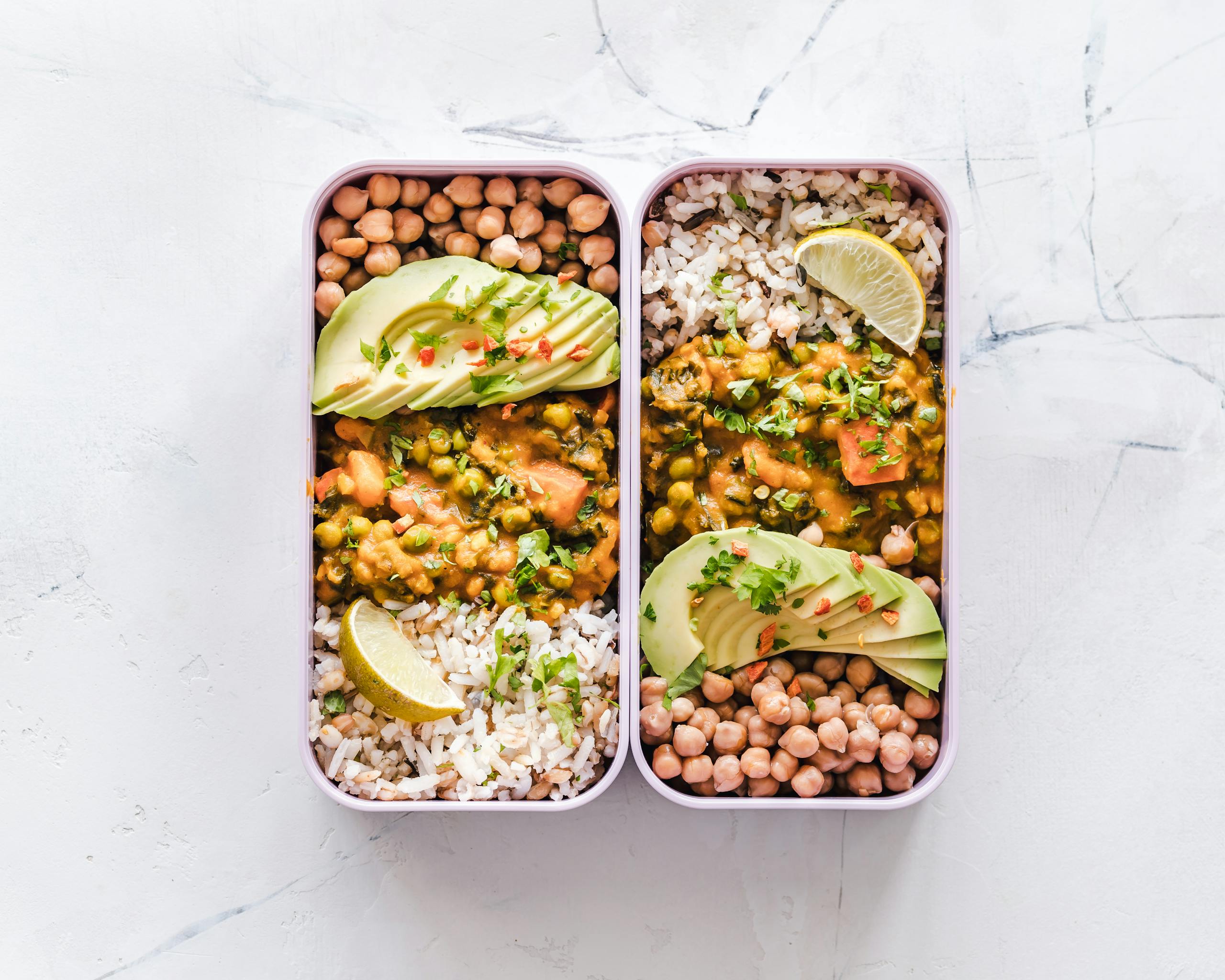
Sample Weekly Meal Plan Layout
Breakfast: Oatmeal with fresh fruit or Greek yogurt with berries
Lunch: Vegetable and bean salad, whole-grain wraps with lean protein
Dinner: Grilled chicken or fish, roasted vegetables, and quinoa or brown rice
Snacks: Nuts, sliced vegetables, or seasonal fruit
This structure allows flexibility, incorporates leftovers, and keeps meals balanced. Adjust quantities and protein sources based on family preferences and availability.
Final Thoughts on Affordable Healthy Meal Planning
Healthy eating on a budget is achievable with strategic planning, thoughtful grocery shopping, and mindful cooking. By establishing a consistent meal planning routine, prioritizing nutrient-dense foods, and creatively using leftovers, families can enjoy balanced meals without overspending. Adding freezer-friendly meals and prepped healthy snacks enhances convenience and ensures your plan is sustainable in the long term.
Key takeaways: Consistency in planning, choosing nutrient-dense foods, and shopping mindfully are essential for affordable, healthy meal planning. Regular routines, creative use of leftovers, and freezer-friendly options streamline the process and curb costs. By focusing on these strategies, your family can simplify mealtime while maintaining healthy, balanced habits.