Washing dishes by hand seems simple enough. Add some dish soap, scrub away the food, rinse everything under hot running water, and leave the plates to dry. But cleaning and sanitizing are not exactly the same thing, and that distinction matters when it comes to food safety.
Even properly washed dishes can retain some microorganisms, particularly when cleaning practices are poor or contaminated sponges and dishcloths are involved. Understanding when sanitizing is necessary can help households reduce the risk of spreading harmful germs through everyday kitchen activities.
Hot Water and Dish Soap Do Not Guarantee Sanitization
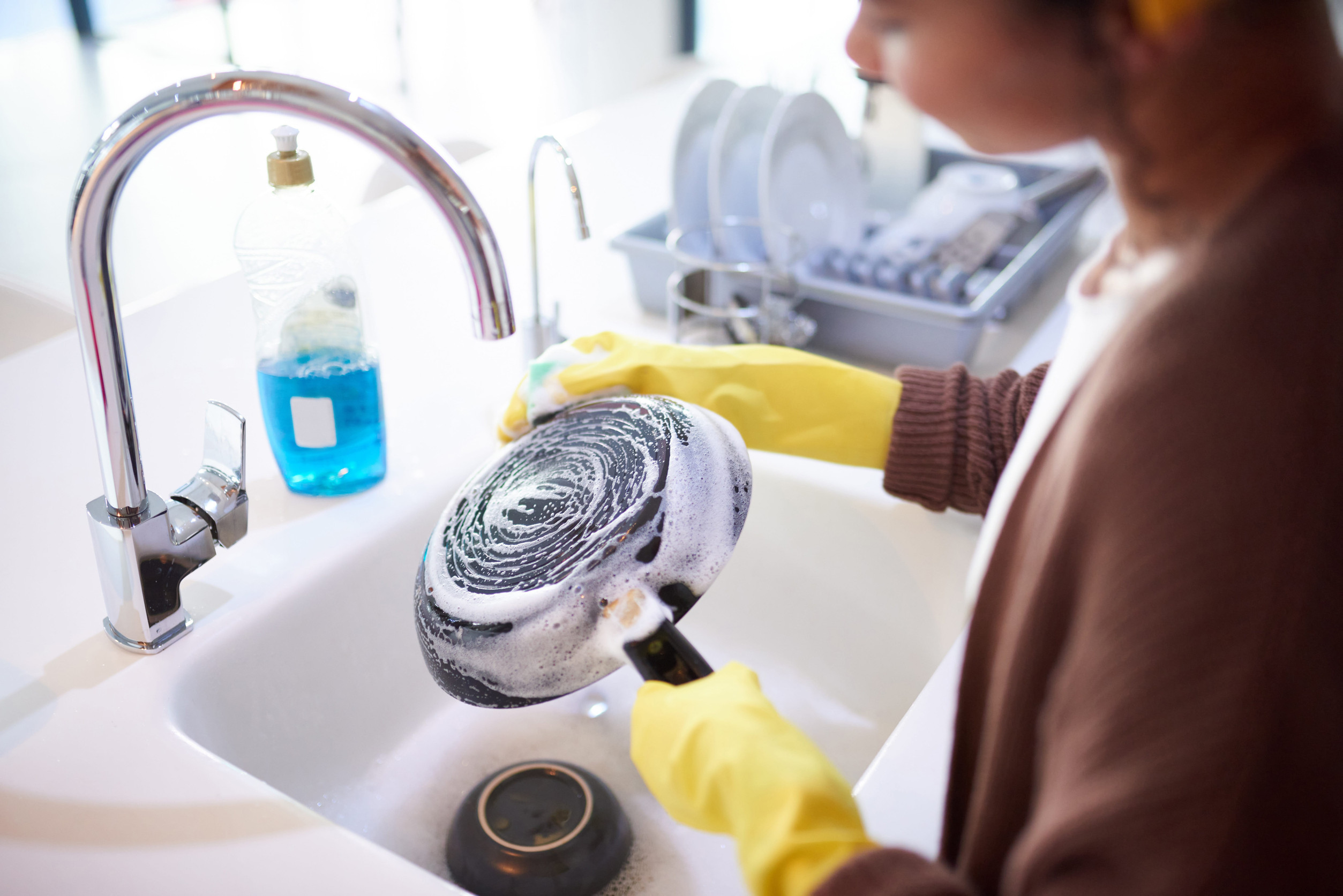
Hot, soapy water is effective at removing food particles, grease, and many microorganisms from dishes. However, ordinary household tap water is not hot enough to reliably kill all harmful bacteria. Water would need to reach temperatures that could cause serious burns before heat alone could serve as an effective sanitizing method.
This is why food safety guidelines distinguish between cleaning and sanitizing. Cleaning removes visible dirt and many germs, while sanitizing reduces remaining microorganisms to safer levels. Both processes have a role in preventing food contamination.
Cleaning and Sanitizing Serve Different Purposes
A plate may look perfectly clean after being scrubbed and rinsed, but appearance does not tell you everything about its microbial condition. Cleaning removes food residue and contaminants using soap, water, and physical scrubbing. Sanitizing comes afterward and reduces the number of microorganisms that may remain on the surface.
The distinction is particularly important in commercial kitchens, childcare facilities, and places where food is prepared for many people. The Georgia Department of Agriculture, for example, outlines a manual dishwashing process involving washing, rinsing, sanitizing, and air drying. These steps help reduce the risk of transferring harmful microorganisms between utensils and food.
When Should Household Dishes Be Sanitized?
Not every plate or drinking glass used at home needs chemical sanitizing after every meal. The CDC explains that routine sanitizing in ordinary household settings is generally unnecessary when surfaces and objects are cleaned properly. However, additional precautions may be appropriate when someone in the household is sick, after contamination incidents, or when caring for certain infant feeding items.
The CDC also recommends washing, rinsing, and sanitizing highchair trays before and after they are used for eating. These precautions are particularly useful when surfaces are frequently exposed to food, saliva, and other potential contaminants.
How Commercial Kitchens Sanitize Hand-Washed Dishes
Restaurants and other food establishments generally follow stricter requirements than ordinary households. Their manual dishwashing procedures involve three main stages: washing with detergent, rinsing away soap and food residue, and sanitizing using an approved method. Chemical sanitizers must be used at the correct concentration and for the required contact time.
The alternative is heat sanitization using water hot enough to meet food safety standards. The Centers for Medicare and Medicaid Services, referencing food safety requirements for facilities, describes immersion in water at 171 degrees Fahrenheit for at least 30 seconds as one approved method. Commercial kitchens must also ensure that their sanitizing equipment and solutions are properly monitored.
Air Drying Is Better Than Using a Dirty Dishcloth
Once dishes have been washed and sanitized where necessary, how they dry also matters. Using a dishcloth that has already been used several times can transfer microorganisms back onto otherwise clean plates and utensils. Even a cloth that looks clean may have picked up bacteria from countertops, hands, or leftover food.
Allowing dishes to air dry on a clean drying rack is a simple way to reduce this risk. The Academy of Nutrition and Dietetics also recommends air-drying hand-washed dishes rather than rubbing them with a towel. Keeping the drying area clean is just as important as washing the dishes properly.
Your Kitchen Sponge Needs Attention Too
A kitchen sponge can collect food particles, moisture, and microorganisms during everyday dishwashing. Repeatedly using the same sponge without cleaning or replacing it can spread contamination rather than remove it. This becomes particularly concerning when the sponge is used on plates, chopping boards, and surfaces that have come into contact with raw meat.
Wash or replace sponges regularly, and avoid using the same cleaning cloth for every kitchen surface. It is also important to clean sinks and drying racks because these areas can collect food residue and bacteria. A clean sponge and drying area make proper dishwashing much more effective.
Safe Dishwashing Is About More Than Hot Water
Hand washing dishes remains an effective way to keep kitchen utensils clean, provided the process is done properly. Use detergent, scrub away food residue, rinse thoroughly, and allow dishes to air dry on a clean rack. Additional sanitizing is important in certain situations, but households do not need to treat every plate as though it came from a commercial kitchen.
The CDC’s guidance emphasizes cleaning first and using sanitizing measures when circumstances call for them. Paying attention to sponges, dishcloths, sinks, and drying surfaces can also help prevent contamination. A little extra care in the kitchen can make everyday food preparation safer for everyone.