A farm in Pennsylvania’s Oley Valley has started selling cooking oil pressed from the nuts of the yellowbud hickory, a tree long dismissed as a “trash tree” because its nuts are too bitter to eat. It takes roughly 8 to 10 gallons of nuts to make 1 gallon of oil, and tasters describe the result as mellow and bright, with notes of citrus, butter and licorice.
Bloom Farm began selling its first batch this month, Civil Eats reported on Nov. 17, 2026.

A Bitter Nut That Turns Into a Mellow Oil
The yellowbud, Carya cordiformis, is also called bitternut hickory, and the name is earned. Its nuts are bitter and high in tannins, which is why generations of foragers passed them by in favor of sweeter hickories and black walnuts.
Pressing changes that. According to Civil Eats, the kernels are about 70 to 75 percent oil by weight, and the bitterness and tannins are left behind during pressing. Tannins are compounds that dissolve in water rather than fat and leave a dry, puckering feel in the mouth, which helps explain why so little of that bite carries into the oil. What comes out is a deep, honey-colored oil that Pennsylvania volunteer forager Cas Castellano compared to the taste of an uncooked macadamia nut. Castellano said that once the trees are noticed, the taste is impossible to forget.
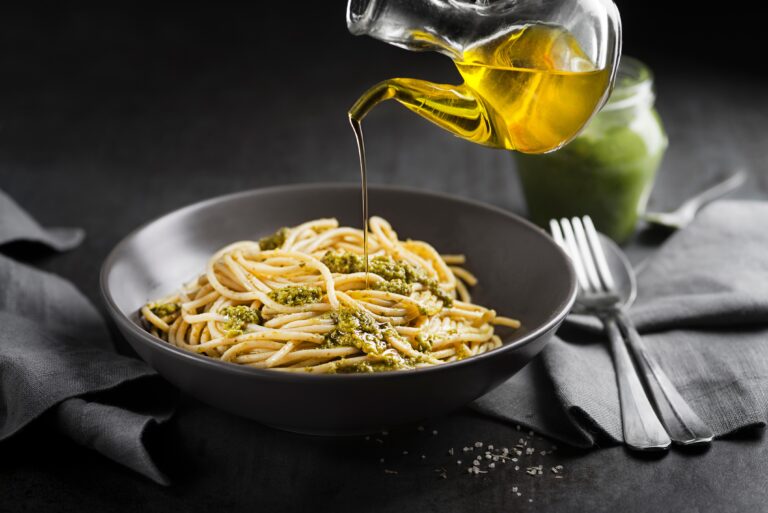
The oil has a smoke point of around 400 degrees Fahrenheit, according to the report, which puts it in range for sauteing as well as dressings and drizzling as a finishing oil. Civil Eats compared its uses to olive and canola oil. A higher smoke point matters for cooks because oil that is heated past it starts to break down and develop harsh, burnt flavors, a lesson anyone who has seasoned a skillet learns quickly from the cast iron habits Lodge says to avoid.
How the Nuts Become Oil
The nuts are processed at Third Place Processing, a facility near Bloom Farm that received FDA certification in January. Matthew Holt, its processing operations director, described the steps:
- The nuts are inspected for fungus and rot.
- They dry for a few weeks until they reach about 8 percent moisture.
- A cracking machine removes the thin shells.
- The kernels go through an industrial oil press, bought secondhand.
- Remaining sediment is filtered out, and the oil is bottled.
Even the leftovers have a use. The fibrous “press cake” of nut meat and shells can be sold as animal feed or used to smoke meats, giving the hickory its familiar role in the smokehouse once again. Turning a bitter, ignored crop into something useful also fits the spirit of clever frugal living tips, and nut oils, like whole nuts, keep best in cool, dark spots, a point covered in best practices for seasonal storage. Holiday cooks looking for a lighter touch with oil can also lean on countertop appliances, as in a comparison of ways to free up the oven this Thanksgiving. Family recipes often hinge on one special ingredient, from heirloom pie crusts to the 18 items on the Marilyn Monroe stuffing recipe that sold for $16,000, and Bloom’s team hopes a local nut oil can earn that kind of spot in regional kitchens.

From Tech Job to Hickory Farmer
Brian Nana-Sinkam left a tech career in New York City in 2024 and returned to Pennsylvania, where his older brother Sam had bought 60 acres to start Bloom Farm, a regeneratively managed orchard and inn. Brian now grows yellowbud hickories and promotes the oil.
He told Civil Eats that once the shape of the yellowbud, its canopy and leaves becomes familiar, finding the trees turns addictive. Bloom pays foragers $5 per gallon of nuts they collect, and the farm maps wild trees in the valley to find the most productive ones. Its best wild tree yields more than 200 pounds of nuts a year. Planted trees may need 5 to 7 years after transplanting to bear a crop.
The idea did not start in Pennsylvania. In the 2000s, Wisconsin wild harvester Sam Thayer recognized the yellowbud’s nuts as a workable oil crop. Jesse Marksohn of Yellowbud Farm, a wholesale nursery in Northfield, Massachusetts, has since supplied nearly 7,000 yellowbud seedlings to growers. Bloom also wants to process nuts for others. Nana-Sinkam said the goal is for 90 percent of what gets processed to go to other people.
An Old Food With a Long History
Indigenous peoples, including the Lenape of what is now Pennsylvania, used the yellowbud for wood and for a milk made from its nuts. Those uses were largely lost during colonization, and early settlers who cleared forests for farmland regarded hickories as a nuisance. The tree’s native range spans 33 states, from Texas to Vermont.
Bloom’s team imagines more products from local nuts, including flours, snack bars and desserts. For now, the first bottles of yellowbud oil offer something rare for a pantry: a cooking fat with a flavor of citrus, butter and licorice, made from a tree most people walked past without a second look.
This article was produced with AI assistance and edited for accuracy against the sources linked above.
Image: Potomac Conservancy – CC BY 2.0/Wikimedia Commons