Rinsing the Thanksgiving turkey under the faucet is a habit the U.S. Department of Agriculture says to drop. In a USDA observational study of home cooks, 26% of participants who washed raw poultry transferred bacteria from it to ready-to-eat salad lettuce, and 60% had bacteria in the sink afterward.
The agency’s advice is simple: do not wash or rinse poultry, and rely on cooking to 165 degrees Fahrenheit instead.

What the USDA Study Found
The numbers come from the USDA’s article on washing raw poultry, published on USDA.gov, which summarized a study in which home cooks prepared a meal in a test kitchen while researchers tracked how bacteria moved around:
- 60% of participants who washed or rinsed raw poultry had bacteria in their sink afterward.
- 14% still had bacteria in the sink even after trying to clean it.
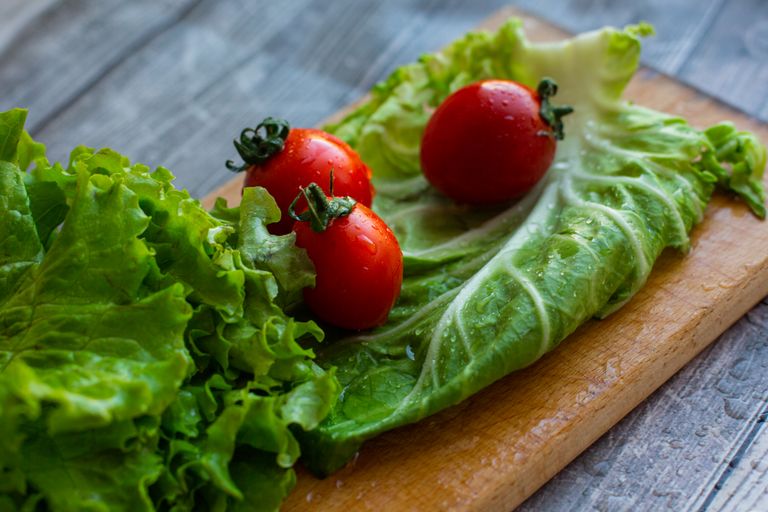
- 26% of participants who washed raw poultry transferred bacteria to their salad lettuce.
- 31% of participants who did not wash raw poultry still got bacteria from it onto their lettuce, which points to hands and surfaces as the other path.
Water splashing off a turkey can carry bacteria onto the sink, the counter and nearby dishes, and a quick rinse of the sink does not reliably clean it up. That is why the USDA calls not washing poultry “the best practice.”
6 Kitchen Rules for Handling the Raw Turkey
The USDA’s article lays out the steps that matter more than a rinse:
- Never wash or rinse raw poultry. If something needs to come off the surface, pat the spot with a damp paper towel, then wash hands.
- Prepare uncooked foods first. Make salads, relish trays and other foods that will not be cooked before handling the raw turkey.
- Clean, then sanitize. Any surface that touched raw poultry or its juices should be washed with hot, soapy water and then sanitized.
- Wash hands right away. Scrub with soap for 20 seconds immediately after handling raw meat or poultry.
- Cook to 165 degrees Fahrenheit. Poultry, whole or ground, is done at 165 degrees Fahrenheit as measured with a food thermometer.
- Know the other temperatures. The same USDA guidance lists 145 degrees Fahrenheit for beef, pork, lamb and veal steaks, roasts and chops, and 160 degrees Fahrenheit for ground meats.
Freeing up counter and oven space makes it easier to keep raw and ready-to-eat foods apart, and this comparison of countertop ovens and air fryers for Thanksgiving covers one approach. Families with their own turkey rituals will find a few familiar ones among these strange Thanksgiving traditions, and the holiday itself is one of many odd American traditions that confuse the rest of the world.
Cooks who still have questions on Thursday can reach the USDA Meat and Poultry Hotline on Thanksgiving Day, and anyone with a bird still in the freezer can follow the cold-water thawing method.

Why the Habit Hangs On
Turkey has long been the centerpiece of the American Thanksgiving dinner, and many cooks learned to rinse the bird from parents and grandparents, sometimes to remove juices from the package or bits left inside the cavity. The USDA’s research shows the rinse does not make the turkey safer, since proper cooking is what destroys bacteria, while the splashing spreads them around the kitchen.
The study’s most surprising number may be the 31% figure. Even cooks who skipped the rinse still moved bacteria from raw poultry onto their lettuce, which shows that hands, knives, cutting boards and faucet handles carry it too. A cook who unwraps the turkey, then grabs the refrigerator door or a head of lettuce without washing up, can spread it just as easily as a splash from the sink.
That is why the USDA pairs its no-rinse advice with handwashing and surface cleaning. The point is not only to skip one step but to keep the raw bird, its packaging and its juices in one area of the kitchen until everything it touched has been cleaned and sanitized. For a busy holiday kitchen with several cooks, assigning one person to handle the turkey can make that easier to manage.
A Cleaner Turkey Prep Plan
A simple order of operations keeps the raw turkey from crossing paths with everything else. Make the salad, cut the relish tray and set out the bread first. Clear a section of counter for the turkey, and keep a roll of paper towels and a trash bag close by for the packaging and giblet bag. Move the bird straight from the package to the roasting pan, then wash hands, clean and sanitize the counter and sink, and only then go back to the side dishes.
From there, the thermometer does the rest. When the innermost thigh, the innermost wing and the thickest part of the breast read 165 degrees Fahrenheit, the turkey is done, no rinse required. The same three checkpoints appear in FSIS guidance on stuffing and food safety, which adds the center of any stuffing as a fourth spot to check.
This article was produced with AI assistance and edited for accuracy against the sources linked above.
Image: GarlandFamily – CC BY-SA 4.0/Wikimedia Commons