A shopper drops a pack of ground beef, a bag of peppers, a pound of coffee and a box of chocolates into the cart and watches the register total climb faster than it did a year ago. It is not imagination. A few aisles are rising much faster than the grocery bill as a whole.
The U.S. Department of Agriculture’s Economic Research Service (ERS), in its Food Price Outlook updated Oct. 23, 2026, forecasts grocery prices overall up 2.3% this year, but 4 staples stand out well above that pace: beef, sugar and sweets, fresh vegetables and coffee. A household that can keep buying all 4 without wincing is ahead of 2026’s sharpest grocery increases.

The forecasts come from the ERS summary findings for October 2026, which fold in September 2026 Consumer Price Index data. ERS compares average prices across the full calendar year with the year before, so the figures describe the whole of 2026 rather than one week at the store. For households already trimming the list, it pairs well with items not worth buying at the grocery store.
1. Beef: Forecast Up 8.7% in 2026
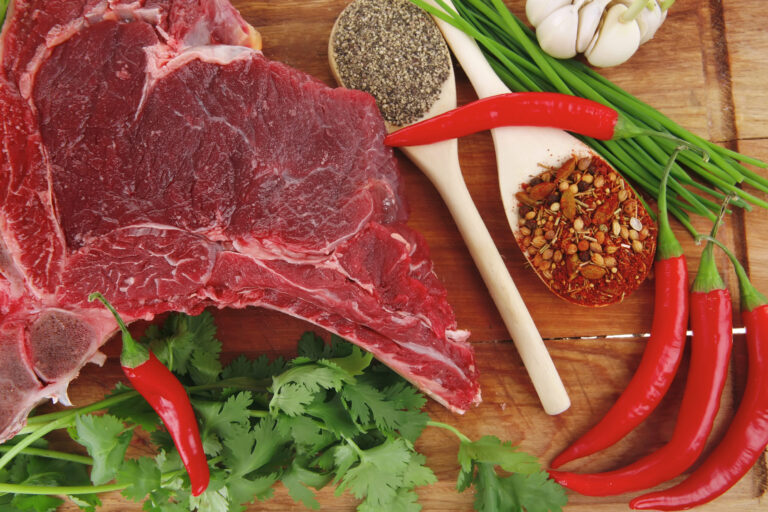
Beef is the headline item. ERS forecasts beef and veal prices to rise 8.7% in 2026, with a forecast range of 7.4% to 10.1%, the steepest rise among the categories detailed in the agency’s summary. That is more than three times the 2.3% expected for food at home overall.
The agency points to supply. According to ERS, federally inspected beef production has been lower in most months of 2026 than in the same months of 2025 and is expected to stay below year-ago levels through the end of the year. There was one small dip: beef and veal prices fell 1.3% from August to September 2026, but they were still 3.5% higher than in September 2025.
For cooks, that tends to show up in roasts, steaks and ground beef alike. Some households lean on frugal living tips such as buying larger packs on sale and freezing portions, which keeps the meal on the table even when the per-pound price climbs.
2. Sugar and Sweets: Forecast Up 6.5%
The baking aisle and the candy rack are next. ERS forecasts sugar and sweets prices to rise 6.5% in 2026, with a range of 5.9% to 7.0%. Prices in that category were 5.5% higher in September 2026 than a year earlier.
ERS says the increase has come mainly from candy and chewing gum, a part of the index that includes most types of chocolate candy. That matters heading into the holiday baking season, when chocolate chips, boxed chocolates and stocking-stuffer candy all land in the cart at once. Before the big shopping trip, a quick pass through fridge and freezer checks before the Thanksgiving grocery run can keep duplicate purchases off the list.

3. Fresh Vegetables: Forecast Up 5.8%
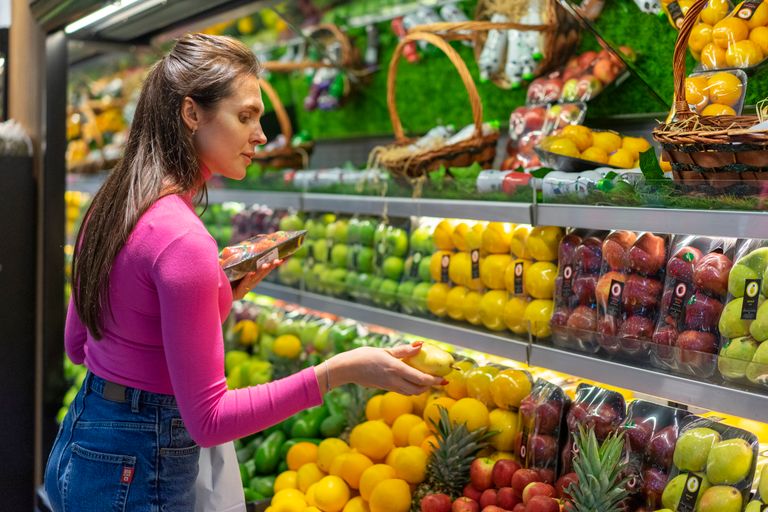
Produce is the third pressure point. ERS forecasts fresh vegetable prices to rise 5.8% in 2026, with a range of 4.8% to 6.8%. Retail fresh vegetable prices were 2.8% higher in September 2026 than in September 2025.
Behind the store shelf, the swing is larger. ERS reports that farm-level fresh vegetable prices jumped 37.3% from August to September 2026 and forecasts them up 21.2% for the year, noting that vegetable prices can move sharply with weather, production and the season. Because farm and wholesale prices tend to lead retail prices, the agency calls those producer numbers a useful signal of where grocery prices may head next. Some cooks stretch the harvest season by learning how to freeze fresh green beans and other vegetables while they are cheap.
4. Coffee: Up 7.1% From a Year Earlier
The morning pot rounds out the list. ERS does not break out a separate full-year coffee forecast, but it says retail coffee prices were 7.1% higher in September 2026 than in September 2025, rising faster than other nonalcoholic drinks. The broader nonalcoholic beverage category, which includes coffee, tea and soft drinks, is forecast to rise 4.4% in 2026.
For households that brew at home, the choice of machine can affect how much coffee goes down the drain; a comparison of single-cup and full-pot brewers lays out the tradeoff. Either way, coffee is one of the few staples that climbed faster than the grocery bill as a whole this fall.
Where Grocery Prices Are Easing, and What Comes Next
Not every aisle is heading up. ERS forecasts egg prices to fall 29.3% in 2026 as production recovers, and it expects dairy prices to slip 0.4% and fats and oils to decline as well. Pork (1.0%) and poultry (1.2%) are forecast to rise far more slowly than beef.
The Food Price Outlook overview page lists the next scheduled update for Nov. 24, 2026, two days before Thanksgiving. The agency’s documentation explains that ERS updates its annual forecasts every month using Bureau of Labor Statistics price indexes and reports each as a range, and a 2023 ERS article on refined forecasting methods describes the method change behind those ranges. For background on how grocery costs are tracked over time, the Wikipedia entry on food prices covers the basics.
For 2026 as a whole, ERS expects all food prices to rise 2.8%, with restaurant meals up 3.5%. Beef, sweets, fresh vegetables and coffee are the 4 grocery staples running well ahead of that pace.
This article was produced with AI assistance and edited for accuracy against the sources linked above.
Image: Nielsoncaetanosalmeron – CC BY 4.0/Wikimedia Commons