Grandma slips a second cookie onto a small plate before dinner. Grandpa says bedtime can wait just this once. To the grandparents, it is love. To the parents watching from the kitchen doorway, it can feel like a rule just got quietly overruled.
Therapists quoted by HuffPost UK say grandparents most often overstep in 7 areas: daily routine, discipline, food choices, recreational activities, toys, schooling and friendships. Therapist Tina Chummun says overstepping “occurs in pretty much every aspect of a child’s upbringing,” and what the grandkids eat, including favorite foods handed out at all hours, is one of the clearest flashpoints.

The 7 Areas Where Lines Get Crossed
The list comes from a HuffPost UK feature by parents editor Natasha Hinde on the most common ways grandparents overstep. Chummun runs through the full range: the daily routine, how children are disciplined, what they eat, what they do for fun, which toys come into the house, how school is handled, and even who the children’s friends are.
Her warning is simple. “When grandparents override parental authority, it can lead to frustration and resentment for parents, making them feel undermined in their role,” she said. The same feature notes that grandparents are a huge help, pointing to surveys showing that 57% of U.K. parents with kids under 13 rely on at least one grandparent for childcare. That help is exactly why the friction can sting, a theme that also runs through the things grandchildren need to hear from their grandparents.
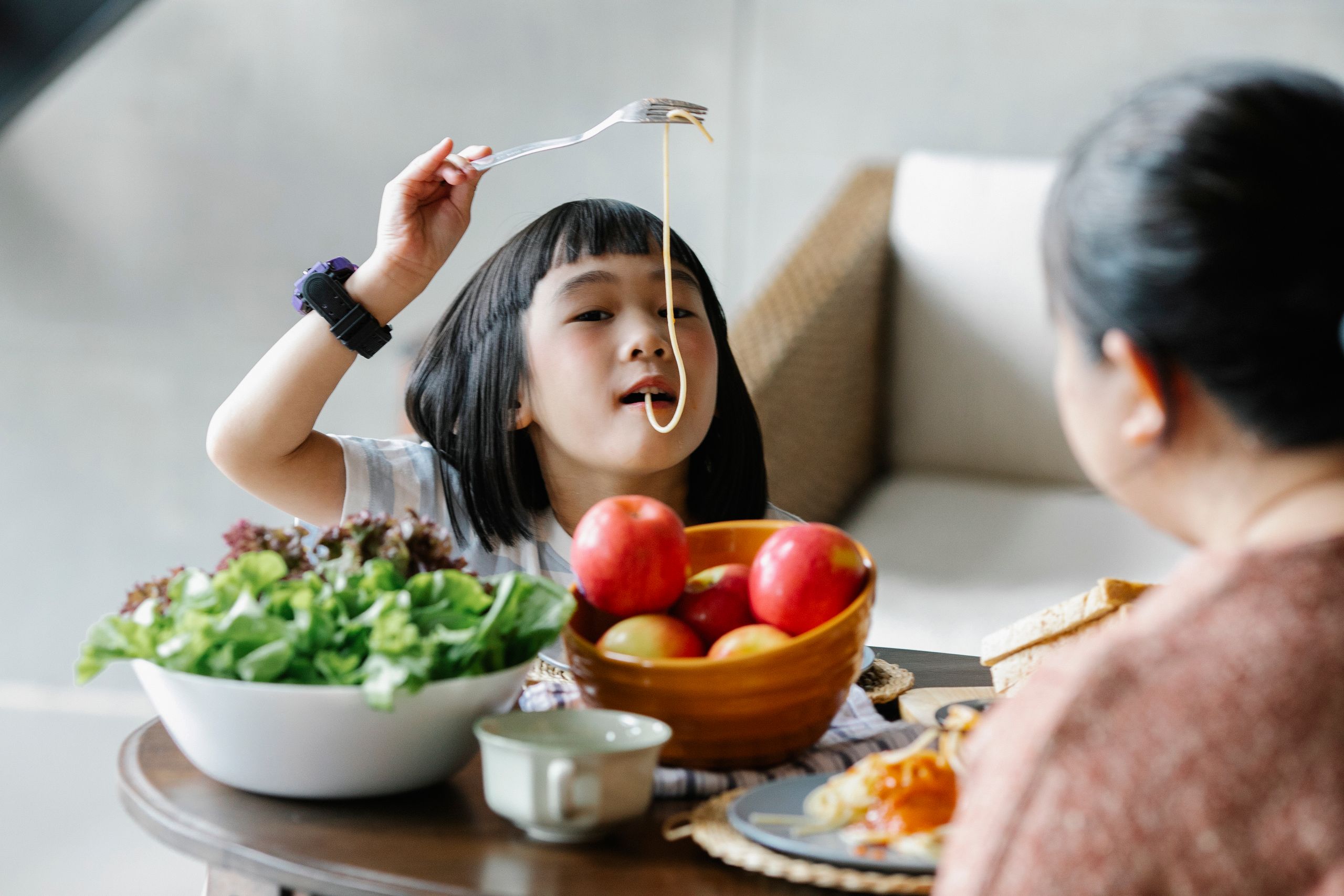
Food Choices: Love on a Plate
The food item is the one most families recognize. “Grandparents may believe they are showing love by giving children their favourite foods at all times, but quite forget that parents might have set mealtimes, in order to acclimatise the children into their family set up,” the therapist told HuffPost UK. “Parents might feel disempowered and resentful that their wishes are not recognised. Both parties might see themselves as ‘experts’ on the child.”
That clash often comes down to timing rather than the food itself. Plenty of grandparents grew up with a cookie jar that was always open and a pot of something on the stove, and the foods from the ’60s most boomers loved with a passion still turn up when the grandkids visit. The slang of the swinging ’60s may have faded, but the urge to feed a grandchild their favorite dish on demand has not.
For parents, the issue is the schedule they have built: a set dinner time, a no-snacks-before-supper rule, or a family habit of eating together at the table. A plate of sweets an hour before dinner can undo it, and holiday visits, when the cookie tins come out in force, are prime time for that tug-of-war. Many of the things grandparents do that make the holidays feel special involve food, which is exactly why a little planning helps.
Advice, ‘Showing’ and Old Habits
Another common form of overstepping, the feature says, is “showing” new parents how parenting should be done, or handing out advice that was never requested. The feature notes that this can come across as “unwittingly questioning a couples’ competence,” which might not go down well with a couple still finding its feet.
Psychotherapist Sandhya Bhattacharya, a member of Counselling Directory, describes two attitudes behind it. The first, she said, is a know-better attitude from grandparents who have done it all before, and the second is more subtle: “a sense of competition between the parents and grandparents.” Gentler approaches have changed how many parents think about rules at home, and gentle parenting is one example of a style that may look unfamiliar to a grandparent raised on stricter routines. Many grandparents, she added, may not realize the young parents are still learning how to be a family themselves.
How Therapists Suggest Handling It
The therapists’ advice starts at home. Bhattacharya says couples should first agree with each other on what they want for their family, because a split message confuses everyone. When it is time to talk, she recommends sticking to three points: what happened, why it is a problem and what would help in the future. The adult child should lead the conversation with their own parent, with their partner present.
Both therapists stress telling grandparents how much they are valued. “It’s important to affirm their place in the family while also making it clear that certain decisions ultimately rest with the parents,” Chummun said. Bhattacharya also warns that one talk may not be enough, since a new habit takes time to stick.
A follow-up HuffPost UK piece adds why speaking up early matters: if small moments are ignored, parents may respond only when it all “gets too much,” leading to “a heightened conversation where both parties are hurt,” as one of the therapists put it.
Making Holiday Visits Easier
With grandparents and grandkids sharing tables through Thanksgiving and Christmas dinner, the stakes rise. Family therapists quoted by AARP suggest scheduling one-on-one time with different family members and making space for quiet time, since doing every activity as a whole group is “a recipe for conflict.” AARP also advises parents of grown children to talk before the visit about plans, such as whether to have a big dinner.
A quick pre-visit talk about meals and snacks can save a lot of friction: when dinner is, whether dessert waits until after, and which family favorites Grandma is welcome to make. As the grandparent role keeps changing, the therapists’ message is that clear food rules and a little gratitude can keep the cookie jar a joy instead of a battleground.
This article was produced with AI assistance and edited for accuracy against the sources linked above.