Grandparents often set the tone at a family dinner, from who hosts the turkey to what lands on the grandchildren’s plates. This month’s advice columns show that their grown children notice every bit of it.
Letters to Dear Annie and Slate in November 2026, along with a Psychology Today essay on elders at the holiday table, point to 8 habits that come up again and again. Some cause friction, and some are the very reason families keep showing up.

Keeping Score Over the Turkey
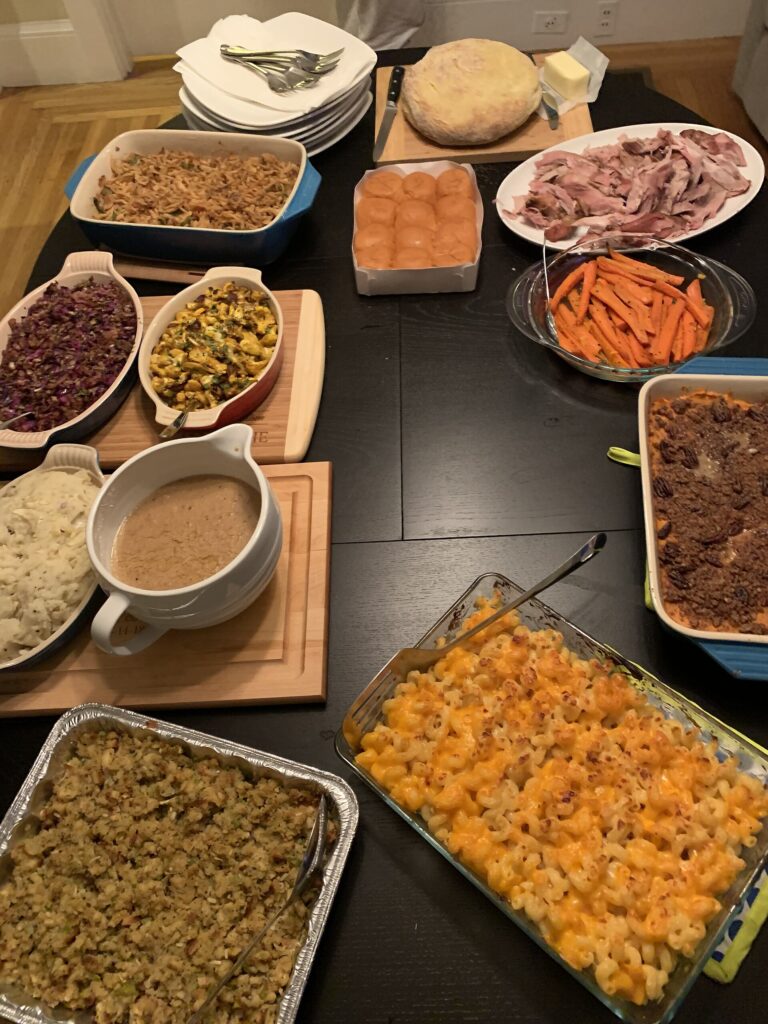
1. Turning Thanksgiving into a contest over whose house gets the family. In a Dear Annie letter signed “Torn Between Two Turkeys,” a mother of two children, ages 7 and 10, wrote that both sets of grandparents live about an hour away and both expect the family for Thanksgiving. Alternating years did not work, she said, because whichever side was not hosting felt cheated.
Her own mother, she wrote, starts asking about plans weeks ahead and drops hints about having a quiet Thanksgiving without the grandkids. Columnist Annie Lane’s answer was that the holiday is about being thankful for family, “not keeping score over who gets the turkey.” The tug-of-war is a common one, and it tops many lists of pre-Thanksgiving stressors for couples deciding whose home to visit.
2. Reminding everyone they will not be around forever. The same letter described the husband’s side. His mother insists Thanksgiving is the one holiday when the whole family gathers, and his father recently told him the grandparents would not be around forever. Grown children notice that kind of line, and in this case it fed an argument over whose family comes first. The pressure around one big, all-generations sit-down meal on the fourth Thursday of November, a date set by long-standing federal holiday tradition, is part of what makes Thanksgiving one of the odd American traditions that confuse the rest of the world.
Rules About What Goes on the Plate
3. Expecting every guest to eat exactly what the host serves. In a Slate parenting column published Nov. 18, 2026, a mother wrote that her 3-year-old is in a phase of eating only chicken nuggets and that her mother-in-law is “a stickler for people eating what their host serves.” The columnist suggested the husband give his mother a friendly heads-up before the holiday that the family will bring nuggets along.
4. Bringing back the clean-plate rules of an earlier era. Many of today’s parents grew up under stricter dinner rules, the same era captured in this look back at 1970s Thanksgiving family traditions. A mother of three told Dear Annie in a letter about picky eaters that she grew up in a house where children ate what was served and complaining was not an option. Lane’s reply was that family dinner is about being together, not cleaning every plate. Some old habits do deserve a comeback, as lists of boomer habits making a comeback show, but grown children tend to notice when the rules of their own childhood resurface at the grandkids’ seats.
5. Commenting on the grandchildren’s food, bedtimes and manners. A Psychology Today essay on finding a place at the family table as an elder, published Nov. 18, 2026, says one thing grandparents learn quickly is the importance of keeping their opinions to themselves, especially if they want to keep communication open with their adult children. It is a lesson that sits comfortably alongside other advice worth taking from boomers. A separate Dear Annie letter from a grandmother, published under the headline “Grandparents Missing the Ordinary Moments,” described how one comment about a grandchild’s bedtime led her daughter-in-law to say she felt judged, and the family grew more distant.

Who Sits Where, and Who Serves
6. Holding on to the host’s role long after the hosting has shifted. The Psychology Today essay frames the family table as a metaphor, asking who sets it, who is served first and who sits at the head. Over a lifetime, it says, people move from the children’s table to being the chef and server, and later, as elders, may be lucky enough to become guests at their children’s or chosen family’s tables. Grown children notice when a parent accepts that shift gracefully, and when one does not.
7. Waiting to be served, or quietly pitching in. The same essay notes that children may begin worrying about their parents rather than the other way around, and that it is important for elders to accept help while keeping their dignity. At a holiday dinner, that can look like a grandparent who lets the adult children run the kitchen while still carving the turkey or bringing a signature side.
The Habit Grown Children Treasure Most
8. Lighting up when the grandchildren arrive. Not every habit is a complaint. The “Torn” letter writer said her mother makes a huge dinner and loves having the grandchildren around, and that she knows how lucky her children are to have grandparents who want to spend time with them. The grandmother who wrote to Dear Annie about being shut out said what hurts most is missing the ordinary moments, like knowing what books her grandchildren are reading.
Lane’s advice across these letters lines up: be loving but firm about holiday plans, let go of scorekeeping, and reach out directly when a relationship feels strained.
As the Psychology Today essay puts it, holiday tables change, with new faces and sometimes empty chairs, and accepting that change leaves room for new traditions.
This article was produced with AI assistance and edited for accuracy against the sources linked above.
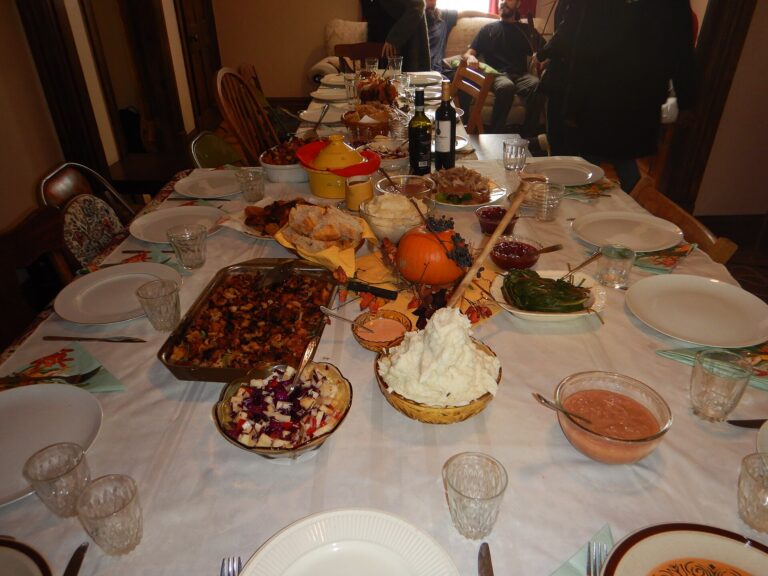
Image: Pink Sherbet Photography from USA – CC BY 2.0/Wikimedia Commons