The ordinary weeknight dinner may say more about a marriage than any anniversary trip. When psychologist John Gottman studied couples’ dinner-hour conversations, happily married partners reached out to each other about 100 times in just 10 minutes.
Couples who later divorced managed only about 65 in the same 10 minutes, according to a University of Georgia Extension guide to Gottman’s work. Those small reach-outs have a name in his research: bids for connection.

What a Bid for Connection Looks Like at the Table
The UGA Extension circular on bids for connection, written by professor and extension specialist Ted G. Futris and republished with a full review on Nov. 24, 2026, defines a bid as any expression that asks for a connection with another person. It lists 4 everyday forms:
A question, such as “How was the day?” A gesture, such as reaching out to hold hands. A facial expression, such as a smile. A touch, such as a hug.
At a dinner table, those bids are everywhere: a comment about the sauce, a story from work, a raised eyebrow at a teenager’s phone, a request to pass the bread. The Gottman Institute’s guide to turning toward, written by certified Gottman therapist Zach Brittle, says bids range from a smile or wink to more complex requests for advice or help, and that most carry a second layer of meaning underneath the words.
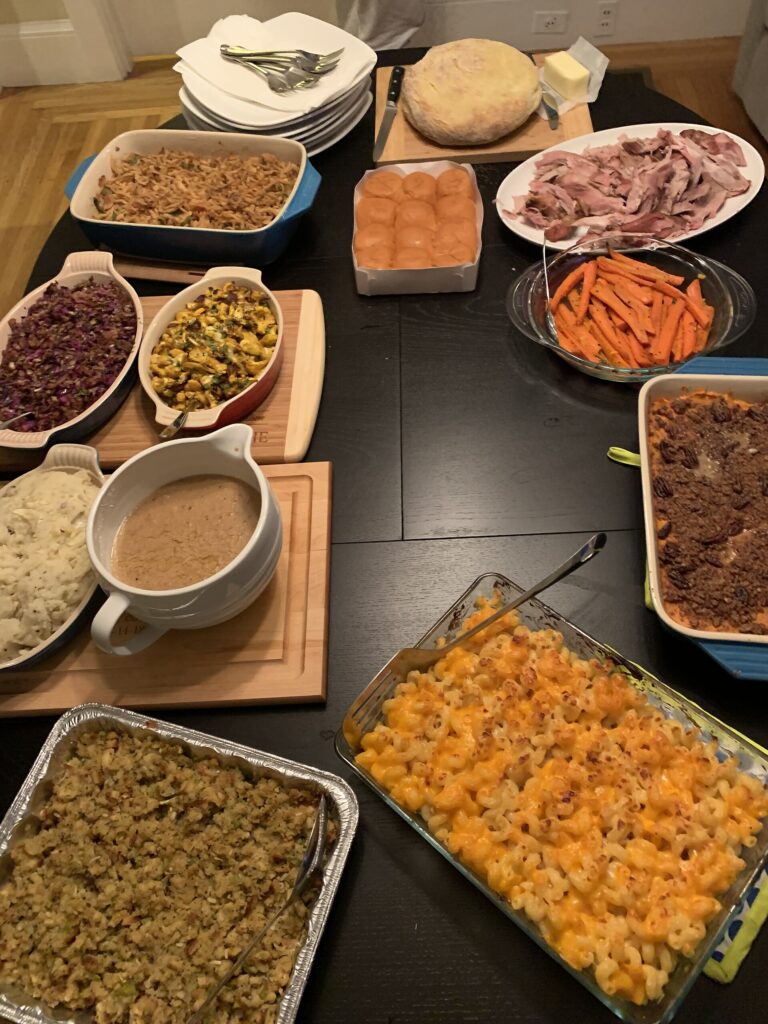
Dinner has its own rules in every culture, and Americans have a few customs, such as the giant holiday spread, that land on lists of odd American traditions that confuse the rest of the world. The bids happening across the table are more universal.
Phones are the modern bid-killer at many tables. Relationship columnists already warn about the things couples should never post on social media, and scrolling through a feed during dinner can mean missing the bids sitting right across the plate.
Small gestures add up the same way outside the kitchen. Couples who say they feel appreciated tend to share 4 everyday habits, and longtime husbands share their own unspoken rules of a successful marriage.
The 86% Finding Behind the Dinner Table Numbers
Gottman, a professor emeritus of psychology at the University of Washington, has spent decades studying what keeps couples together, according to his Wikipedia biography. He co-founded the Gottman Institute with his wife, psychologist Julie Schwartz Gottman, in 1996.
In one study described by the institute, Gottman followed newlyweds for six years. The couples who were still married at the six-year mark had turned toward each other’s bids 86% of the time. Couples who divorced had averaged only 33%.
The UGA circular explains that turning toward simply means acknowledging a partner’s bid and responding in a positive way. In its example, one spouse suggests going for a walk, and turning toward sounds like a happy yes followed by a question about where to go.
That pattern, the circular says, feeds what Gottman calls the couple’s “emotional bank account,” savings that help partners feel more confident handling conflict later. A separate roundup covers 6 positive moves stable couples make during disagreements, drawn from the same body of research.

Turning Away Can Sting More Than Saying No
Brittle’s guide describes 3 possible responses to a bid. Turning toward is the positive one. Turning against means rejecting the bid outright. Turning away means missing it entirely, such as staying glued to a screen while a partner tells a story over the pasta.
According to the institute, turning away can be even more damaging than turning against, because a rejected bid at least leaves room for more conversation and repair. A missed bid tends to lead to fewer bids over time, Brittle writes, or to bids made somewhere else.
The Gottman Institute’s article on the magic relationship ratio adds another number. In longitudinal studies that began in the 1970s, Gottman and Robert Levenson found that stable, happy couples had about 5 positive interactions for every negative one during conflict. The UGA circular cites the same ratio for marriages overall.
Simple Ways Couples Can Practice Over Dinner
The UGA circular suggests a short exercise: for a few days, both partners make extra bids and make a point of responding warmly to every bid the other makes. Afterward, they compare notes on what changed.
The dinner table is a natural place to try it. A few ideas drawn from the circular and the Gottman Institute’s guidance:
Ask an open question about the day and listen to the answer before reaching for a phone. Notice the subtext, such as a partner who mentions the long line at the grocery store and may really be asking for thanks. Answer small requests, such as tasting the soup, with interest rather than a shrug. Make bids, too; Brittle notes that in the strongest relationships, both partners are comfortable making all kinds of bids.
Brittle’s guide also offers a check-in question for couples: when it comes to turning toward, is the relationship closer to 33% or 86%?
The Gottman Institute frames all of this as everyday friendship work rather than grand romance. The University of Georgia circular points couples to more resources through the state’s extension offices.
For couples heading into a busy holiday season, that may be the easiest gift of all: a phone left in another room, a question asked over dinner and an answer actually heard.
The research does not promise that any single conversation will fix a marriage. What it does suggest, according to the circular, is that a steady habit of small, positive responses builds the kind of goodwill couples can draw on when harder conversations come along.
This article was produced with AI assistance and edited for accuracy against the sources linked above.