Cooking keeps plenty of older adults independent, and it is also where many home fires begin. Fire and burn experts say a handful of everyday stovetop habits are worth dropping after 65, especially for people who cook alone.
The list below draws on cooking guidance from the American Burn Association, the U.S. Consumer Product Safety Commission and the U.S. Fire Administration. Each of the 7 habits is an easy fix, and most cost nothing.

Why the Stovetop Gets Extra Attention After 65
The American Burn Association’s cooking sheet for older adults says cooking causes about 47% of all home fires. It adds that adults over 65 face greater danger from kitchen fires because changes in vision, hearing or movement can slow a quick reaction.
Connecticut’s state fire commission puts it in starker numbers: Americans over 65 are 2.6 times more likely than the general population to die in a fire, and cooking is the leading cause of fire injuries among older adults.
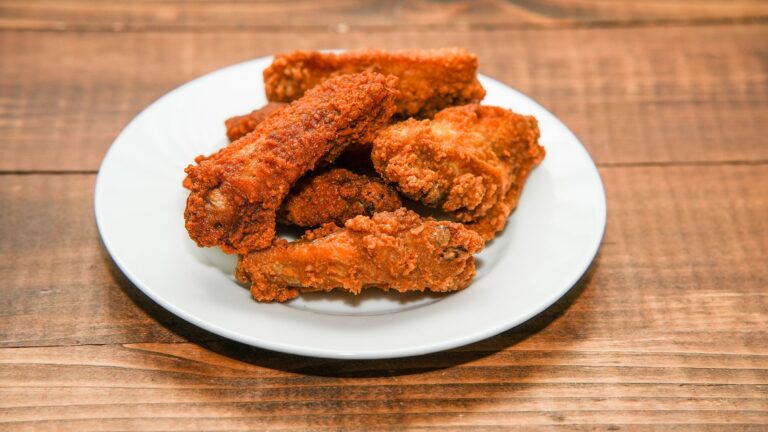
None of that means giving up a favorite skillet supper. Plenty of cooks who learned their way around a kitchen when the slang in this tour of 1960s words was brand new still turn out the best fried chicken on the block, along with the foods from the ’60s most boomers loved. The point is to drop a few habits that make a small flare-up harder to handle.
Older adults who have more free time after retirement often fill it with food. One retired Ohio condo manager is visiting every state fair in America at 78, and plenty of others spend it trying new recipes at home.
Habits 1 to 3: Walking Away, Loose Sleeves and Handles Sticking Out
1. Walking away from a frying pan. The U.S. Fire Administration says unattended equipment was the leading factor in nonconfined home cooking fires, at 37%. Its advice is short: stand by the pan, and turn the burner off before leaving the kitchen, even briefly. The burn association says to stay put while frying, grilling or broiling.
2. Cooking in loose or baggy sleeves. The CPSC’s Home Safe with Seniors checklist says older adults make up 16% of the population but account for 74% of clothing-fire deaths, largely from loose robes and similar clothing. Short or close-fitting sleeves are the simple swap.
3. Leaving pot handles pointing out. Handles turned toward the front are easy to bump. Both the burn association and the fire administration say to turn them toward the back of the stove, and the burn association suggests cooking on the back burners when possible.
Cast iron fans can keep their pans, too. Lodge has its own short list of cast iron habits to avoid, and a heavy skillet with its handle turned in is far harder to knock off a burner.
Fewer pans on the stove also makes holiday cooking calmer. Anyone freeing up burner space before a big meal may find this air fryer and toaster oven comparison useful, since a countertop appliance can take a side dish off the stovetop entirely.

Habits 4 and 5: Cooking While Drowsy and Letting Grease Build Up
4. Cooking while drowsy. The burn association says to cook when wide awake, and the Texas Department of Insurance’s fire tips for older adults say not to plan to cook after taking anything that causes drowsiness. A sandwich or a slow cooker meal set up earlier in the day is the easier choice on a tired evening.
5. Letting grease build up. The burn association recommends wiping down the stove, oven and exhaust fan regularly so built-up grease has nothing to feed. The same goes for oven mitts and dish towels hung too close to a burner.
Habits 6 and 7: Grabbing Water and Cooking Without a Lid or Timer
6. Throwing water on a pan fire or carrying a burning pot. The burn association is blunt: never use water on a kitchen fire, because it can spread the flames or cause scalding steam, and never move the pot. Instead, cover the pan with its lid or a cookie sheet, turn off the heat and leave it until it is completely cool. If a fire starts inside the oven or microwave, keep the door closed and turn the appliance off.
7. Cooking without a lid or timer close by. The burn association says to keep a pan lid and dry potholders within reach whenever the stove is on. Connecticut’s fire commission recommends a timer as a reminder that something is cooking, and the burn association says to double-check that every burner and appliance is off once the meal is done.
What to Do If the Fire Gets Bigger
The burn association says that if a kitchen fire gets out of control, everyone should get out, stay out and call 911, and no one should go back inside. The CPSC checklist adds two pieces of hardware every kitchen needs: a fire extinguisher and working smoke alarms, tested every month.
The Texas Department of Insurance notes that the National Fire Protection Association created its Steps to Safety program for older adults, and fire departments in many areas will help install or test smoke alarms when asked.
For family members, the holidays are a natural time to check. A quick look at the smoke alarm, the extinguisher and the stovetop before a big meal is a small gift for a parent or grandparent who still loves to cook.
This article was produced with AI assistance and edited for accuracy against the sources linked above.
Image: Lisafern – CC0/Wikimedia Commons