For decades, Americans have been told that 68°F is the perfect temperature to keep their homes comfortable in winter without spending a fortune on heating. But what if that familiar number isn’t necessarily the best choice for every household?
As winter approaches and heating bills climb, energy experts encourage homeowners to think differently about their thermostats.
Instead of keeping one temperature all day, experts recommend adjusting the heat based on whether you’re home, sleeping, or away.
The good news? You don’t have to spend the entire winter shivering under blankets to save money. A few smart changes could make your home more comfortable while helping you control your energy costs.
Why the Famous 68°F Rule Is Being Reconsidered
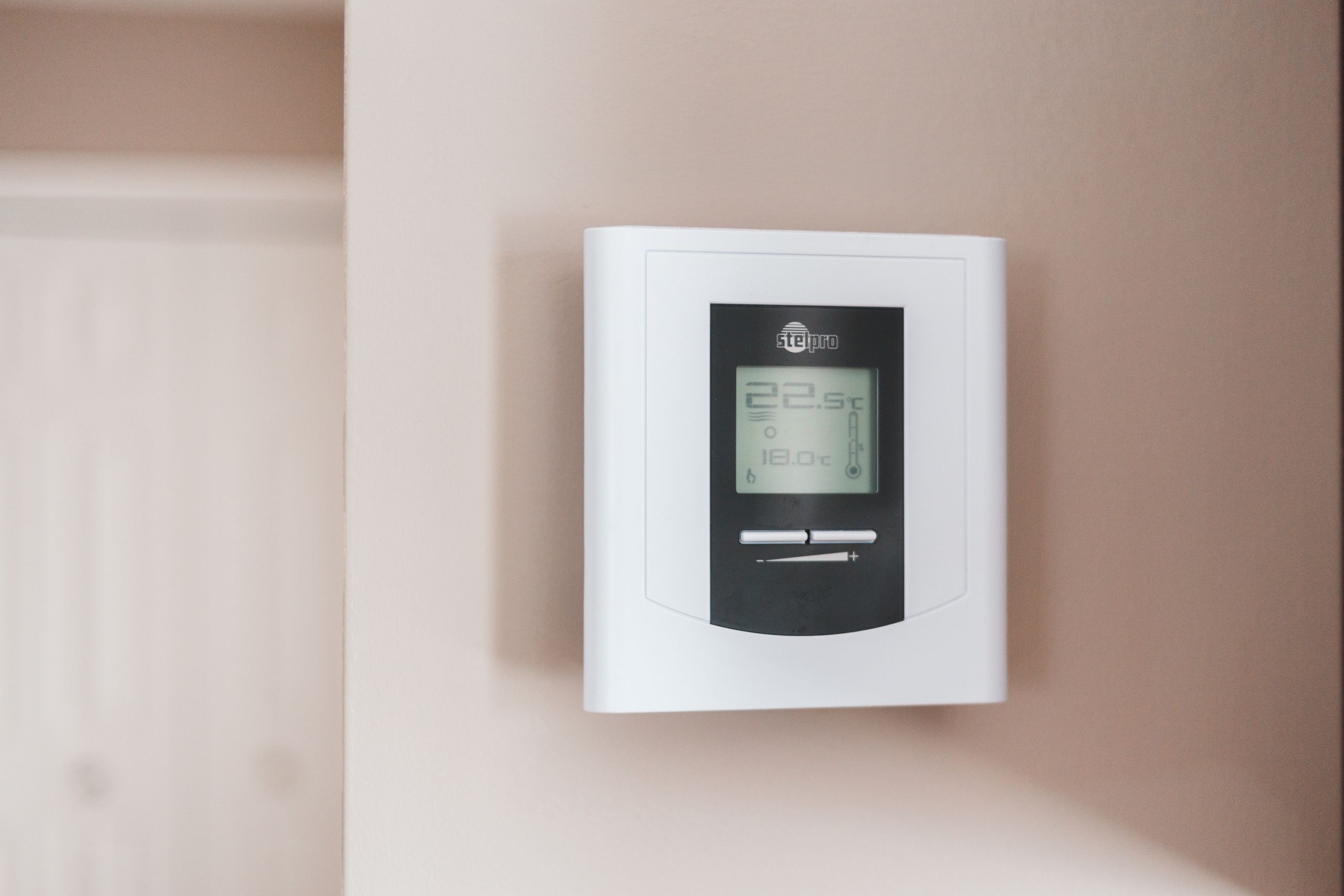
The 68°F recommendation isn’t exactly outdated, but it doesn’t tell the whole story.
According to the U.S. Department of Energy, homeowners can start with temperatures between 68°F and 70°F while they’re awake during winter.
However, that doesn’t mean everyone should maintain exactly 68°F around the clock.
Some people feel perfectly comfortable at 66°F, while others prefer their living spaces closer to 70°F.
The right setting depends on several factors, including your home’s insulation, local weather conditions, and personal comfort preferences.
A well-insulated house may feel warmer at 68°F than an older home with drafty windows and cold floors.
The takeaway? Instead of treating 68°F as a strict rule, consider it a starting point.
Experts Suggest 68°F to 70°F When You’re Home.
If you’re spending the day indoors, keeping your thermostat between 68°F and 70°F is a reasonable starting point.
This range generally balances comfort and energy efficiency.
However, your daily activities can influence how warm you feel.
Someone cooking, cleaning, or moving around the house may feel comfortable at a lower temperature than someone sitting at a computer for several hours.
If you’re working from home and constantly reaching for a blanket, raising the thermostat slightly might make sense.
On the other hand, if you’re comfortable wearing a sweater at 67°F, there’s no reason to increase the heat simply because someone recommends a higher number.
The secret is finding the lowest temperature that keeps everyone in your household reasonably comfortable.
Lowering the Heat at Night May Make a Bigger Difference
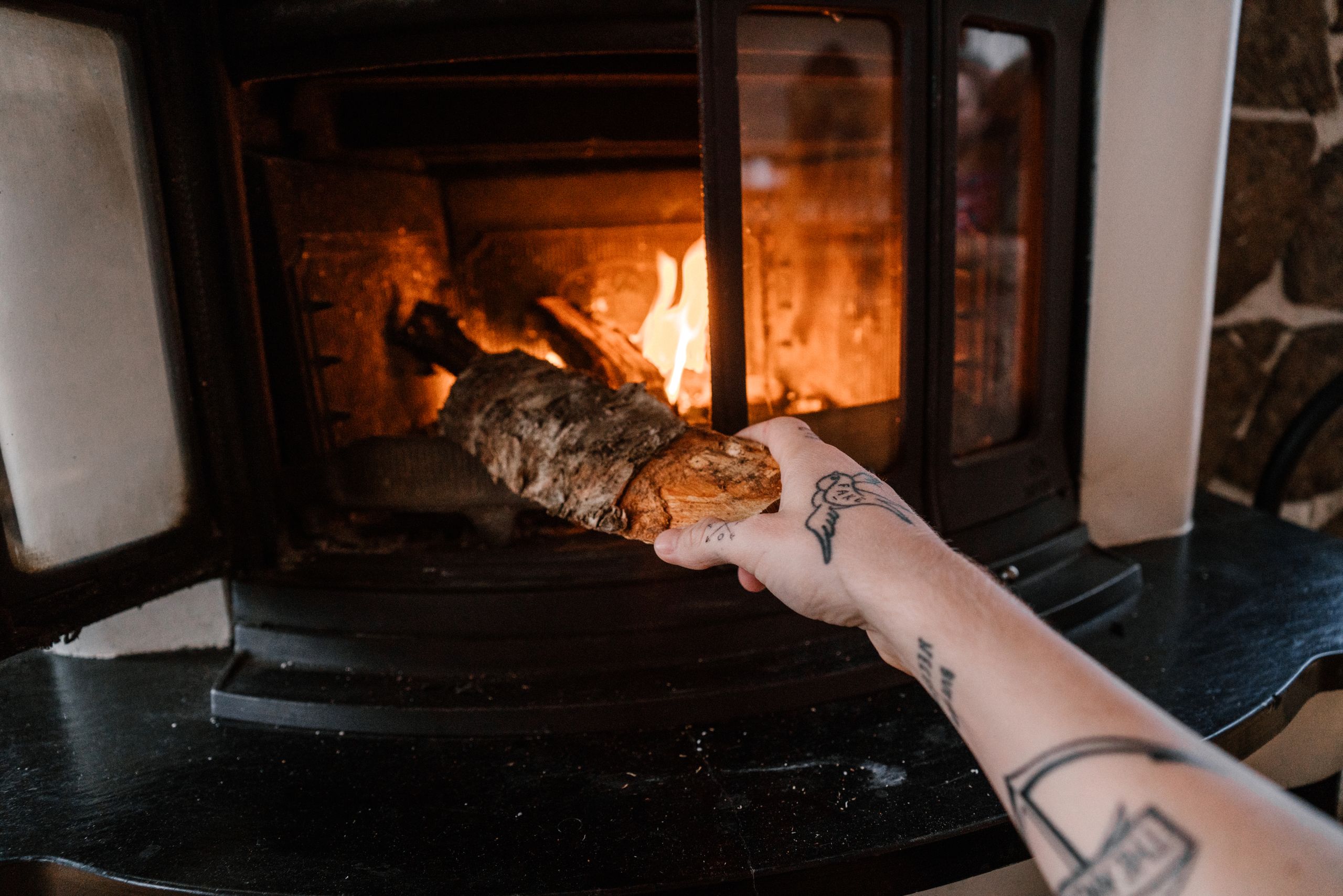
Here’s something many homeowners overlook: your house doesn’t necessarily need the same temperature while everyone is sleeping.
During the day, you might prefer 69°F or 70°F. But at night, blankets and bedding can let some households stay comfortable at lower temperatures.
A nighttime setting around 62°F to 66°F may work for some people, depending on the home and individual needs.
Lowering the thermostat reduces the difference between indoor and outdoor temperatures, which can slow heat loss.
Over an entire winter, this adjustment may help reduce heating costs.
However, extremely low indoor temperatures aren’t appropriate for every household. Older adults, infants, and people with particular temperature needs may require warmer conditions.
Comfort and household safety should always come first.
Stop Heating an Empty House Like Someone Is Home
Think about your typical weekday.
You leave for work in the morning, spend eight or nine hours away, and return in the evening.
During that time, your heating system may be working to maintain a comfortable temperature in a house nobody is using.
For homes with conventional heating systems, lowering the thermostat during extended absences can help reduce energy consumption.
The U.S. Department of Energy says homeowners can save as much as 10% annually on heating and cooling by adjusting their thermostats 7°F to 10°F from their normal settings for eight hours daily.
That doesn’t mean turning the heat off completely.
Homes in freezing climates still need enough warmth to protect plumbing and maintain safe indoor conditions.
Also consider your heating equipment. Some heat pump systems may operate less efficiently with large thermostat setbacks, particularly when backup heating activates.
Before making major adjustments, check your system’s recommendations.
Your Windows Could Be Making Your Thermostat Work Harder
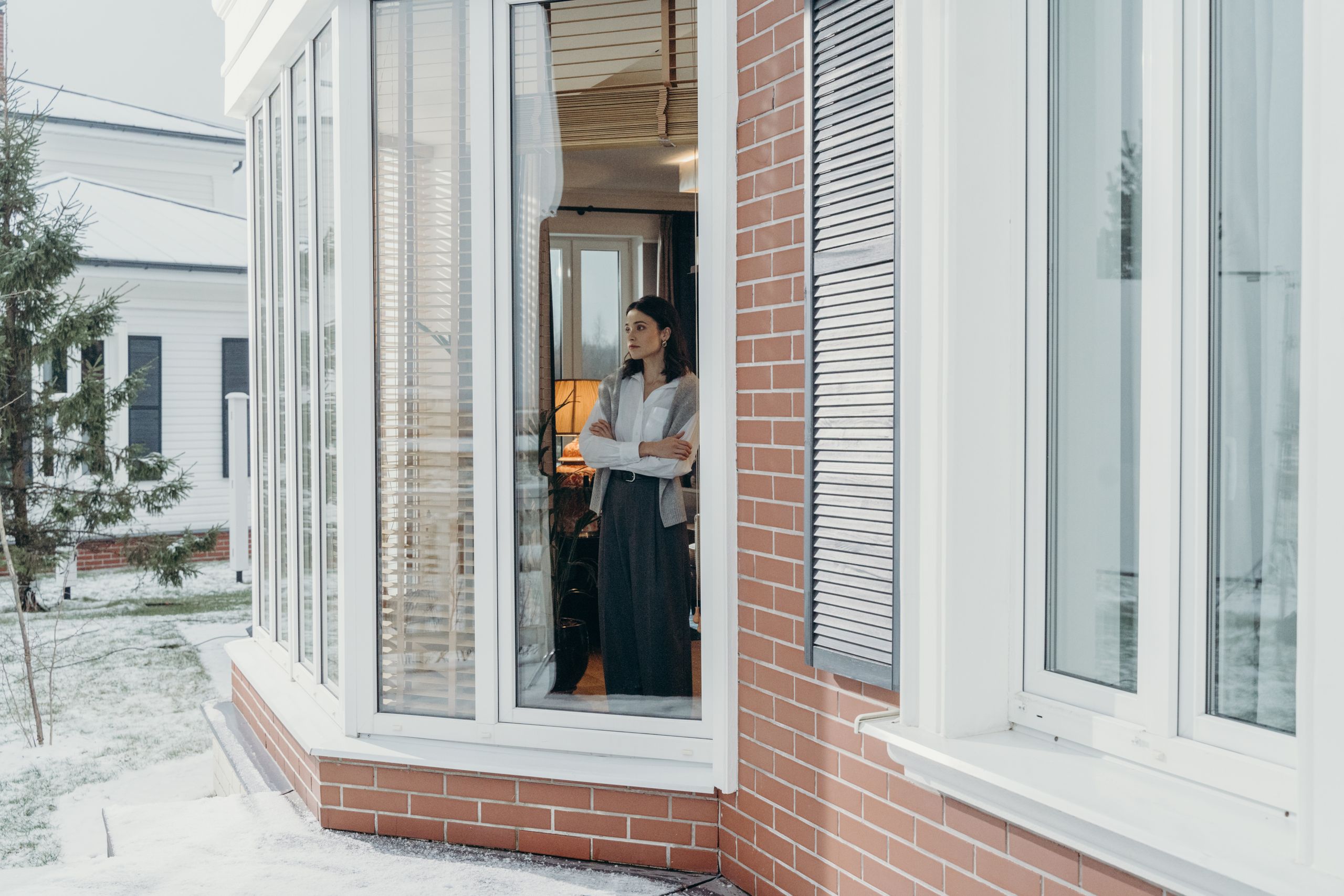
Ever notice how one room feels freezing while another feels perfectly comfortable?
Your thermostat might not be the problem.
Drafty windows, poorly sealed doors, and inadequate insulation can let warm air escape and cold air enter.
As a result, homeowners may turn up their thermostats without addressing the underlying issue.
Before increasing the heat, inspect windows and exterior doors for noticeable drafts.
Weatherstripping and caulking can help reduce unwanted air leaks.
Another simple trick is using sunlight to your advantage.
Open curtains on windows that receive direct sunlight during the day to let natural warmth in. Once the sun goes down, closing them can help reduce heat loss through the windows.
These small improvements may make your home feel more comfortable without changing the thermostat setting.
A Smart Thermostat Could Help You Save Without Thinking About It
Let’s face it. Not everyone remembers to lower the thermostat before leaving home.
Between getting children ready for school, preparing for work, and rushing through morning routines, heating adjustments can easily slip your mind.
That’s where programmable and smart thermostats come in.
These devices let homeowners set heating schedules that match their daily routines.
For example, the thermostat can maintain a comfortable temperature in the morning, reduce heating while the family is away, and return to a preferred setting before everyone gets home.
Some smart thermostats can also learn household patterns and automatically adjust temperatures.
ENERGY STAR-certified smart thermostats meet performance criteria designed to help households save energy.
Still, upgrading isn’t mandatory. A basic programmable thermostat or consistent manual adjustments can also help you manage heating costs.
Don’t Make the Mistake of Turning the Heat Up Too High
Here’s a common winter habit that could be costing homeowners money.
You walk into a chilly house, feel uncomfortable, and immediately crank the thermostat to 80°F, hoping the rooms will warm up faster.
Unfortunately, most conventional heating systems don’t work that way.
Setting the thermostat much higher than your desired temperature generally won’t warm the house faster.
Instead, the system may continue running until the indoor temperature reaches the unnecessarily high setting.
If your preferred temperature is 70°F, setting the thermostat to 80°F can cause overheating and waste energy.
A better approach is to set the temperature you actually want and let the heating system reach it.
The Best Winter Temperature Depends on Your Daily Routine
So, what temperature should Americans actually keep their homes this winter?
For many households, the answer isn’t one fixed number.
The U.S. Department of Energy recommends starting around 68°F to 70°F while you’re awake and lowering the temperature when you’re asleep or away, depending on your heating system.
If you spend most of the day at home, maintaining a comfortable daytime temperature may make sense.
If the house is empty for several hours, a lower setting could help reduce unnecessary heating.
And when bedtime arrives, some households may find they can lower the thermostat without sacrificing comfort.
The important thing is creating a routine that fits your lifestyle rather than blindly following a temperature recommendation.
Small Adjustments Could Make a Noticeable Difference This Winter
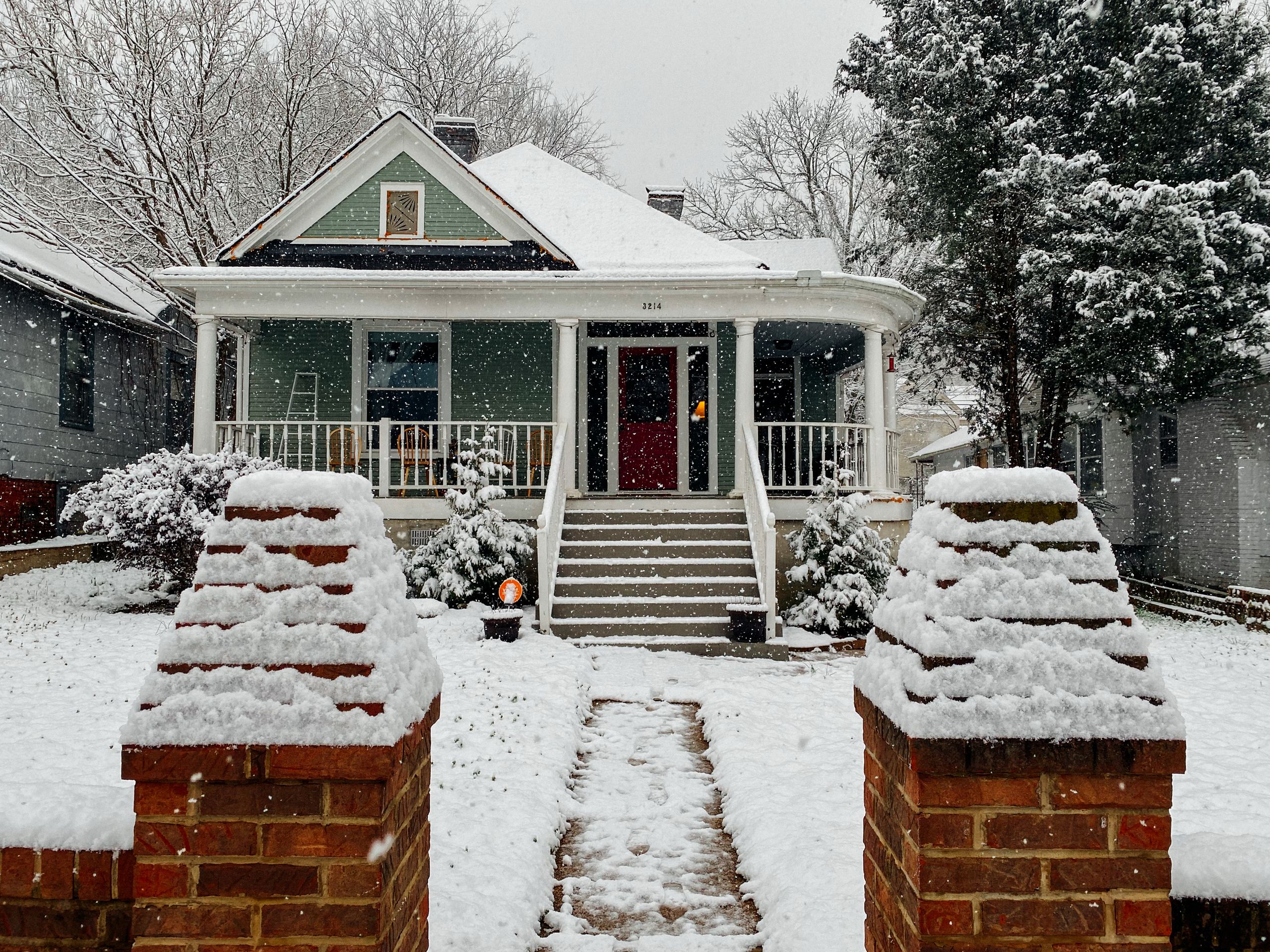
With winter heating expenses weighing on household budgets, even modest improvements in energy efficiency can be worthwhile.
You don’t need to replace your entire heating system or invest in expensive home renovations to begin making changes.
Start by checking for drafts, using curtains strategically, keeping heating vents clear, and experimenting with thermostat settings.
Pay attention to how comfortable your home feels and compare energy usage over time when possible.
Remember that outdoor temperatures and changes in energy rates can also affect your bills, so savings won’t necessarily appear immediately.
Most importantly, don’t sacrifice comfort or safety to reach a specific thermostat number.