When a winter storm knocks out power or a flood reaches the local water plant, the kitchen faucet suddenly becomes a question mark. Families fill pots, count bottles in the pantry and wonder whether the coffee maker can even be used.
The U.S. Food and Drug Administration has a simple answer for times when tap water may not be safe and bottled water runs out. Boil the water for 1 minute, or, if boiling is not possible, add 1/8 teaspoon, which is about 8 drops, of unscented household liquid bleach to each gallon, stir it well and let it stand for 30 minutes before drinking or cooking with it.

Bottled water first, then boil
The FDA’s guide to food and water safety during power outages and floods puts bottled water that has not been exposed to floodwater at the top of the list. When that is not available, boiling is the first fallback: bring the water to a boil for 1 minute, let it cool, and store it in clean, covered containers.
The Environmental Protection Agency’s emergency disinfection guide, updated February 24, 2026, describes the same step as a rolling boil for at least one minute, and it adds one detail for mountain towns: above 5,000 feet, boil for three minutes instead.
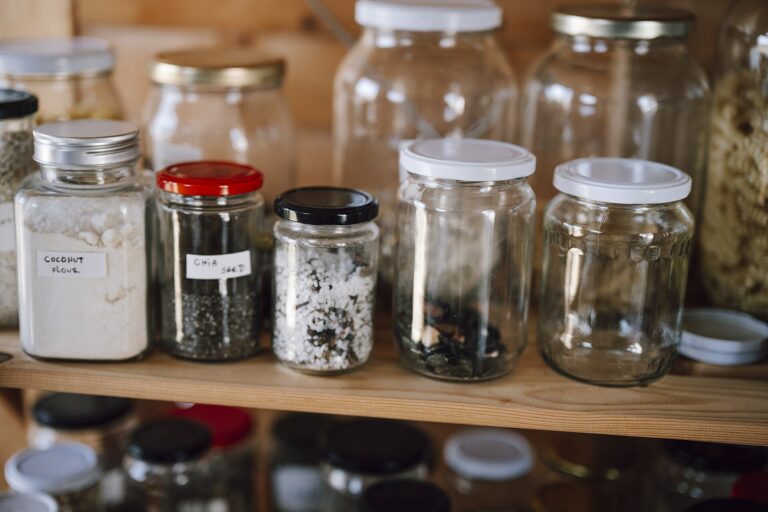
Boiled water that has cooled can go into clean pitchers, jars or jugs and straight into the fridge or a cool corner of the pantry. Keeping a few empty containers on hand is part of the same planning found in this guide to best practices for seasonal storage, and a shelf of water jugs fits neatly into these clever storage hacks for small spaces.
The 8-drop bleach rule
When the stove is out and there is no camp burner, bleach is the backup. The FDA calls for 1/8 teaspoon, or 8 drops, of unscented household liquid bleach at 5.25% concentration for each gallon of water. Stir it well and wait 30 minutes before using it.
Many bleach bottles sold today are stronger than 5.25%, so the EPA lists amounts by strength: 8 drops per gallon for 6% bleach, or 6 drops per gallon for 8.25% bleach. The label on the back of the jug shows the percentage. After 30 minutes, the EPA says the water should have a slight chlorine smell. If it does not, repeat the dose and let it stand another 15 minutes.
Not every bottle under the sink works. The EPA says not to use scented, color-safe or bleaches with added cleaners. Plain, unscented bleach is the only kind meant for this job. An emergency stash of supplies, along with a small cash cushion like the one described in this guide to saving for an emergency fund, makes a storm week much easier on a household.
Cloudy water and a better taste
Water that comes out cloudy or murky needs one more step first. The FDA says to filter it through clean cloths or let it settle and pour off the clear water before boiling or adding bleach. The EPA suggests a clean cloth, paper towel or coffee filter, and says to double the bleach amount for water that is cloudy, colored or very cold.
Boiled or bleach-disinfected water can taste flat or a little like a swimming pool. The EPA’s fix is simple: add a pinch of salt per quart or liter, or pour the water back and forth between two clean containers several times. If the chlorine taste is too strong, letting the water stand for a few hours helps.
Outage nights bring other kitchen hazards too. Flashlights are a better choice than open flames, a point made in this piece on December candle fires, and a cold fridge full of holiday food needs watching, as this rundown of Thanksgiving leftovers freezer and fridge times shows.

Dishes, pots and the food in the fridge
The same storm that affects the water can reach the dishes. The FDA says pots, pans, dishes and utensils that touched floodwater should be washed, rinsed and then sanitized, either by boiling them in clean water or soaking them for 15 minutes in a solution of 1 tablespoon of unscented bleach per gallon of water.
Food needs attention too. The FDA says an unopened refrigerator keeps food cold for about 4 hours, a full freezer holds its temperature for about 48 hours and a half-full freezer for about 24 hours. Perishable food that sat above 40 degrees Fahrenheit for 4 hours or more should be thrown out, and any food that may have touched floodwater should not be eaten. Ready.gov’s food guidance adds that 25 pounds of dry ice can keep a 10-cubic-foot freezer below freezing for 3 to 4 days.
The American Red Cross sums up the food rule on its flood safety page in five words: “When in doubt, throw it out!” It also tells families to check with local officials about whether tap water is safe after a flood.
When to use these rules
The boil and bleach steps are for emergencies, not everyday cooking. Many power outages never touch the water supply, and local water systems issue a boil-water advisory when they believe the supply may be affected. Those notices typically stay in place until the utility says the water is back to normal.
For a quick kitchen card, the numbers are short: boil for 1 minute, or 3 minutes above 5,000 feet; or add 8 drops of unscented 5.25% to 6% bleach per gallon and wait 30 minutes. Write it on an index card and tape it inside the pantry door before the next storm.
This article was produced with AI assistance and edited for accuracy against the sources linked above.
Image: MatthewHoobin – CC0/Wikimedia Commons