Send invitations at least a month ahead, make room for extra guests, serve the youngest and oldest guests first and thank everyone in a toast. Those are among the 8 Thanksgiving hosting rules in the Emily Post Institute’s tips for a happy Thanksgiving, listed here in order with the institute’s own details.
Thanksgiving falls on Thursday, November 26, so a host who is only now sending invitations is already inside the one-month window the first rule recommends. The Emily Post Institute’s newsletter post from November 14, 2024 carries the same eight host tips, which shows the advice has held steady from year to year.

1. Invite at Least a Month Ahead
The institute says to invite guests at least a month in advance, and earlier for people who are traveling. For out-of-town overnight guests, it advises agreeing on a start and end date, and it calls three days the usual length of a stay.
A clear end date is the part that keeps a long weekend pleasant for the host. A list of 15 simple etiquette tips for being the perfect houseguest covers the same ground from the guest’s side.
2. Make Room for Extra Guests
If a guest asks to bring someone who would otherwise be alone, the institute says to make room if possible and encourages hosts to fit in as many as possible. The rule views the holiday table as elastic, a theme that also runs through a list of 15 old-school etiquette rules that have disappeared. Extra guests can also stir up friction, and a short guide to 6 ways couples keep holiday disagreements from turning into big arguments shows one way to keep the peace.
3. Keep the Menu Plan Flexible
The institute tells hosts to expect Thanksgiving to be a potluck and to act as coordination central. It also says to accept offers to provide dishes for dietary needs, which lets a guest bring something safe to eat without the host rebuilding the menu.
Lizzie Post, co-president of the institute, made a related point to AARP in a November 6 piece for guests: bring what the host requested, and check how many servings are needed. A host who has named the dishes ahead of time spares everyone a crowded counter.
4. Review the Guest List With the Household
The fourth rule is to tell immediate family who is coming so they can set a welcoming tone. The institute’s example is a child who greets a great-aunt warmly, which is easier when the child knows she is on her way.
Anyone hosting for the first time in a while may also want to walk the house before the doors open, and a set of 5 home checks to finish before Thanksgiving guests arrive offers a practical start, and a comparison of Shark and Bissell vacuums for getting the house guest-ready covers the floors.

5. Hand Guests Simple Tasks
The institute says guests can help with greeting people, taking coats, lighting candles, setting the table, filling glasses, or pitching in with appetizers and in the kitchen. A small job gives a nervous guest something to do and takes work off the host.
The AARP piece adds a caution from Lizzie Post: offering help fits casual parties where the guest knows the host well, while at formal events tasks are best left to the host and the helpers. The host decides which kind of day it is, so the rule works best when the host asks.
6. Serve and Seat Children and Elders First
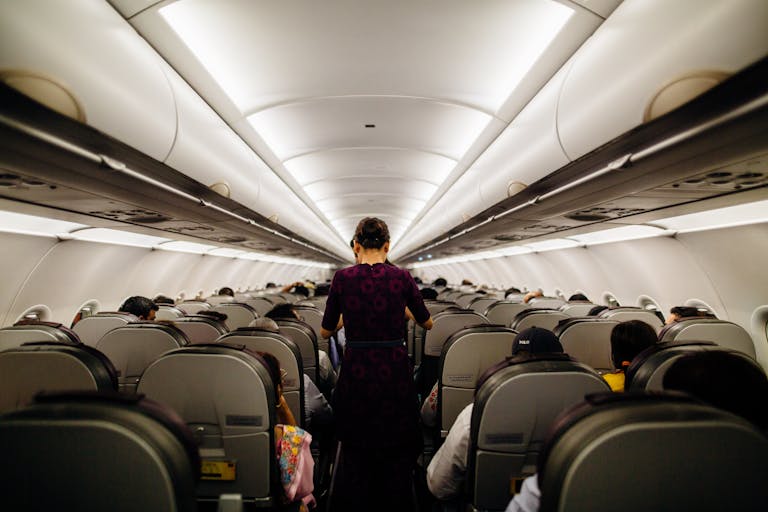
The sixth rule borrows from air travel. The institute writes that hosts should serve and seat young children and the elderly first, and the newsletter post phrases it as taking a tip from the airlines.
The practical logic is order at the table, since serving those two groups first spares them a long wait. Wikipedia’s overview of the Thanksgiving dinner notes that the meal is often served in the early or middle afternoon, with grace traditionally said before eating, so the seating plan is one of the first decisions of the day.
7. Know the Family Hold Back Signal
If a main dish runs short, the institute suggests a discreet signal called Family Hold Back, or FHB. It is a cue for close family to take smaller portions so every guest gets a full serving, and the institute describes it as an acronym to be whispered to immediate family only.
8. Thank Guests in a Toast and at the Door
The last rule is to thank everyone who helped plan, cook and clean up, and to thank all guests for coming. The institute recommends doing it in a toast and on the way out the door. Thanks from the host close the loop on a day that began with an invitation.
Thanks go both directions. According to the AARP piece, Lizzie Post recommends that guests send a handwritten note of thanks afterward, and she says texts and calls also work.
The Institute Behind the Advice
Wikipedia’s Emily Post entry says Emily Post was born around October 27, 1872, in Baltimore and died on September 25, 1960, in New York City. Her book on etiquette was published in 1922, and the Emily Post Institute was founded in 1946. The entry says the family still runs the institute, now in its fifth generation, and that it teaches etiquette based on consideration, respect and honesty.
The eight rules come down to planning early, making room, staying flexible, sharing the work, serving the youngest and oldest first, having a quiet signal for shortages and giving thanks. A host who covers those basics before November 26 has handled most of what the institute says makes the day go smoothly.
This article was produced with AI assistance and edited for accuracy against the sources linked above.
Image: Andre Carrotflower – CC BY-SA 4.0/Wikimedia Commons