Holiday baking can put 2 or 3 dozen eggs in a refrigerator at once, and where those cartons land matters more than many cooks think. Federal and extension food-safety guidance lists 5 storage habits to avoid, starting with parking the carton in the fridge door and washing shells before they go in.

The rules come from the U.S. Department of Agriculture’s Food Safety and Inspection Service, FoodSafety.gov and Clemson Cooperative Extension. Each one has a reason behind it, and a couple come with a clear exception.
Never-Do 1: Keeping the Carton in the Fridge Door
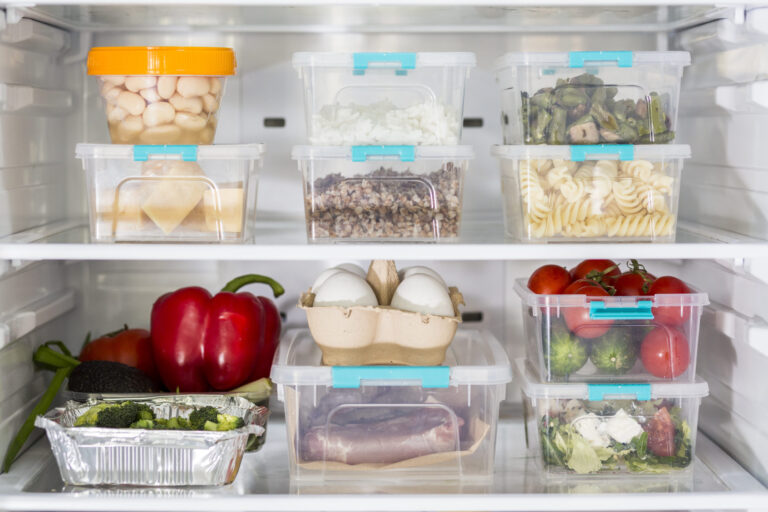
Many refrigerators come with a molded egg tray built into the door, but the guidance points the other way. The USDA’s shell eggs from farm to table page, last updated Nov. 20, 2024, says to keep eggs in their carton and place them in the coldest part of the refrigerator, not in the door. The same page says to store them at 40°F or below.
The door is the warmest spot in the fridge because it swings open to room air every time someone grabs milk or butter. During the holidays, when the door opens dozens of times a day, those swings add up. A middle or lower shelf toward the back stays steadier. Freeing up that shelf space is easier with a few of the most clever storage hacks to maximize every inch of space. Overflow cartons should not end up in a cold garage either, a spot covered in this list of 6 things never to leave in an unheated garage once freezing weather arrives.
Never-Do 2: Moving Eggs Out of the Grocery Carton
Clemson Cooperative Extension’s safe handling of eggs fact sheet, updated May 16, 2025, says to store eggs in the grocery carton in the coldest part of the refrigerator. Decorative egg holders and open bowls may look nice, but the carton shields the shells and keeps them from picking up odors from other foods. It also keeps the pack date and the “use by” or “sell by” date with the eggs. Eggs that are used before those dates also go further for the grocery budget, one of many small ways to save money fast.
The same reasoning applies outside the fridge. Eggs piled in a basket on the counter make a pretty picture, and kitchen designers have their own views on what belongs out in the open, as in this list of 6 things that shouldn’t be displayed on open kitchen shelves. For store-bought eggs, the safe place is the refrigerator.

Never-Do 3: Washing Shells Before Storing
Rinsing eggs before putting them away can feel like good housekeeping, but Clemson’s fact sheet says plainly: do not wash eggs. It explains that washing could remove the protective mineral oil coating put on at the plant. The USDA page agrees that it is not necessary or recommended for consumers to wash eggs.
The exception is at the processing plant, not at home. Federal rules require egg processors to carefully wash and sanitize USDA-graded eggs before they are packed, which is why store eggs already arrive clean. The USDA page adds a related warning: a cold egg left out at room temperature can “sweat,” and that moisture helps bacteria move into the egg. Anyone stocking up while prices are reasonable can find more ways to stretch the grocery budget in this rundown of 12 things that are actually getting cheaper.
Never-Do 4: Leaving Eggs Out More Than 2 Hours
Holiday baking often means a carton sits on the counter while a recipe comes together. The USDA says refrigerated eggs should not be left out more than 2 hours, and Clemson gives the same limit. Hard-cooked eggs follow a similar rule: Clemson says to refrigerate them within 2 hours of cooking and use them within a week.
Heat shortens that window. The USDA’s leftovers and food safety guidance drops the limit for perishable food to 1 hour when the temperature is above 90°F, a rule that matters in a hot kitchen or at an outdoor event. A practical habit is to take out only the eggs a recipe needs and put the carton straight back.
Never-Do 5: Freezing Eggs in Their Shells
The FoodSafety.gov cold food storage chart lists raw eggs in the shell at 3 to 5 weeks in the refrigerator and gives a firm freezer rule: do not freeze in shell. Instead, the chart says to beat the yolks and whites together, then freeze. Clemson’s fact sheet also says eggs should not be frozen in their shells.
There is one exception for accidents. The chart covers a raw egg that freezes in its shell by mistake, such as a carton left in a car on a freezing day. It says to keep the egg frozen, then thaw it in the refrigerator and use it immediately after thawing. Any frozen egg with a broken shell should be thrown out.
One More Rule at the Store
The storage chain starts before the eggs get home. The USDA says to always buy eggs from a refrigerated case, and Clemson says not to purchase eggs anywhere that they are not refrigerated. Both say to take eggs straight home and refrigerate them right away.
Eggs have been a kitchen staple for thousands of years, as the history of eggs as food shows, and the basics of keeping them have changed little: cold, covered and used on time. A carton kept on a back shelf at 40°F or below, unwashed and in its original box, should last 3 to 5 weeks, which carries most households from Thanksgiving baking through the Christmas cookie rush.
This article was produced with AI assistance and edited for accuracy against the sources linked above.
Image: Krzysztof Golik – CC BY-SA 4.0/Wikimedia Commons