After a full workday, she planned the menu, did the shopping and spent the evening at the stove. Then three small food critics sat down, took one look at the plate and started filing complaints.
That is the scene a mother of 3 described to Dear Annie in a column that ran November 22, 2026, in the Anchorage Daily News. Her children, ages 6, 9 and 12, rejected a roast chicken dinner with 3 different complaints in one night, and she wrote that she has started to dread the one meal of the day the family shares.

Too dry, weird potatoes and a request for pizza
In the letter, which Creators syndicated as “Struggling to Stay Patient With Picky Eaters” and the Anchorage Daily News also published, the mother lays out a routine many parents will recognize. Every night she tries to cook a homemade meal, and every night at least one child announces a refusal before taking a bite.
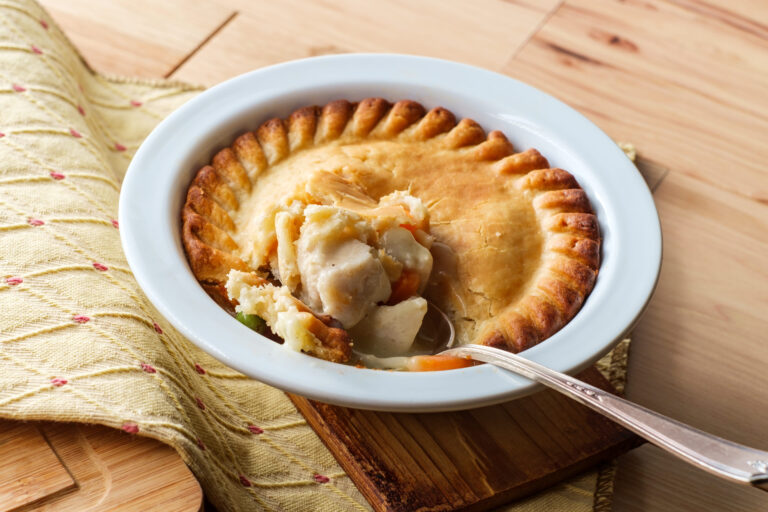
Each child has a pattern, she wrote. The youngest seems to live on chicken nuggets and plain pasta. The middle child will not eat anything green. The oldest has suddenly turned against foods she ate happily for years. The breaking point came with a roast chicken served with potatoes and vegetables. One child said the chicken was too dry, another said the potatoes looked weird, and the third asked whether the family could just order pizza.
She wrote that she nearly cried, not over the chicken but over the feeling that nobody appreciates the work of feeding the family. Roast chicken is about as classic as a weeknight dinner gets, a dish with a long history covered in Wikipedia’s roast chicken entry, which made the rejection sting all the more.
A husband who says to let them eat cereal
The second layer of the problem sits across the table. Her husband, she wrote, thinks she is making too big a deal of it and suggests the children simply eat cereal if they do not like dinner. Cereal as a backup dinner is hardly a new idea in American kitchens, as the history of breakfast cereal as a quick, no-cook staple shows, but she does not want it to become the house policy.
She wrote that she does not want “to run a restaurant where everyone orders something different.” She also does not want every evening to turn into a fight. She has tried bribing, negotiating and insisting on three bites, and none of it has worked; the harder she pushes, the more the children resist.
Disagreements over who handles what in the kitchen are common in households, a theme in a craftingyourhome.com look at how couples split planning, cooking and cleaning at Thanksgiving. In this case, the parents are not split on the work so much as on the rules.
A mother raised to eat what was served
Part of her frustration comes from her own childhood. She grew up in a home where everyone ate what was put in front of them and complaining was not an option, she wrote. She does not want to be overly strict, but she does not think it is unreasonable to expect her children to eat a meal she has worked hard on. Table manners were stricter then too, as a frenzhub.com list of old-school etiquette rules that have disappeared recalls, and keeping the peace at a shared table is the focus of a craftingyourhome.com piece on habits that keep the peace at family dinners.
That clean-plate approach was common for earlier generations, and plenty of grandparents still remember dinners where there was one menu and no substitutions. The era’s slang and habits come back to life in the frenzhub.com list of slang words from the swinging ’60s, and a companion piece rounds up pieces of advice to take from boomers, some of which apply neatly at the dinner table.
She ended her letter by asking whether she is expecting too much, and whether she should give up the battle or find a way to make her children less picky and more appreciative without turning dinner into what she called “World War III.”

What Annie told her
Annie Lane, whose Dear Annie column runs in newspapers across the country, opened with sympathy, telling the reader to give herself a break after a long day facing “three little food critics.” Picky eating is part of raising children, Annie wrote, but dinner should not feel like a nightly battle.
Her suggestions were practical. Let the children help plan meals or cook alongside her, since kids are often more willing to eat something they helped make. Serve one meal, with at least one item on the table that everyone likes. The children do not have to eat everything, but they do have to be polite, and Annie drew a clear line between politely declining a dish and insulting the cook.
She also offered a reminder about the point of the meal. Family dinner is about being together, not about clean plates, and someday the children may appreciate all those dinners. She signed off with a joke: the restaurant business is even tougher, so the mother should not quit her day job.
Why the letter struck a chord
Annie Lane’s column biography names Ann Landers as her biggest inspiration, and Landers’ long-running column is chronicled in Wikipedia’s Ann Landers entry. This exchange has that same kitchen-table feel. The letter touches the everyday tension of the family dinner: one cook, several eaters and a lot of opinions.
Annie’s answer splits the difference between the two parents. The mother keeps one menu and expects good manners. The husband’s relaxed attitude gets some credit too, since not every dish has to be finished. With the holidays here and big shared meals on the calendar, the advice to plan together, cook together and keep the complaints polite fits far more tables than just this one.
This article was produced with AI assistance and edited for accuracy against the sources linked above.
Image: HaJunkiyada – CC BY-SA 4.0/Wikimedia Commons