Plenty of kitchens have a loaf of sandwich bread sitting on a refrigerator shelf, put there to make it last. A few days later, the slices bend like cardboard and crumble at the edges, while the loaf left out on the counter at a neighbor’s house still feels soft.
That isn’t bad luck. Bread goes stale fastest at temperatures just above freezing, which is exactly the range a refrigerator holds, because cold speeds up the way starch molecules in the crumb line back up and recrystallize. Staling is mostly a change in the starch itself, not simple drying out.
Fresh Bread Starts With Swollen Starch
Baking changes flour’s starch in a big way. The Wikipedia entry on starch gelatinization explains that heat and water break down the bonds holding starch molecules together, letting the granules swell and take on water. That swollen, water-holding starch is a big part of why a fresh slice feels soft and springy.
The two starch molecules involved are amylose, a mostly straight chain, and amylopectin, a branched one. In the oven, both loosen out of their tidy, crystal-like arrangement. The trouble begins as the loaf cools and sits.
Anyone keeping bread in the cold should know that a popular list of essential items to store in the refrigerator still puts bread on the shelf for toast and sandwiches. The starch science explains why the freezer, not the fridge, is the better cold spot for a loaf.
Staling Is Starch Lining Back Up
According to the Wikipedia article on staling, going stale is both a chemical and a physical process and is not simply a matter of drying out through evaporation. Moisture migrates out of the starch granules into the spaces around them, and the amylose and amylopectin molecules realign and recrystallize. That realignment is what gives stale bread its hard, leathery texture.
Food scientists call that realignment retrogradation. The Wikipedia entry on retrogradation describes it as the amylose and amylopectin chains in cooked starch realigning as the starch cools, and it notes that the process is directly related to the staling of bread. Amylopectin is responsible for the long-term crystal structure, which is why a loaf keeps getting firmer over several days.
Because staling is about the starch rearranging rather than water escaping, bread will go stale even in a moist environment. Wrapping a loaf tightly slows drying, but it doesn’t stop the starch from lining back up. Home cooks who swear by clever kitchen tricks often learn this the hard way with a sealed bag of rolls.
Why the Refrigerator Makes It Worse
Here is the part that surprises people. Bread stales most rapidly at temperatures just above freezing, and bread stored in a refrigerator stales faster, contrary to popular belief, according to the Wikipedia staling article. The cold, but not frozen, temperature is close to ideal for those starch molecules to settle back into crystals.
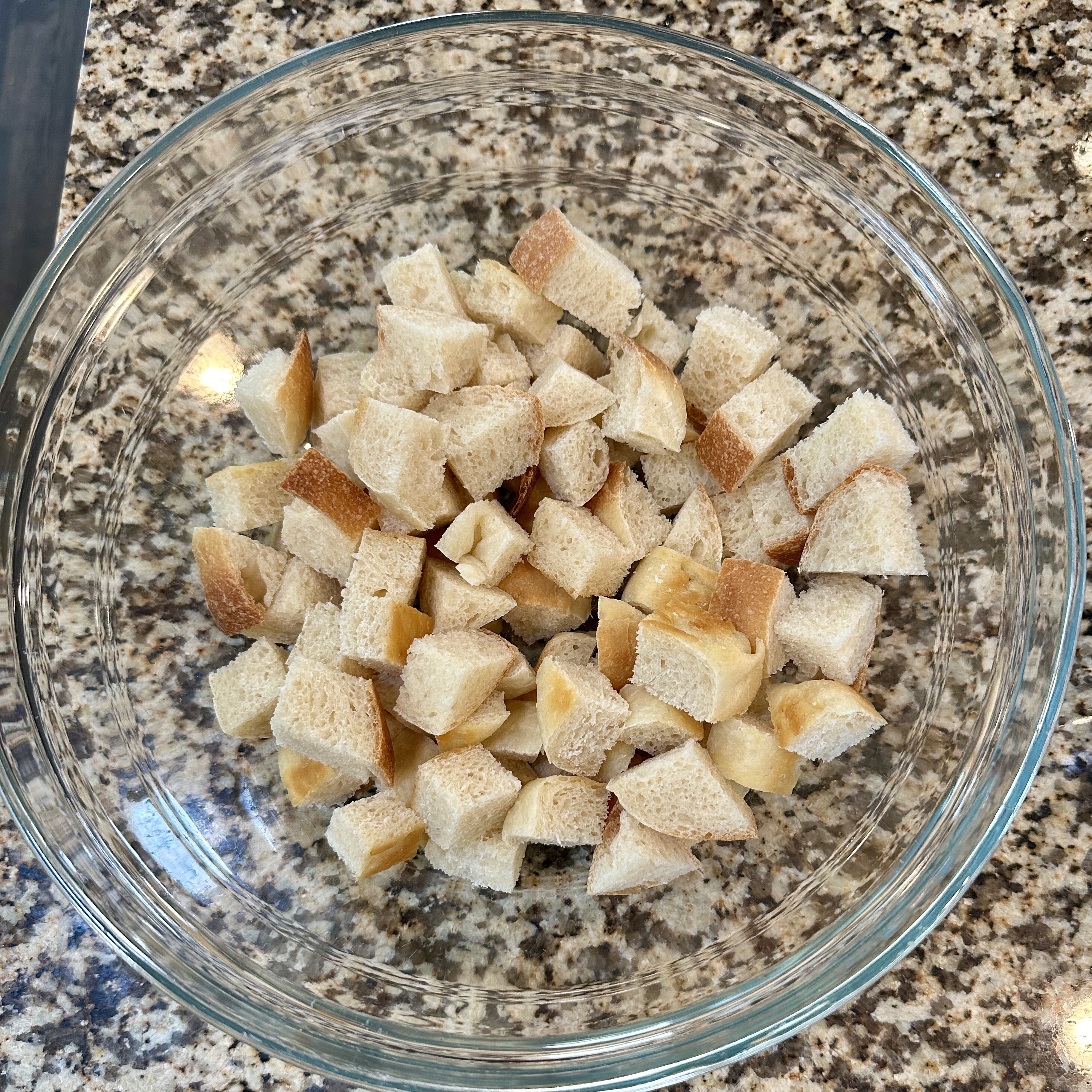
Freezing is a different story. Bread that is frozen while still fresh can be thawed with acceptable results. That’s worth remembering during a fridge and freezer check before the Thanksgiving grocery run, when dinner rolls and sandwich loaves pile up. Some of that bread is destined for stuffing, a dish that sits among the odd American traditions that confuse the rest of the world, and plenty of cooks set the cubes out to dry a day ahead.
Counter space matters too. Bread on the counter keeps its texture longer than bread in the fridge, which is one reason it rarely shows up on lists of things that don’t belong on a kitchen counter. That makes the counter the everyday spot for a loaf that will be finished within a few days, with the freezer as backup for the rest.

Refrigeration does have one job it handles well: it slows mold growth, the Wikipedia article notes, and staling on its own doesn’t make bread unsafe to eat, though mold can. Storage charts reflect that tradeoff. A University of Illinois Extension leftovers chart lists bread at 5 days in the refrigerator and up to 3 months in the freezer.
A Warm Oven Can Bring Some Softness Back
Because staling is a rearrangement rather than lost moisture, it can be partly reversed. The Wikipedia staling article says stale bread can be partially refreshed by heating it to 60°C (140°F) in a conventional oven or microwave. The warmth loosens the crystallized starch enough to soften the crumb, which is why a quick trip through the oven revives a day-old baguette.
Commercial bakers fight the process from the start. Anti-staling ingredients in modern bread include wheat gluten, enzymes, and monoglycerides and diglycerides, per Wikipedia, which are there to keep packaged loaves soft on the shelf.
Stale Bread Has a Long Culinary Résumé
Cooks have long counted a hard loaf as an ingredient rather than a loss. The history of French toast shows up in its French name, pain perdu, or “lost bread,” a nod to the stale slices it rescues. The story of bread pudding traces it to 11th-century English cooks who repurposed leftover stale bread.
Croutons, Italian ribollita, Spanish migas and traditional gazpacho all lean on day-old bread, as does a pan of Thanksgiving stuffing. So the best spot for a loaf is the counter for the next few days, the freezer for anything longer, and the refrigerator only when mold is the bigger worry.
This article was produced with AI assistance and edited for accuracy against the sources linked above.
Image: How can I recycle this – CC BY 2.0/Wikimedia Commons