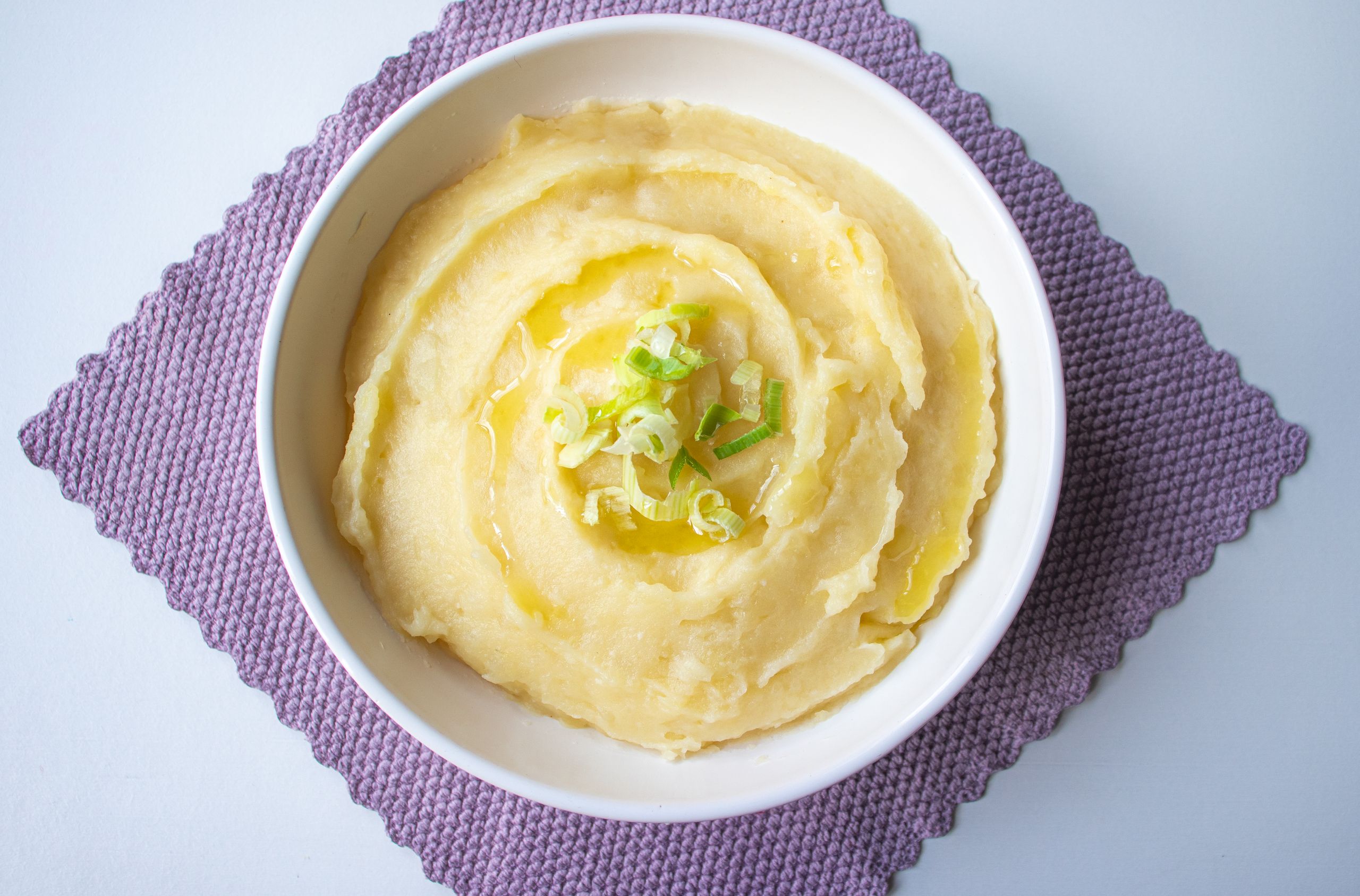
Mashed potatoes sound simple enough: cook some potatoes, add butter and milk, then mash everything together. Yet, getting that smooth, fluffy texture can be surprisingly tricky. Sometimes the potatoes turn watery, gluey, or heavy, leaving you with something closer to paste than the creamy side dish everyone was expecting.
One cooking trick worth trying is roasting your potatoes instead of boiling them. It takes a little longer, but the difference in moisture can give you a richer, fluffier mash without having to rely on extra butter or cream to fix the texture.
Why Boiling Can Make Your Mashed Potatoes Watery
Potatoes naturally contain plenty of moisture, and boiling adds even more water to the cooking process. If the potatoes absorb too much water, they can become difficult to turn into a thick, fluffy mash.
This is particularly noticeable when using starchy varieties such as Russet potatoes. Although they are excellent for mashed potatoes, excess moisture can make the finished dish heavy and less flavorful.
Boiling is not necessarily a mistake, though. The problem often comes from overcooking the potatoes or failing to drain and dry them properly before mashing.
Try Roasting Your Potatoes Instead
Roasting offers a different approach because the potatoes cook without sitting in a pot of water. The dry heat allows moisture to escape while concentrating their natural flavor.
Start by scrubbing your potatoes and piercing their skins several times with a fork. Place them on a baking sheet and roast at 400°F (200°C) for approximately 50 to 60 minutes, depending on their size.
Once they are completely tender, remove them from the oven and allow them to cool just enough to handle. Cut them open and scoop the soft flesh into a bowl, leaving the skins behind.
Add Warm Butter and Milk for a Creamy Finish
The potatoes are only half the story. What you add afterward can determine whether your mash tastes rich and creamy or ends up disappointingly dry.
Warm your butter and milk or cream before adding them to the potatoes. Cold dairy can cool down the mash and make it harder to incorporate everything evenly.
Use a potato ricer or hand masher to combine the ingredients gently. Add the warm dairy gradually until you reach your preferred consistency, then season with salt and black pepper.
Avoid Overmixing If You Want Fluffy Potatoes
One common mashed potato mistake happens after the potatoes are already cooked. It is tempting to keep beating them until every little lump disappears, but too much mixing can produce a sticky, gluey texture.
Potatoes contain starch, and aggressive mixing releases more of it. When that starch becomes excessive, the potatoes can turn stretchy and unpleasantly thick.
A hand masher or potato ricer is a better choice than a food processor or blender. Stop mixing once everything is combined and the texture looks smooth enough.
Which Potatoes Work Best for This Method?
Russet potatoes are an excellent choice because their high starch content helps produce a light, fluffy mash. Yukon Gold potatoes are another popular option, offering a naturally buttery flavor and a creamier texture.
You can even combine the two if you enjoy a balance between fluffy and creamy potatoes. Whichever variety you choose, try to use potatoes of similar sizes so they cook evenly.
Your Mashed Potatoes May Need a Change of Routine
Boiling potatoes is perfectly acceptable, and plenty of excellent mashed potato recipes still use that traditional method. However, roasting is worth trying if you regularly end up with watery or bland results.
The dry cooking method gives you more control over moisture while bringing out the potatoes’ natural flavor. Add warm butter, a little milk, and gentle mashing, and you have the makings of a delicious side dish.
The next time mashed potatoes are on your dinner menu, consider giving the oven a chance. You might find yourself wondering why you always reached for the boiling pot first.